Anne Lamott on ‘Good Writing,’ Her New Book with Husband Neal Allen, and the Quotes That Keep Us Going
If you’ve ever picked up Bird by Bird, you know the feeling. That quiet, knowing laugh that bubbles up when Anne Lamott nails the exact absurdity of being human. For decades, she’s been our patron saint of making progress through imperfections, the one who told us that “shitty first drafts” are the only way through. So when news broke last week that she’s got a new book out—Good Writing, co-authored with her husband, Neal Allen—it felt less like a press release and more like a friend showing up at your door with a bottle of wine and a story to tell.
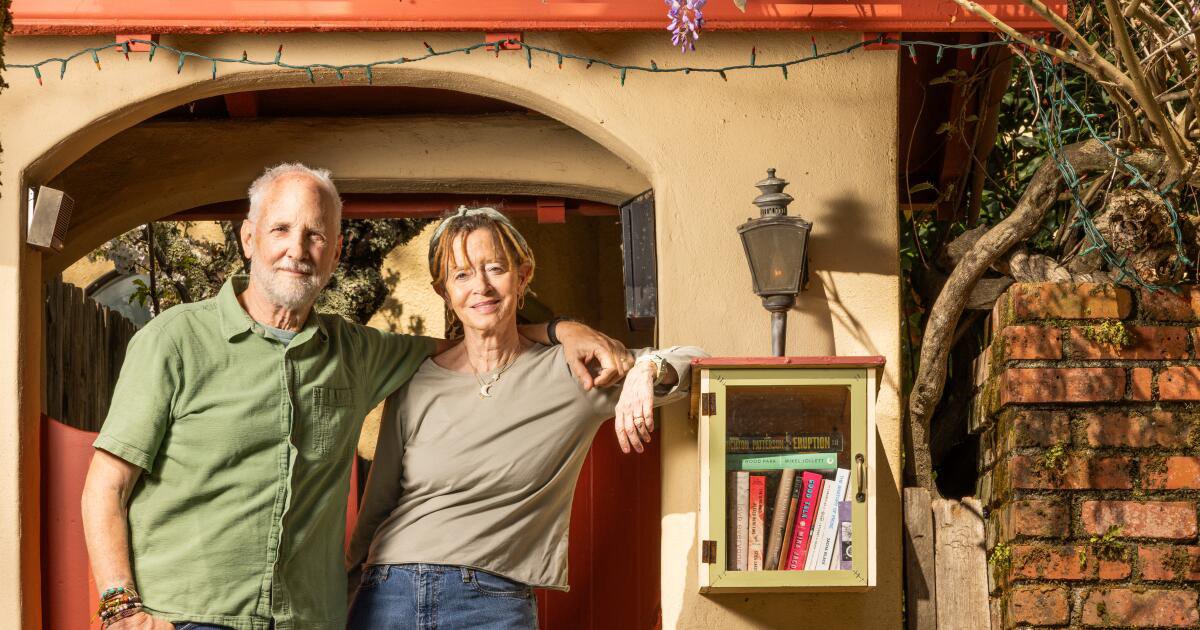
The timing couldn’t be more perfect. We’re all a little frayed, a little desperate for something that feels true. And if there’s one thing Lamott has always trafficked in, it’s truth wrapped in humour. Good Writing isn’t a sequel to Bird by Bird (though fans will find that same familiar warmth), but rather a conversation—literally. The book is structured as a dialogue between her and Allen, exploring what it means to write well, but also, more importantly, what it means to live well. It’s the kind of project that makes you wonder how they didn’t kill each other in the process. But then again, they’ve been married long enough to know that the secret to a good partnership is the same as the secret to a good sentence: knowing when to let things breathe.
I caught up with them in their Bay Area home, where the vibe was less “author interview” and more “kitchen table therapy session.” She was in rare form, which is to say she was exactly as sharp and hilarious as you’d hope.
The Only Writing Advice You’ll Ever Need
“People think writing is about the words,” Lamott said, settling into a worn armchair. “It’s not. It’s about the eyes. How you see. Neal and I, we started this because we realised that all the craft advice in the world doesn’t matter if you’re not looking at the world with radical honesty. And that’s terrifying. Nobody wants to do that.”
The book came together, she explained, during the long, weird stretch of the pandemic. They were both writing—her on a novel, him on essays—and the natural rhythm of their conversations kept circling back to the same question: What actually makes writing good? Not technically proficient. Not commercially viable. But good in the way that makes you feel less alone when you read it.
“It’s funny,” Allen added quietly. “We started out thinking we were writing a craft book. We ended up writing a book about marriage. Or maybe about surrender.”
Lamott laughed. “Surrender. That’s the word. You think you’re going to teach people how to structure a plot, and instead you’re like, ‘Honey, what if you just let go of the need to be right for five minutes?’” She turned to him. “That’s in the book, by the way.”
Operating Instructions for a New Era
For anyone who’s followed Lamott’s career, the idea of “operating instructions” is familiar. Her 1993 classic, Operating Instructions: A Journal of My Son's First Year, remains a gold standard for writing about the trenches of parenthood with zero sentimentality. That book was raw, terrified, and honest about the fact that most of us are just making it up as we go.
“I was a single mum, I was a mess, and I just wrote down what happened,” she said. “I didn’t know I was writing a book. I was just trying to survive. And I think that’s why it still resonates. It’s not a how-to. It’s a how-I.”
Thirty years later, Good Writing feels like a spiritual companion to that earlier work—not about parenting, but about partnership. About the operating instructions for a shared creative life. And if you’re looking for the classic Anne Lamott quotes that’ll stick with you, this book is full of them. The best one, in my opinion? “Good writing is not about the words. It’s about the fear you’re willing to walk through.”
That’s the thing about her. She’s been delivering these lines for decades, but they never feel like Hallmark cards. They feel earned. Like she went into the dark, found something true, and came back to tell you about it.
What She’s Reading (and What’s Next)
When I asked what’s on her nightstand, she didn’t hesitate. “I’m rereading James Baldwin. Always. And I just finished Here One Moment—it’s a novel that came out last year, and it wrecked me in the best way.” She didn’t elaborate, but the look on her face said enough. “You know, you get to a certain age, and you don’t have time for bad writing. You don’t have time for people who aren’t trying to tell you the truth.”
As for what’s next, she shrugged. “I’ve learned not to announce things. The universe laughs when you make plans. But I’m writing. I’m always writing. And I’m trying to be a better human, which is the harder project.”
For those who want to dive in, here’s a quick guide to where to start with her work:
- Bird by Bird – The classic. If you’re a writer (or want to be), start here. It’s the book that gave us the “shitty first draft” concept, which is honestly life-changing.
- Operating Instructions: A Journal of My Son's First Year – For anyone in the thick of early parenthood, or for anyone who wants to remember what it felt like.
- Good Writing (with Neal Allen) – Her latest. Think of it as the next step: how to create when you’re not alone, and how to stay human while you do it.
- Her essay collections – Traveling Mercies, Small Victories, and Dusk, Night, Dawn are all perfect if you want the Anne Lamott quotes in digestible doses.
Before I left, I asked her the question I’d been saving. With all the wisdom she’s collected—all the quotations she’s famous for—what’s the one famous quote she comes back to when things fall apart?
She didn’t hesitate. “My dad used to say, ‘Don’t just do something. Stand there.’” She smiled. “I’ve spent my whole life learning what that means. And I’m still learning.”
Which, if you think about it, might be the most Anne Lamott thing she’s ever said.