Seoul Subway Line 9: The 'Hell Train' Gets a Little More Breathing Room
If you're a seasoned commuter who's lived in Seoul for over a decade, you know the dread of riding Line 9 during morning rush hour. It's the line that perfectly defines the term 'hell train'. The express train from Gimpo Airport to Gangnam, in particular, is an absolute battlefield. There's an old joke that's been around for ages: if you try to read the newspaper on Line 9, you can't tell if you're reading it or the person next to you is reading it over your shoulder.
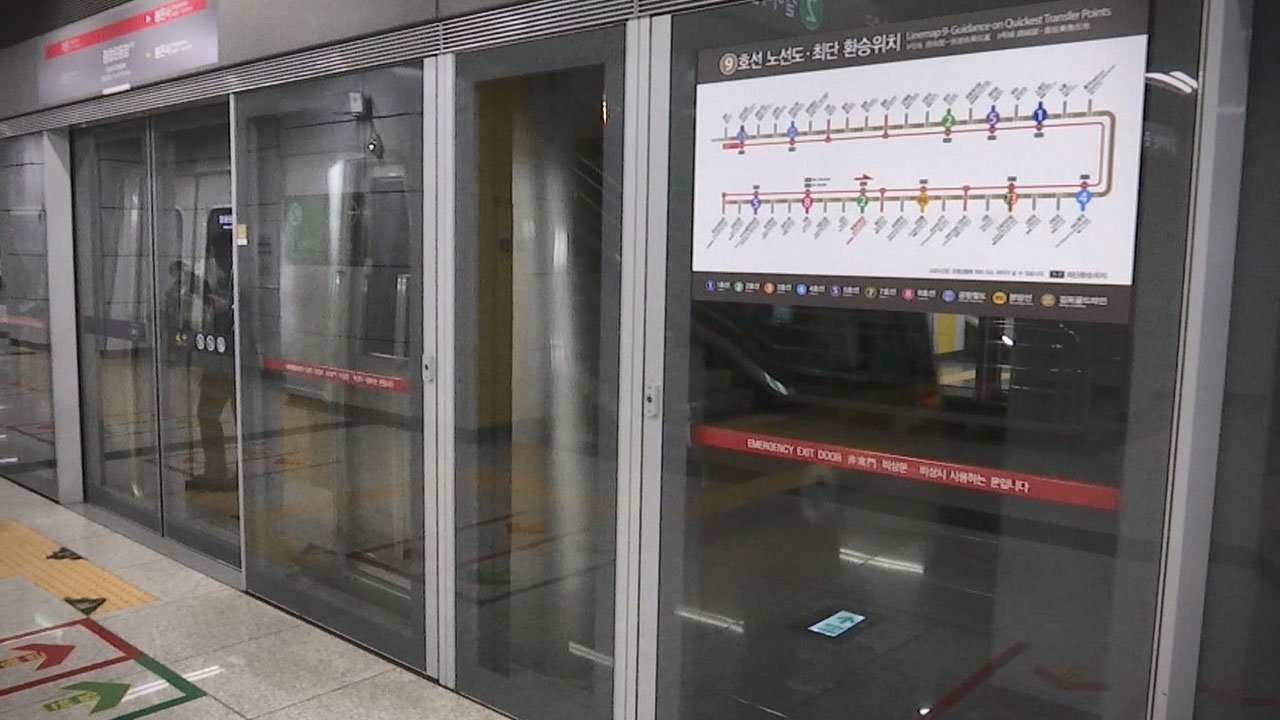
But things are finally starting to ease up a bit. The measures the city has been carefully preparing for years to tackle congestion on Line 9 are beginning to show tangible results this year. It's not just about adding more carriages; they're systematically revamping the entire operation. The days of being squeezed onto a train with barely any room to stand might soon be a thing of the past.
Line 9 Gets Some Breathing Room: Shorter Wait Times
The most noticeable change for commuters is the shorter headway during rush hour. Since March last year, the city has already added three new train sets (18 carriages) during weekday peak times, reducing the gap between trains by 15 seconds to 3 minutes and 10 seconds. You might think 15 seconds is nothing, but anyone who's ever waited on a crowded subway platform during rush hour knows just how precious those 15 seconds are. It means the crowd waiting for the next train can clear out just a little bit faster.
Along with this, the city accelerated its plans and introduced five new train sets (30 carriages) by the end of 2023. As a result, congestion on the worst stretch of Line 9, between Noryangjin and Dongjak stations, has dropped from 199% in November 2023 to 188% in early 2024, and with the addition of new trains, it has now come down to 168%. Of course, 168% is still packed, but there's no denying that the infamous 'hell train', which once peaked at nearly 200% capacity, is finally getting some breathing room.
Further, Faster, More Frequent: The Eastern End of the Line Reaches Gangdong
The changes don't stop there. Right now, the line terminates at Jungangbomung (Veterans) Hospital Station, but if you wait just a little longer, Line 9 will stretch all the way to the far end of Gangdong-gu. The fourth phase extension of Line 9 (from Jungangbomung Hospital Station to Godeok-Gangil District 1) is scheduled to open in 2028.
This section will cover 4.12 kilometres and include four brand new stations. Crucially, it will connect with Godeok Station on Line 5, dramatically improving access to the Gangnam area for residents of Gangdong-gu and Hanam City. Currently, they have to take a bus or a roundabout route via Lines 5 and 8, but after 2028, a single express train on Line 9 will bring Yeouido and Gangnam much closer. It effectively completes the transport network linking new job hubs in Gangdong-gu, like the Godeok Biz Valley and high-tech complex, with the existing city centre. The city is already preparing to add four more new train sets in anticipation of this extension.
Line 9 Congestion Relief Project: By the Numbers
Here's a quick rundown of the improvements Seoul is pushing for on Line 9.
- New Trains: A total of 48 carriages (8 train sets) added by early 2024.
- Shorter Headways: Weekday morning rush hour reduced from 3 minutes 25 seconds to 3 minutes 10 seconds (a 15-second reduction).
- Reduced Congestion: Peak congestion on the busiest section down from 199% (2023) to 168% (2024).
- Phase 4 Extension: Aiming for a 2028 opening, adding 4 new stations from Jungangbomung Hospital to Godeok-Gangil.
- Enhanced Safety: Dedicated safety personnel concentrated at busy express stations like Gimpo Airport, Yeomchang, and Dangsan.
Why Line 9 is No Longer Just 'National Route 9'
Here's a fun fact: South Korea's 'National Route 9' is a highway along the south coast, completely unrelated to Seoul. But in Seoul, if you say 'Line 9', everyone knows exactly which subway line you mean. Just like the Tokyo Metro Chiyoda Line or U.S. Route 9, this line cutting across the heart of Seoul from east to west is incredibly important. The city's current plan isn't just about 'adding more trains'; it's a long-term strategy that looks ahead to the wider regional transport network after the 2028 extension.
For commuters who take Line 9 to work, it seems a slightly more comfortable journey might be on the horizon. While it's not a complete fix, the feeling of being forcibly 'shoved onto' the train is definitely becoming a thing of the past. It's exciting to think that the winds of change, having swept through Jamsil and Gangnam, will soon reach Godeok-Gangil as well.