Rail Chaos in Mainz: When Modernisation Turns into Stagnation – What Commuters and Businesses Need to Know Now
If you're getting off a train at Mainz Hauptbahnhof these days, the main thing you'll need is patience. And steady nerves. Where thousands of commuters and travellers usually go about their daily routines, there's now a state of emergency. Excavators chew through track beds, cranes hover over platforms, and the loudspeaker announcements sound more like riddles than clear travel information. Deutsche Bahn has taken on a mammoth project – and plunged the entire region around Mainz into months of traffic chaos like no other.
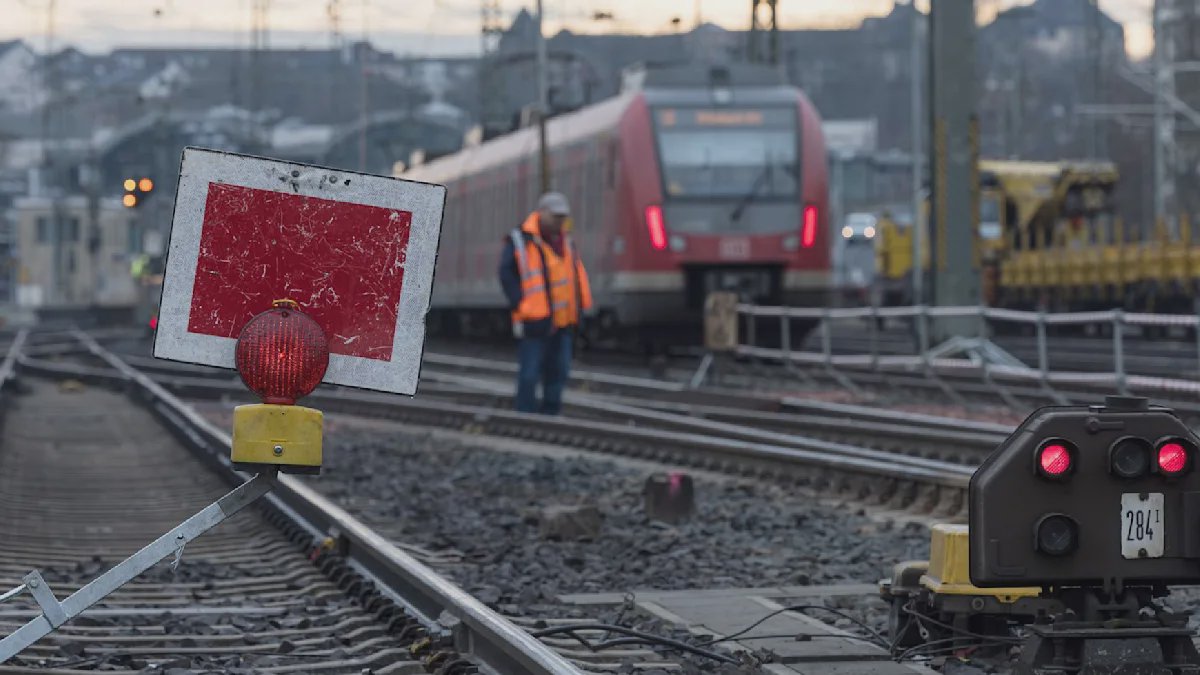
A Bridge as a Bottleneck: What's Actually Closed Since March 6th
Since March 6th, the excavators have been rolling, and they won't disappear again until at least mid-May. The focus: one of the region's most important railway bridges. The consequences are dramatic. Numerous long-distance connections are cancelled or diverted. Regional traffic, the backbone for thousands of commuters, is being massively thinned out. Anyone wanting to travel from Mainz to Wiesbaden, Frankfurt, or the Rhine area must prepare for replacement bus services – an undertaking that, during peak times, tests the patience. Bahn managers talk about "planned restrictions" and "alternative offers." What this means for the passenger is often: double the travel time, triple the uncertainty.
The Real Victims: Commuters and the Regional Economy
The current major construction site is more than an inconvenience. It's an economic factor. Tens of thousands of commuters are affected daily, now getting up earlier, spending longer on their journeys, and returning home more stressed in the evenings. For companies in the Mainz region, accessibility becomes a risk. If you need your employees at their desks promptly at 8 am or rely on just-in-time deliveries, you've got a problem here. The railway as a reliable timekeeper for the economy? In these weeks, that's a pious wish.
It's hitting those who depend on the train station as a central hub particularly hard. Retailers at the main station are reporting sales slumps due to the lack of foot traffic. Restaurateurs are complaining about empty tables. And property prices in the immediate vicinity of the station? They could suffer in the short term from the prolonged noise and dirt – an irony, because long-term the modernisation is supposed to create value.
Outdated Infrastructure: The Bill Coming Due for Years of Underinvestment
But as annoying as the current chaos is – you also have to be fair. What's happening in Mainz is the bill coming due for decades of underinvestment. Our rail network, once a showpiece, has aged. Points, signals, bridges – much of it dates back to the post-war era and isn't designed for today's demands. Deutsche Bahn now has to catch up on what was neglected for years. The problem: renovating existing infrastructure while operations continue is the ultimate logistics challenge. It's like tinkering with a race track while the cars whiz by at 200 km/h. That there are bumps and grinds along the way is unavoidable.
- Long-distance travel: Many ICE and IC connections are cancelled or diverted – leading to sometimes significant delays.
- Regional travel: Numerous lines are suspended or running on a greatly reduced schedule. Replacement bus services are in place, but capacity is limited.
- Freight traffic: The logistics sector is also suffering. Important freight corridors are disrupted, straining supply chains and driving up costs.
Looking Ahead: What Will May 15th Bring?
Officially, the work is supposed to be completed by mid-May. Whether this schedule will hold is something not only seasoned rail observers have quiet doubts about. Construction sites of this magnitude are notorious for unexpected problems – foundations that turn out to be even more dilapidated than thought, or material delivery bottlenecks. What's clear is: even when the excavators leave, it will take weeks for traffic to normalise. And this is just the beginning. Similar major projects are planned nationwide. The railways are becoming a permanent construction zone.
Commercial Side Effects: Who Profits from the Rail Chaos?
As cynical as it sounds: every crisis also has its winners. In the coming weeks, car rental stations at Mainz Hauptbahnhof will boom. City centre car parks might be fuller because more people are switching to cars. Long-distance bus operators are also rubbing their hands – for them, any rail chaos is a welcome advertising gift. Companies offering flexible mobility solutions, such as sharing services or digital platforms for commuters, could gain new customers now. An opportunity for clever start-ups to position themselves in the niche. And for all of us, a reminder of how vulnerable our system is when a single hub like Mainz Hauptbahnhof starts to falter.
So until mid-May, it's a matter of: hang in there, rethink, find alternative routes. Those who can stay flexible now might just keep their cool. And the railway? They have to deliver – not just in Mainz, but across the country. Otherwise, the planned modernisation could quickly turn into a credibility disaster.