The US-Iran Conflict: Why Kharg Island Was Bombed – And What Happens Next
We appear to be entering a new phase in the conflict between the US and Iran. Late on Friday evening, Swedish time, the US launched strikes on the strategically vital oil island of Kharg, situated off Iran's coast in the Persian Gulf. As the smoke still hangs thick over the area, a picture is emerging of a conflict rapidly escalating – with no clear end in sight.
Kharg Island: The Beating Heart of Iran's Oil Industry
President Donald Trump confirmed the attacks himself on Truth Social, stating they had struck "all military targets" on Kharg Island. The island is absolutely central to Iran's economy – around 90% of all Iranian crude oil for export passes through here. Trump was careful to emphasise that they had deliberately chosen not to bomb the oil infrastructure itself, at least not yet. But the threat hangs in the air: if anyone tries to disrupt shipping through the Strait of Hormuz, then "I will immediately reconsider that decision."
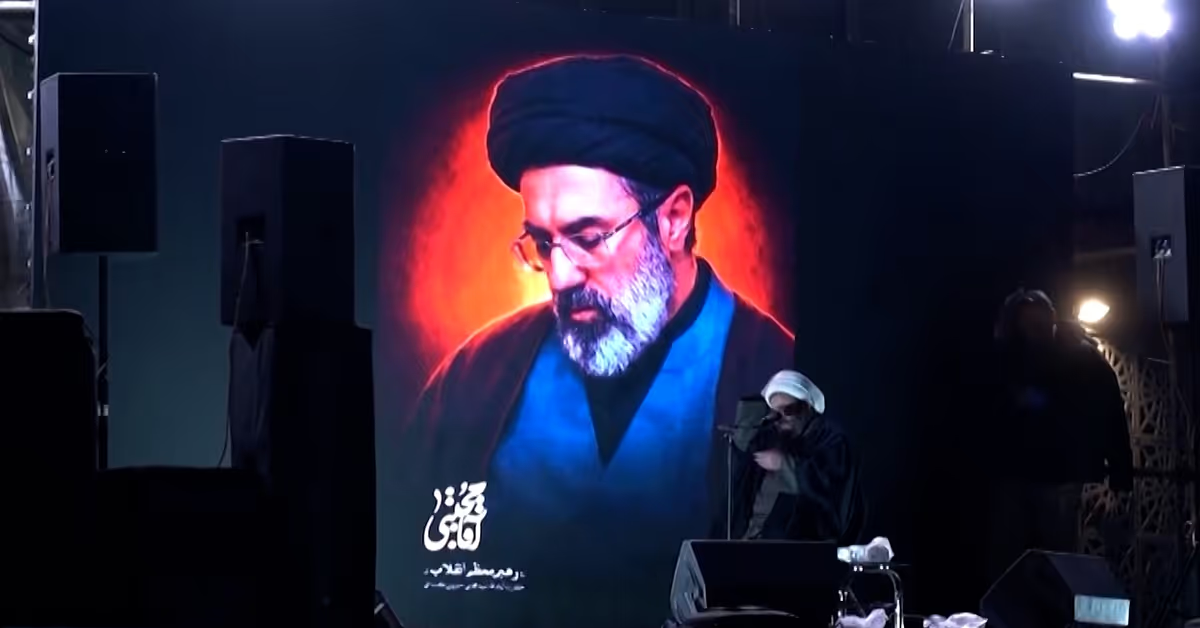
For those of us who have followed the Middle East conflict for years, this is a classic show of force. The US is demonstrating it can strike at the heart of Iran's export revenues at any time. At the same time, it's a delicate balancing act. Iran's Supreme Leader, Ayatollah Khamenei, has been dead since earlier in March, killed in an Israeli-American attack, and the country has promised retaliation. The question isn't if Iran will respond, but how.
The Backstory: From the Twelve-Day War to the Current Stalemate
This isn't an isolated incident. We are at a stage that many experts, not least here at home at the Swedish Defence Research Agency, have long warned about. It all began in earnest in June 2025 with what is already being called the Twelve-Day War. Israel attacked Iran's nuclear technology programme on June 13th, and in the final phase, the US stepped in on Israel's side, bombing three major nuclear facilities, including Fordow, which is embedded in a mountain.
Since then, it's been a low-intensity war with sporadic attacks. But at the end of February this year, the US escalated again. First, they took out Iran's air defence systems, then their missile and drone capabilities. And now, most recently, the attack on Kharg. It's a systematic dismantling of Iran's military power.
How Iran Could Respond – And Why It's Perilous
The immediate threat right now centres on American soldiers and installations in the region. Iran has both the capability and the will to hit back. Consider this:
- The US has around 40,000 troops stationed across the Middle East – everywhere from Iraq and Kuwait to Qatar and Saudi Arabia. All are potential targets.
- The Strait of Hormuz is the chokehold through which a vast portion of the world's oil passes. The oil price is already volatile. If Iran tries to block the strait, or attacks tankers, then we're talking about a global economic shock.
- Allied militias, such as Hezbollah in Lebanon or Shia militias in Iraq, could be activated to strike American targets. Over the weekend, an attack on the US embassy in Baghdad was already reported.
At the same time, Iran is weakened. Their air defence is largely gone, and their capacity to harm Israel with missiles has proven limited – most were shot down by air defences during the Twelve-Day War itself. This leads many analysts to expect an asymmetric response. Perhaps not tomorrow, but further down the line. "When the dust settles, they will resort to the tactics that have served them best over the years: terrorism and asymmetric warfare," as one US expert put it the other day.
What Happens Now? High Politics and Surprising Alliances
Back here in Sweden, both Prime Minister Ulf Kristersson (Moderate Party) and Social Democrat leader Magdalena Andersson are closely following developments. On Sunday's Agenda programme, they both commented on the situation. Kristersson was cautiously open to the US line, despite it stretching international law. "The jury's still out," he said. "That is, if this succeeds, then it might be seen as permissible. If this creates total chaos in the Middle East, then there are major risks involved." Andersson was more critical, arguing that the US should have gone through the UN Security Council.
On the international stage, things are happening. China, which has been Iran's most important ally and biggest oil customer, has so far only issued diplomatic condemnations. No military support has been forthcoming. Some analysts suggest this is precisely what the US aims to achieve. By crippling Iran, they demonstrate to the entire world, not least China's other allies like Cuba or Venezuela, that the superpower in Beijing won't come to their rescue when it really counts. This would allow the US to calmly shift its military focus to the Pacific and the contest with China.
So, the war against Iran is about much more than just a war against Iran. It's a piece on a much larger global chessboard. And as history teaches us, such manoeuvres often have unintended consequences. The only question is what they will be this time around.