Rhoda Roberts AO: The Indigenous Cultural Leader Who Redefined Ceremony in Australia
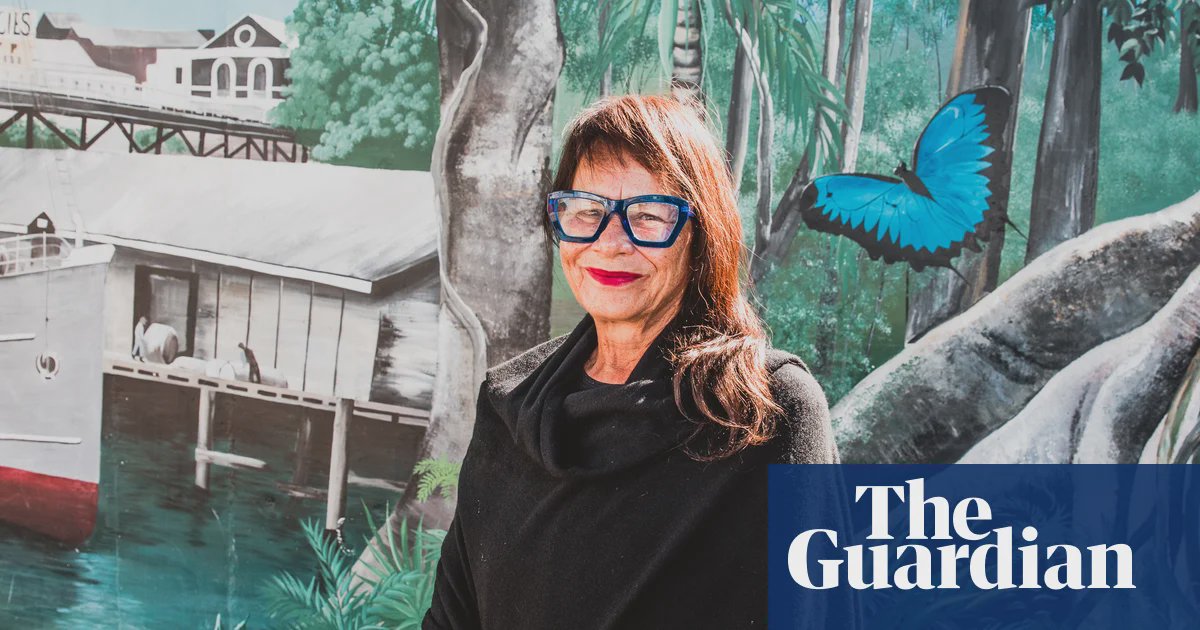
There’s a certain hush that falls over a crowd when a Welcome to Country is delivered just right. It’s more than a mere formality. It’s an ancient protocol, a link stretching back tens of thousands of years to honour the ground we stand on. For millions of Australians, the voice that first made that moment feel like a sacred part of our national life belonged to Rhoda Roberts.
This week, we’re mourning a true pioneer. Rhoda Roberts AO, the Bundjalung woman who gifted this country the language of recognition we now take for granted, has passed away at the age of 66. News came through over the weekend, and while the public tributes are flowing—from the Sydney Opera House to the halls of Parliament—the true measure of her life lies in the quiet moments she orchestrated, the spaces she opened up, and the stubborn, beautiful way she refused to let Australia ignore who was here first.
A Voice That Changed the Nation
If you’ve ever been to a major event in Sydney—the New Year’s Eve celebrations, a sold-out show at the Opera House, or even a corporate gala—you’ve likely encountered her work. Roberts didn’t invent the Welcome to Country, but she was the one who fought to pull it from the margins and plant it firmly in the mainstream. In the late 1990s, when she was head of Indigenous programming at the Sydney Opera House, she pushed to have a Welcome to Country delivered before the annual New Year’s Eve broadcast. It was a radical idea at the time. Some executives baulked, worried it was too political. Roberts, with her characteristic blend of steel and charm, argued it was simply a matter of respect.
She won. And Australia never looked back. Today, it’s unthinkable to open a major public gathering without that acknowledgment. That shift, from a fringe idea to a national standard, is Rhoda’s legacy woven into the everyday fabric of our lives.
More Than a Ceremony: The Cultural Warrior
To reduce her life to just that one achievement, though, would be to miss the forest for the trees. Rhoda Roberts was a cultural powerhouse long before that phrase entered the average Aussie’s vocabulary. She was a journalist, an artistic director, a festival curator, and a fierce advocate for First Nations storytelling. Her reach was extraordinary:
- Artistic Direction: She helmed Bangarra Dance Theatre as its artistic director in the 1990s, helping to shape it into the internationally renowned company it is today.
- Festival Curation: For 24 years, she curated Boomanulla Oval and later the Dreaming Festival, creating a vast, vibrant platform for Indigenous arts that drew crowds from every corner of the country.
- Media Prowess: She was a trailblazer in broadcasting, becoming one of the first Aboriginal women to host a national current affairs programme, ensuring Indigenous perspectives were heard in mainstream living rooms.
She was a connector, too. Roberts had this uncanny ability to walk into a room of suits and elders, artists and politicians, and make them feel like they were all working towards the same goal. She was never interested in just being a voice; she wanted to build the table so others could have a seat at it.
The Colorado Wild Flowers and a Life in Bloom
It’s funny—when I heard she’d passed, my mind immediately went to a story a mate told me years ago about her love of Colorado wild flowers. She’d apparently travelled there once and was struck by how the meadows, seemingly barren, would erupt in colour after a rain. She saw it as a metaphor for cultural revival. You plant the seeds, you tend the soil, and one day, when the conditions are right, the flowers bloom. And mate, did she ever plant a garden here.
That resilience was part of her story from the start. Growing up in Lismore as a Bundjalung woman in the 60s and 70s, she faced the kind of institutional and casual racism that would break most people. Instead, she turned it into fuel. She left school early, worked as a jackaroo, and eventually found her way to Sydney, where she began carving out a space that didn’t exist for people like her. She didn’t ask for permission; she just created it.
A Legacy Etched in the Soil
The tributes this week have been fitting. Her family has asked for privacy, sharing that she passed away peacefully, surrounded by loved ones, after a long illness. For a woman who spent her life giving public voice to culture, there’s a certain rightness in that her final moments were quiet, private, and held by community.
Looking back, it’s hard to imagine modern Australia without Rhoda Roberts’ fingerprints on it. She taught us that acknowledgment isn’t just a sentence you rattle off before a footy game. It’s a profound act of respect that recognises the 65,000 years of history that came before the harbour bridge was ever a gleam in an engineer’s eye. She made that bridge—the cultural one—stronger.
So here’s to Rhoda. A warrior, a storyteller, a gardener who planted seeds in the toughest soil and watched them bloom across the nation. The flowers are everywhere now, mate. And we’ll keep watering them.