FTSE 100 wavers as oil surges past $100 amid Middle East conflict and political turmoil
It’s been one of those Mondays where you need a strong coffee just to keep up with the ticker. The FTSE 100 staged a rather resilient performance, closing up 0.2% at 10,386.23 after flirting with the red for much of the session. But to call this a quiet day would be a stretch. We’re seeing a classic tale of two markets playing out right now, driven by a toxic cocktail of geopolitics and domestic political drama.
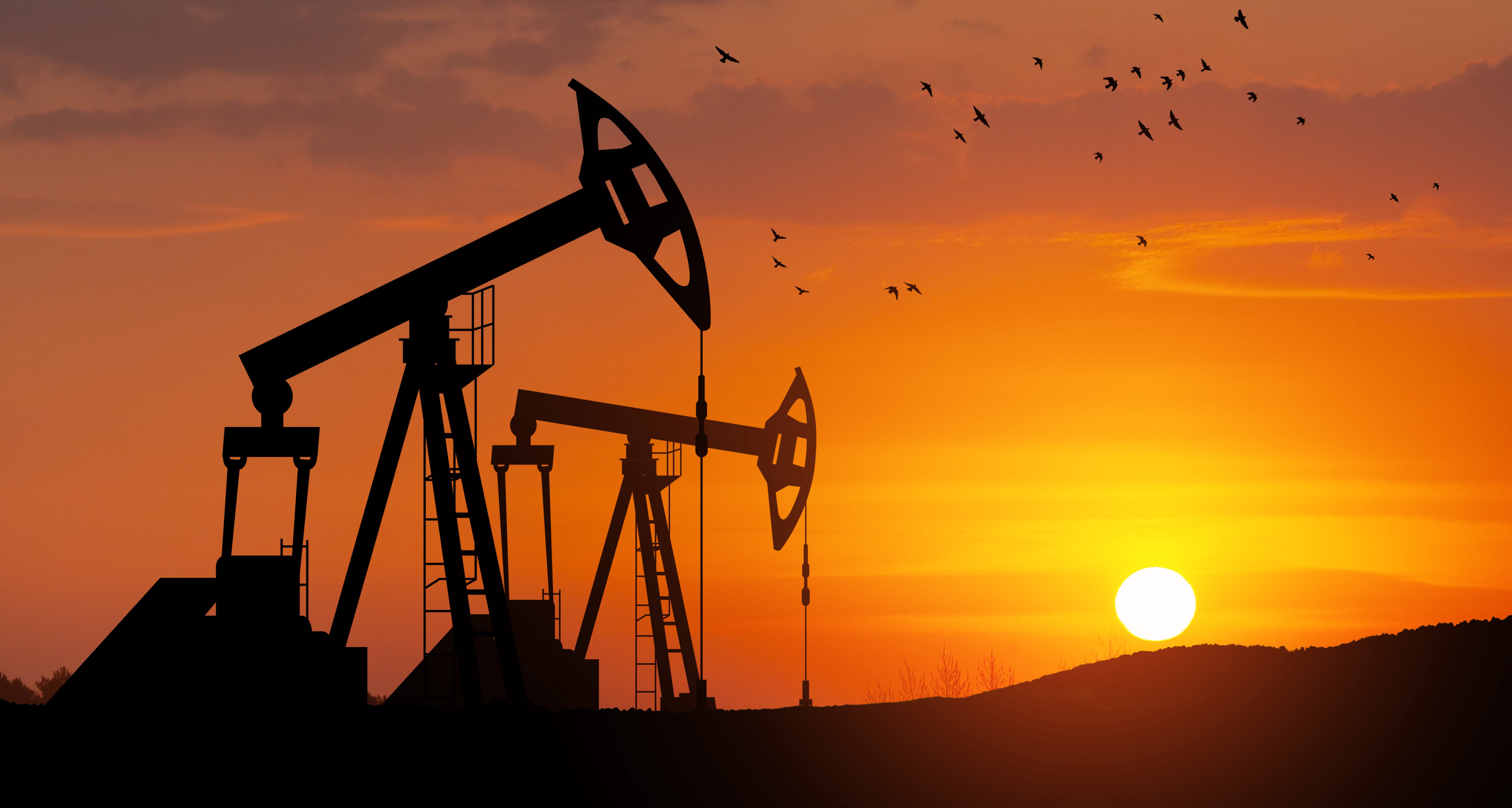
The big story, of course, is oil. Brent crude has smashed through the $100 barrier, hitting $108 a barrel in early trade and marking its biggest single-day jump in years. The reason? All hell is breaking loose in the Middle East. The US-Israeli strikes on Iran, the subsequent appointment of Ayatollah Mojtaba Khamenei as the new Supreme Leader, and the effective closure of the Strait of Hormuz to tanker traffic have spooked the market like nothing else since the Ukraine invasion. About a fifth of the world's oil flows through that strait. When that tap gets turned off, the whole world feels the squeeze.
For the FTSE 100 Index, this energy shock is a mixed bag. On one hand, our heavyweight oil majors are having a field day. BP and Shell were both firmly in the black, riding the wave of surging crude prices. It’s a similar story for the miners, with Fresnillo and Endeavour shining brightly as investors flock to gold and silver as safe havens. These heavy lifters are basically why the index managed to cling onto positive territory.
On the flip side, it’s carnage for the sectors that actually have to pay for all that fuel. Airlines and travel stocks are getting absolutely hammered. You don't need to be a genius to figure out that British Airways parent IAG and engine-maker Rolls-Royce are in for a bumpy ride when jet fuel costs go parabolic. Banking stocks like Barclays and NatWest are also under pressure, with the latter sliding 9% after announcing a £2.7bn deal to buy wealth manager Evelyn Partners. It’s a classic risk-off move.
A political premium
As if the firestorm in the Gulf wasn't enough, we’ve got our own little domestic drama unfolding in Westminster. The pressure is mounting on the Prime Minister. Anas Sarwar has called for Keir Starmer to resign over the Peter Mandelson fallout, and with his own director of communications and chief of staff both gone, the whiff of instability is back in the air.
One veteran City trader put it to me this morning: a "political risk premium" is once again being baked into UK asset prices. The market hates uncertainty, and with whispers about leadership and the inevitable economic impact of a protracted war, the FTSE 100 is having to digest a lot. Sterling is feeling the heat too, sliding lower against the dollar as traders price in the chaos.
The immediate outlook feels binary. It all hinges on how long this conflict drags on. As one strategist noted, with Iran appointing a hardline new leader, they don't look like they're about to blink. That means we could be looking at elevated oil prices for weeks, if not months.
- The winners: Energy majors (BP, Shell), precious metals miners (Fresnillo), defence contractors (BAE Systems).
- The losers: Airlines (IAG, easyJet), banks (Barclays, NatWest), consumer-facing stocks vulnerable to a cost-of-living squeeze.
We've seen this script before. The FTSE 100 had been on a record-breaking run, smashing through 10,800 just a couple of weeks ago and notching its best start to a year in decades. That momentum has been brutally halted. For the average punter filling up their car this morning, the spike in oil isn't just a line on a screen—it's another £500 hit to the household budget, according to well-placed sources. The Prime Minister says supporting working people is "always top of my mind," but with the government's hands seemingly tied, it's going to be a long, expensive spring.