The 'A' List: How Apple, Amazon, and Co. Are Facing the Trump Economy Challenge
In the financial markets, one letter carries more weight than many full words: 'A'. Not just because it's the first in the alphabet, but because it groups together some of the heaviest hitters in tech and consumer goods. We're talking about Apple, Amazon, Airbnb, and, though many may have forgotten it, Altaba, the remnant of what was once Yahoo. These four titans, all starting with 'A', are currently facing a storm blowing in from Washington that has a clear name: the Trump economy, with its mix of tariffs, public sector job cuts, and the kind of war rhetoric surfacing in the Middle East.
The Mirage of Macro Data
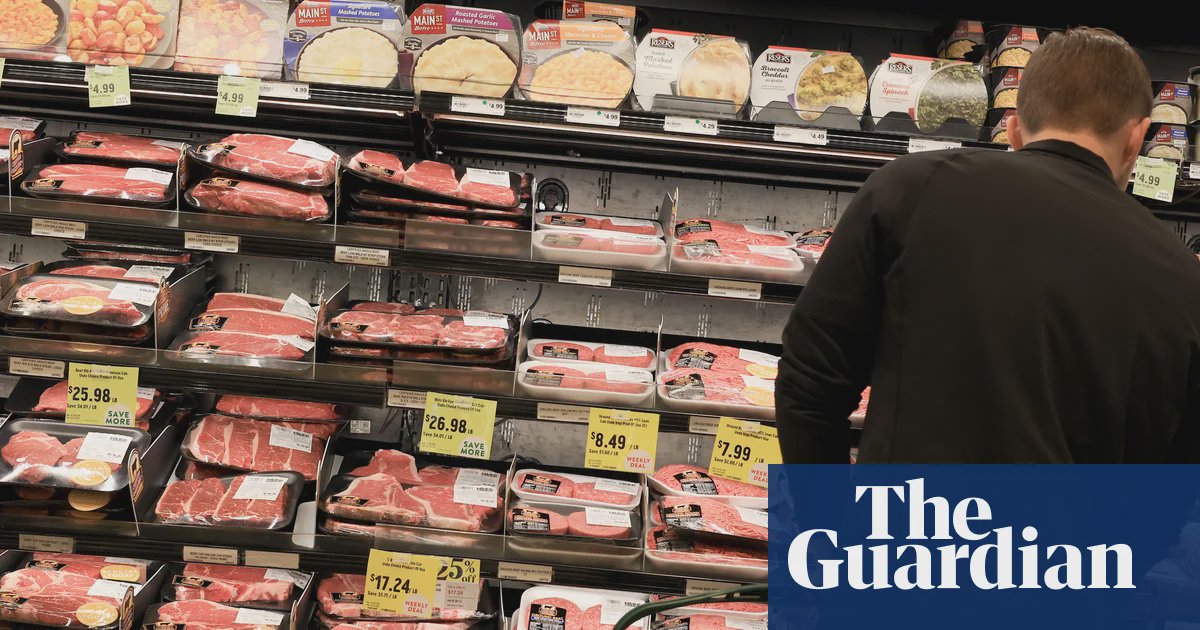
In the corridors of the Treasury, they insist the economic engine is firing on all cylinders. Growth, job creation, rising markets... the aggregate figures are picture-perfect. But just step out onto the streets of any Midwestern city, or even in humble neighbourhoods of New York, and you realise that the story the charts tell isn't the one families are living. Affordability has become the dirty word. Wages, even if official reports show them rising, just aren't enough to cover the rent, the groceries, and the electricity bill. And this gap between the macro and the micro economy is precisely the terrain where the big tech companies are starting to slip up.
Apple: The Apple and Inflation
For Apple, the current climate is a real head-scratcher. Their latest iPhones are marvels of engineering, but they're also little gems with four-figure price tags that demand a significant extra outlay from the middle class. In an environment where households are tightening their belts, the phone upgrade cycle gets longer. What's more, the threat of new tariffs on products made in China (even if some production has already been diversified) looms large. And as if that weren't enough, a potential escalation with Iran would send oil prices soaring, making logistics more expensive and, once again, hitting the consumer's wallet. From conversations with people in the firm, I know that in Cupertino they're watching the next services results like a hawk, hoping to offset the slowdown in hardware turnover.
Amazon: The Logistics Giant Up Against It
The case of Amazon is a classic example. On one hand, the e-commerce platform usually benefits from people hunting for low prices; when times are tight, consumers compare and end up buying online. But on the other hand, their retail margins are razor-thin, and any increase in transport or storage costs (like those infamous tariffs and more expensive fuel) directly hits the bottom line. Plus, its cloud division, AWS, that cash cow of profits, is starting to feel the pinch as companies cut back on digital infrastructure spending due to uncertainty. The mass layoffs Amazon carried out last year were just the first warning sign; now they have to manage slower growth and shareholders who don't forgive easily.
Airbnb: A Shelter for the Budget-Conscious Traveller?
When the economy takes a turn for the worse, holidays are the first thing to go. Airbnb knows this well. During the pandemic, it was the king of alternative accommodation, but now inflation and the loss of spending power mean many people think twice before booking that weekend at the beach. Shorter stays, trips closer to home, and competition from hotels, which have become more flexible on pricing, are all putting pressure on the platform. And all this amid increasing regulatory scrutiny in cities like New York or Barcelona, precisely when the average host needs more income to pay their mortgage. Airbnb's 'A' is shining a little less brightly in this landscape.
Altaba: The Ghost of the Dot-com Era
Perhaps the most curious case is Altaba. For those who don't remember, it's the empty shell left behind after the sale of Yahoo's core business. For years, its main assets were stakes in Alibaba and Yahoo Japan, but it has been liquidating them. Today, it's a sort of dissolving investment fund, a relic that's still traded and serves as a barometer of how the market values the legacy of the first internet era. With the current volatility and investors fleeing to safe havens, Altaba represents that forgotten 'A', the past that won't return, but which is also suffering from the turbulence of the present. Its share price reflects the scepticism surrounding mature tech companies and the lack of major catalysts.
What's Next: Tariffs, Jobs, and Oil
In the coming months, these four 'A' names will have to navigate between three major threats:
- Tariffs: Trump's protectionist policies show no signs of letting up and are making global supply chains more expensive.
- Public Sector Jobs: Cuts in government administration (the famous layoffs everyone in Washington is talking about) are reducing the fixed incomes of many families who previously spent on tech and travel.
- Geopolitics: An escalation with Iran would send oil prices through the roof, with knock-on effects on inflation and consumption.
Meanwhile, the Federal Reserve is keeping interest rates high, making financing more expensive for both these companies and their customers. It's not an easy scenario. And the most paradoxical thing is that, in macro terms, the US continues to show growth figures. But as we know, the official photo and the one in your wallet can be two very different things. The market's 'A-listers' are starting to feel it in their bottom lines. We'll see if they can weather the storm, or if it sweeps one of them away.