Deepwater Horizon Blowout: 15 Years Later, BP is Set to Drill Again in the Gulf of Mexico
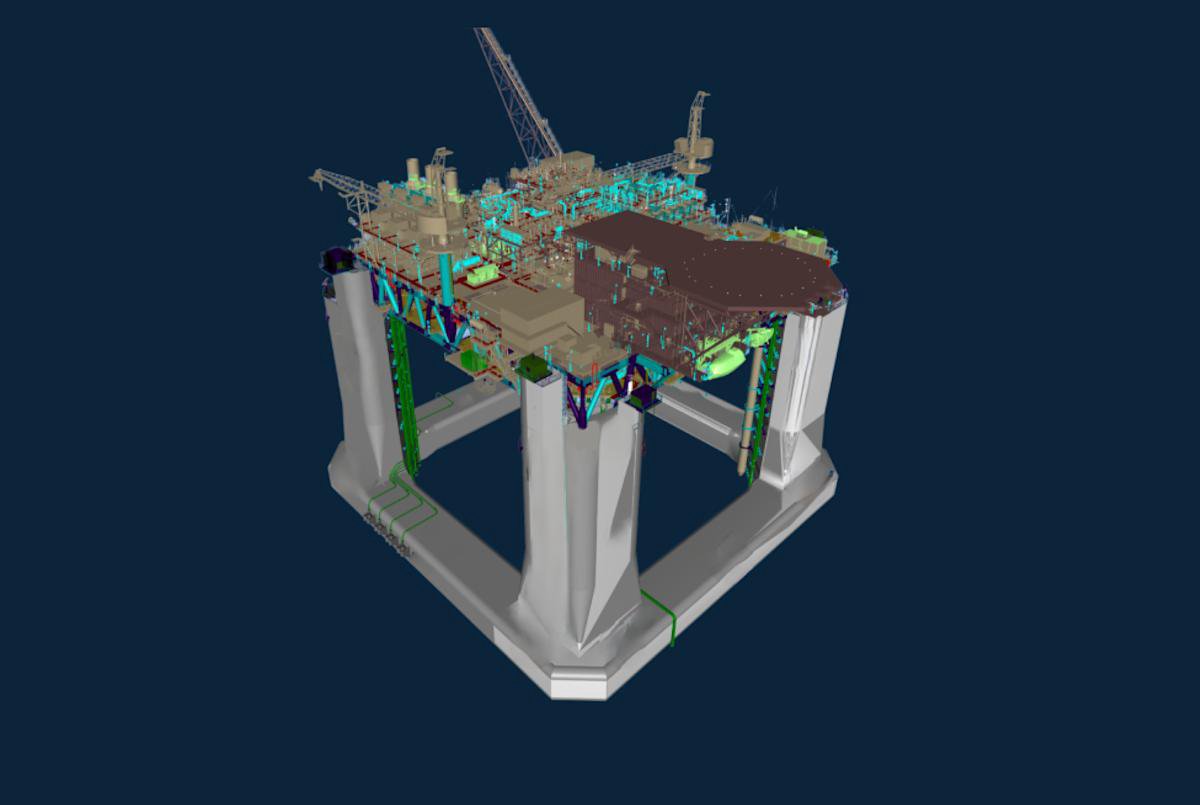
It's been exactly 15 years since the Deepwater Horizon disaster shook the world. Eleven people lost their lives, and over 700 million litres of oil gushed into the Gulf of Mexico over 87 days. At the time, the oil industry vowed to do better. Stricter safety rules, new technology, and a promise that nothing like this would ever happen again. But now, a decade and a half later, we're seeing the outlines of a new era: BP has received the green light for its first major new deepwater development project in the Gulf since the catastrophe. The Kaskida field is becoming a reality, and at the same time, political winds in Washington are breathing new life into offshore drilling.
Political Green Light and a New Venture
Last week came the news many in the industry had been waiting for: a go-ahead for expanded exploration in the Gulf of Mexico. According to sources close to the administration, this means BP can finally move forward with developing the Kaskida field, a massive reserve that has been on the drawing board for years. This is the first time in 16 years that a major British company is starting a completely new project in U.S. waters. Kaskida is located in water depths of around 1,800 metres and is scheduled to come online in 2029. For BP, it's a strategic milestone – a recognition that the Gulf of Mexico remains the heart of the company's deepwater portfolio.
The Safety Revolution That Never Came?
After the Deepwater Horizon blowout, a series of measures were introduced: better well control, independent certifications, and requirements for backup equipment. Still, several internal reports have shown that the risk of another major accident hasn't been significantly reduced. Many of the same weaknesses still exist – particularly when it comes to emergency preparedness and the resources of regulatory authorities. Now that restrictions from the Obama era are being lifted, environmentalists fear we're on the verge of a new oil fever where safety takes a backseat to production.
- 11 dead – the direct victims of the explosion on April 20, 2010.
- 4.9 million barrels of oil – the official amount that leaked, according to court rulings.
- Over $18 billion USD – BP's total settlement for the disaster, including fines and cleanup costs.
- 1,600 kilometres of coastline – were affected by the oil spill from Louisiana to Florida.
Kaskida – A Symbol of Continuity or Arrogance?
The Kaskida field isn't just any project. It's a so-called paleogene reservoir that requires extremely high pressure and temperature for extraction. It was precisely these kinds of challenging formations that contributed to the accident in 2010. Now, BP believes the technology is mature enough. The company has already invested billions in research on high-pressure safety and plans to use Kaskida as a testing ground for future deepwater projects. At the same time, it's hard to ignore the symbolism: the first major new build after the Deepwater Horizon disaster is geographically close to the accident site and shares many of the same technical challenges.
The Film That Reminds Us
For the public, the disaster lives on through Peter Berg's film Deepwater Horizon, starring Mark Wahlberg. The movie, released on Blu-ray in 2016, depicts the final hours before the explosion and the crew's desperate fight for survival. For many, it was a wake-up call: This wasn't just an accident; it was a man-made catastrophe built on poor decisions and neglected maintenance. Now, as BP ramps up activity again, the film serves as a reminder of the cost of compromising safety.
What Does This Mean for Canada?
Canada has always kept a close eye on developments in the Gulf of Mexico. Companies like Equinor and Canadian suppliers operate in the region, and safety regimes on the East Coast were partially reformed after Deepwater Horizon. But the pressure for increased extraction is just as strong here at home. The pillars of Canadian offshore oil operations – thoroughness, transparency, and independent oversight – are constantly tested when profitability and climate goals collide. If BP succeeds with Kaskida without serious incidents, it could lend legitimacy to a new wave of deepwater projects worldwide. If they fail, Deepwater Horizon will never be history – only a prelude.
While politicians in Washington and executives in London celebrate new permits, it's still too early to say whether oil workers on rigs today are safer than they were on April 20, 2010. The only thing we know for sure is that the sea hasn't forgotten.