Reiko Katsuragi: 60 Years of Miracles Voicing "Sazae-san's" Ikura-chan – A Journey with Her Partner, Kikuo Kanauchi
The other day, over drinks with an editor, the conversation turned to how there seem to be fewer actors these days with truly resonant voices. You know the ones – their voices carry a warmth, a sense you can almost feel their breath through the screen. Quietly, these bearers of such voices are stepping back from the limelight. Amidst this reflection, the voice of Reiko Katsuragi suddenly came to mind. Yes, that adorable voice of Ikura-chan from "Sazae-san" we've all grown up with, declaring "Boku, Ikura!" But more than that, it's the "timeless power" of that voice that I find myself wanting to consider anew.
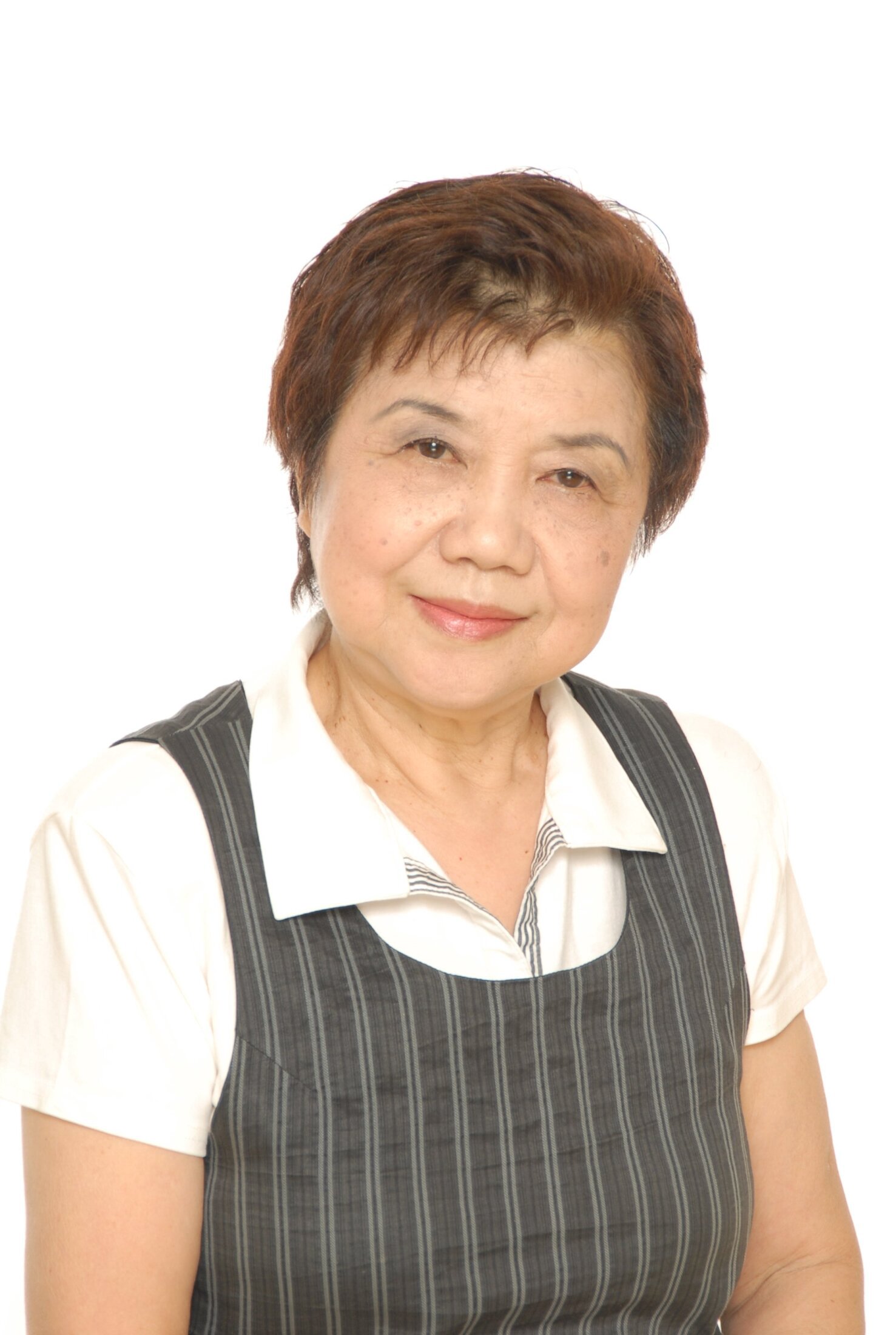
Achieving the Realm of the "Unconscious"
Words spoken by Reiko Katsuragi on an interview programme aired last month are still creating quiet ripples within the industry. She shared that throughout her nearly 60-year career, the most important thing she's valued in her performances is "not overthinking it." The more she tried to delve deep into a role, the more unnatural it became. Instead, she finds that when she stops thinking and simply surrenders to the "world" of the character, her movements become natural and fluid.
She gave an example from recent years, revealing that the more she tried to recall her past performances when taking on the role of Rika-chan, which she played for many years in "Sazae-san," the more that feeling eluded her. This perfectly symbolises her philosophy of acting. From an analyst's perspective, it's evidence that through decades of experience, she has achieved a perfect balance between the conscious and unconscious mind. It's less a "technique" and more a "state of being."
The Presence of Kikuo Kanauchi: Husband and Comrade
Any discussion of her career must include her husband, the actor Kikuo Kanauchi. When he passed away in 2020, he left behind a legacy of powerful stage presence, primarily with the Bungakuza theatre company, while also etching himself into our memories as a quintessential character actor in numerous films and dramas.
Their relationship was more than just a marriage; they were truly "artistic partners." They began their careers together in the radio theatre troupe of Fukuoka's local KBC (Kyushu Asahi Broadcasting) station, and at one point even hosted a radio programme under the joint pen name "Reiko Shiratori." A cherished anecdote that perfectly captures their bond tells of how, when later invited to join Bungakuza by Kashiro Akutagawa, Kanauchi encouraged her, saying, "Why don't you audition too?" leading them to take the exam together.
- Reiko Katsuragi's legal name is Reiko Kanauchi. The bond with Kikuo Kanauchi was always foundational to her identity.
- The carefree innocence she brought to Ikura-chan likely stemmed from having a comrade at home who, while navigating the demanding world of stage acting alongside her, also helped elevate each other's artistry.
- Her late admission that "for a while after caring for my husband until the end, I couldn't immerse myself in a role" speaks volumes about the depth of their connection.
More Than Just "Ikura-chan": A Monumental Career
While Reiko Katsuragi is overwhelmingly associated with "Sazae-san" in the public eye, for those of us in the industry, she is far more than that role. Throughout the 1960s and 70s, she voiced lead characters in numerous classic anime.
A particularly notable role is Omotchama from the legendary Tatsunoko Production's iconic "Time Bokan" series. His voice, always mechanically detached yet strangely endearing as he accompanied the Doronbo gang, could only have been brought to life by Reiko Katsuragi. That tone, blurring the line between machine and human, left a powerful impression on children of the time and still enjoys cult status among dedicated fans in their 40s and 50s today. Furthermore, the "girl's voices" she created – like Sayo-chan in "Ikkyū-san" or Aloa in "A Dog of Flanders" – set a benchmark for the voice acting industry that followed.
The Market Value of a "Showa Era Voice" in Danger of Fading
Now, let's look at this phenomenon from a slightly more business-oriented perspective. In recent years, the trend of nostalgically consuming anime and tokusatsu from the Showa to early Heisei periods has become a reliable revenue stream in the entertainment market. Streaming platforms like Amazon Prime Video and Netflix have found that offering such "retro anime" acts as a powerful magnet for specific demographics.
Within this context, the value of a living legend like Reiko Katsuragi transcends mere content. Her voice itself is a unique asset that physically embodies abstract brand values like "trustworthiness" and "warmth." For instance, there's huge potential for her voice to be used in narrations for commercials by food manufacturers "preserving traditional methods" or housing companies focusing on "family togetherness," both of which are on the rise. Her past work as the voice of the baby kangaroo in Nissan's "Notte Kangaroo" commercials was a perfect example of linking approachability with product safety.
Marketing professionals would do well to more seriously analyse the data behind the "transgenerational sense of comfort" her voice provides. It's not just simple nostalgia; content that overlays the "idealised Showa-era family" onto the diverse family structures of today holds the potential to command premium advertising rates.
In Conclusion: To the Eternal Ikura-chan
Having lost her beloved husband and artistic comrade, Kikuo Kanauchi, in 2020, and now herself in her 80s, her voice shows no signs of fading. If anything, I can't help but feel that the life experience and nuanced understanding she has gained have only deepened the "pure innocence" imbued in Ikura-chan's voice.
We are, right now, witnessing living history – the history of Showa and Heisei era voice acting. As long as her voice continues to emanate from our televisions, that warm Showa-era atmosphere will persist in our Reiwa-era living rooms. And within that, there lies significant business opportunity, as well as a touchstone for our hearts.