Tegut’s Demise in Germany: How Migros Sealed the Fate of its €600 Million Debacle
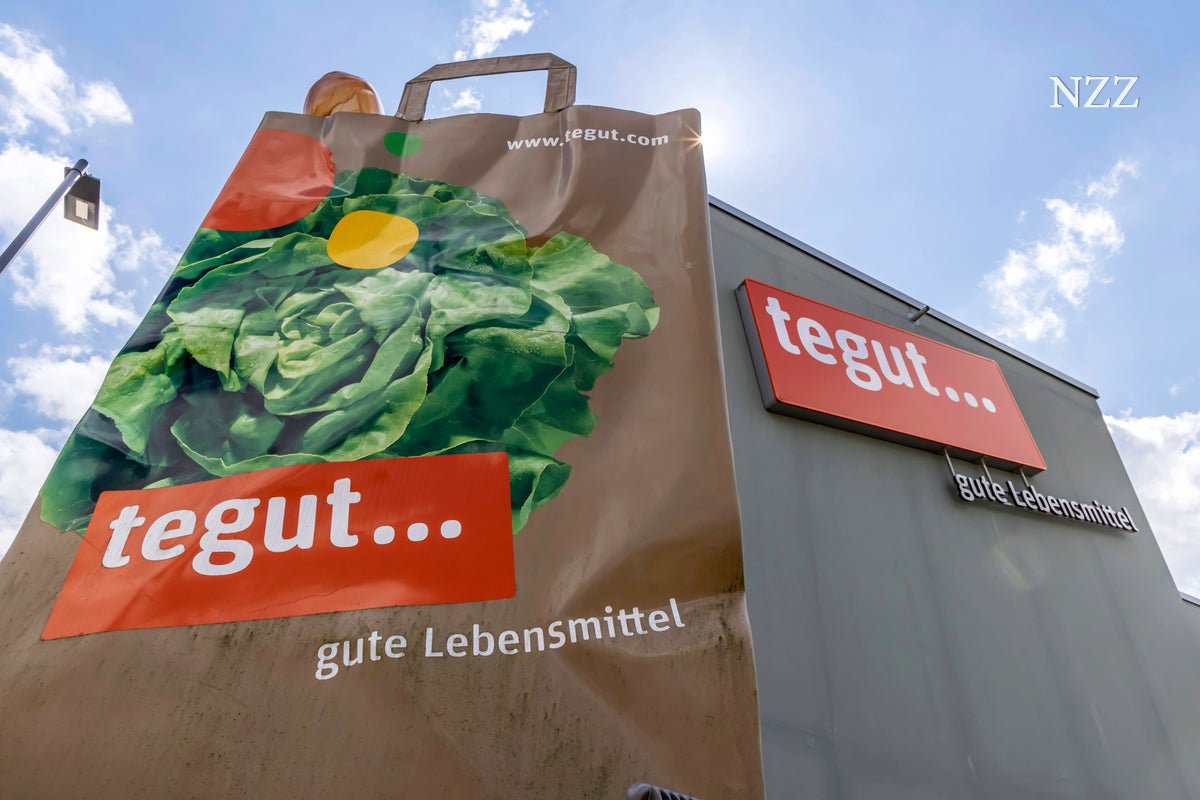
It’s official: the orange giant is completely pulling out of Germany. After years of struggling, Migros is selling its subsidiary Tegut to German rival Edeka. While it might sound like a standard transaction, this is actually the end of one of the most expensive ventures in Swiss business history. We’re talking about a loss that’s truly substantial: the debacle cost a whopping €600 million. It’s a fiasco that won’t be forgotten anytime soon at the headquarters on the Limmat.
A Billion-Dollar Hole in the Heart of Germany
Remember when Migros, with its green cross, proudly expanded into Germany? Back in 2013, they acquired the organic specialist Tegut, paying a hefty price. The idea was simple: combine their know-how with Tegut's strong foothold in the organic market and really make a go of it together. But the plan just didn't pan out. The market is fiercely competitive, and German shoppers are loyal—but not to Migros. They were in the red for years, with the healthy profits from Switzerland having to plug the hole in Hesse. It was a sinking ship, and the Zurich-based retailer has finally decided to abandon it.
What’s Next for the Stores?
For the roughly 300 Tegut locations, the deal means an uncertain future under a new banner. Edeka, the industry giant, is taking the helm. This will have tangible consequences, including for stores some of us might know from travels:
- Tegut... gute Lebensmittel Perlach: This store in the Munich suburbs will likely soon be flying the green Edeka flag. The big question for regulars in Perlach now is whether the organic selection will remain as extensive.
- Tegut... gute Lebensmittel Triebstraße: This downtown Kassel store on Triebstraße is also affected by the takeover. For the employees there, a period of uncertainty begins—will they keep their jobs? What will happen to their contracts?
The big unknown is the brand's identity. Tegut was always a bit different: heavy on organic, rooted in Hesse, with a certain charm. Edeka is more of a sharp-elbowed, efficient giant. Will the soul of the brand survive on the shelves? I’d venture a guess: probably not.
The Price of Failure
Let's stick with the cold, hard numbers for a moment. A €600 million loss—that’s no small change. It's more than some Swiss SMEs generate in annual revenue. Just imagine what could have been done with that money: investments in digitalization, expanding stores in Switzerland, or even a nice dividend for cooperative members. Instead, it was burned in a hopeless battle for market share in the German countryside. Migros leadership, under President Andrea Broggini and CEO Mario Irminger, is now clearing the decks—a tough but necessary move. They're refocusing on their core business, on Switzerland. It hurts, but it's the only right decision after years of struggling.
An Obituary for the Swiss Dream in Germany
For those of us watching, it's a real lesson in the perils of expansion. Not every brand works everywhere. In Switzerland, Migros is a cultural institution, a piece of home. In Germany, it's just another foreign supermarket operator. The attempt to build an organic oasis with Tegut in a sea of discounters has failed spectacularly. Now they're pulling the plug, and Edeka is picking up the pieces. It's the end of an era that never really got started. A costly experiment that proved one thing: the orange doesn't taste the same everywhere, after all.