FTSE 100 Futures Point Slightly Higher as Traders Weigh Geopolitical Worries Against Rate Cut Hopes
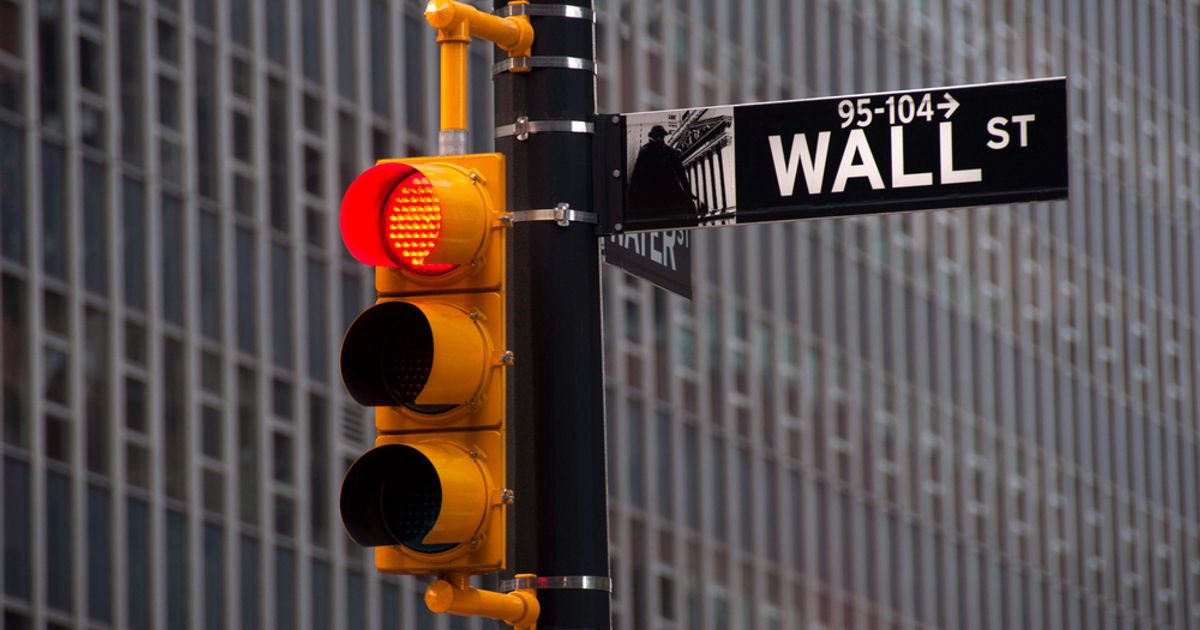
It's been a classic case of "risk-on, risk-off" to kick off the trading week. If you've been watching the FTSE 100 futures market this morning, you'll have seen that tug-of-war in real-time. We're looking at a slightly firmer open, but it's tentative. Everyone's got one eye on the escalating situation in the Middle East—now dragging on—and the other on what central banks, particularly our own Bank of England, are going to do next with interest rates.
The move to a fully electronic trading system years ago over at Liffe was supposed to make this all more efficient, and it has. You can see the reaction times in the futures contract are lightning quick compared to the old open-outcry days. But what it hasn't done is iron out the human element of fear and greed. This morning, the algorithms are screaming in different directions. The geopolitical noise, specifically the lingering Iran conflict and the chatter about potential oil tariffs from across the Atlantic, is pushing one way. But the whisper that we might actually be closer to the peak on base rates is pulling us back the other.
The Interest Rate Conundrum and Market Memory
Looking back at how the market has historically reacted, it's a stark reminder that while the headlines scream about war and peace, the slow, grinding reality of monetary policy is what ultimately sets the long-term trend. The knee-jerk reaction to a rate hike is often a dip, but the subsequent price action depends entirely on the 'why'. If the BoE is raising rates to choke off genuine, demand-led inflation, the futures market sells off and stays off. If it's a hike to combat imported inflation—say, from a spike in oil prices caused by a tanker getting stopped in the Strait of Hormuz—the maths gets more complicated.
You see this in the way asset returns move together, or fail to. The usual simplified models often fall apart in weeks like this. Typically, you'd expect commodities to go up and equities to go down when geopolitical risk spikes. But the FTSE 100 is packed with energy and mining giants. So, when oil jumps because of the Iran headlines, names like BP and Shell act as a natural hedge for the entire index. It's not a clean correlation; it's messy, and it's what keeps the screens interesting. There's a persistent theory in some circles that we're just trapped in a cycle of shock and monetary response. It's a bit fatalistic for a Monday morning, but the point stands.
The real question that keeps the quants up at night is how the character of the moves has changed since the shift to fully computerised systems. The liquidity is deeper, no doubt. The bid-offer spreads are tighter. But you don't get the slow, almost dignified grind lower anymore. You get flash events, spikes, and a complete evaporation of depth in the order book for thirty seconds at a time. It makes you wonder if the information implied by a single trade is the same when it could be a macro hedge fund taking a view on a UK rate decision, or just two HFT algorithms playing chicken over a few pence. Deciphering who is doing what and why is now a full-time job for a team of PhDs, not just a bloke on the floor watching the traders' faces.
Here's what I'm watching on the screen this morning:
- The 8,000 level: It's a psychological barrier. Every time the futures flirt with it, sellers appear. A clean break above, and it might be game on.
- Oil prices: Specifically Brent. If it holds above $90, the energy-heavy FTSE might actually shrug off broader market jitters.
- The US Treasury curve: It sounds boring, but the signal from US bonds often dictates the mood music for our own gilt market, which in turn pressures the rate-sensitives like banks and homebuilders in the FTSE.
So, for today, the punters are hoping for a small recovery. They're hoping that the corporate earnings power of the multinationals that make up our index can outweigh the shock of higher fuel prices and the uncertainty of a wider conflict. It's a fine balance, and honestly, it could tip either way by lunchtime. All we can do is watch the tape and keep one ear on the news from the Middle East and the other on the whispers from Threadneedle Street.
My gut? We're in for a choppy session, but the dip buyers are lurking. They're looking at next week's inflation data and betting it's the one that finally forces the BoE's hand to signal a pause. And if that's the case, the futures market might just look through the noise and start pricing in the calm after the storm.