Daylight Saving Time 2026: Why We're Changing Our Clocks to DST This Weekend
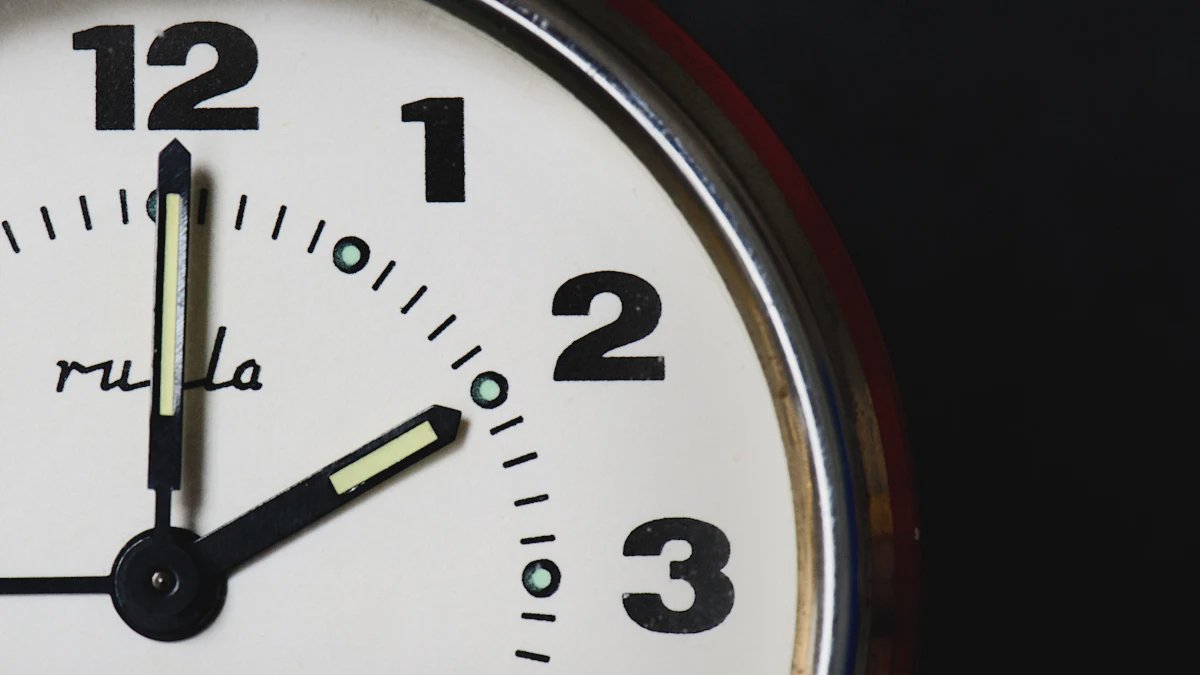
When your cuckoo clock goes haywire early Sunday morning, or your bedside radio-controlled clock suddenly jumps forward an hour, you know it's that time again: Daylight Saving Time (DST) 2026 is upon us. In the early hours of March 29th, as we move from the 28th to the 29th, the clocks will spring forward from 2:00 AM to 3:00 AM. The bottom line: we lose an hour of sleep, but gain longer, brighter evenings. Sitting here in Bern, it feels like we have this same debate every year, questioning whether the whole process still makes any sense.
When Exactly Do Clocks Change? The Key Date for 2026
Here's the deal: The 2026 time change follows the same old rhythm. It happens on the last Sunday in March. So, if you have plans on Saturday, March 28th, just keep in mind that the night is officially one hour shorter. Shifting to DST means mornings will be a bit darker when you wake up, but you get to enjoy your evenings with more daylight. I get the feeling the late risers among us tend to grumble about this, while the night owls are celebrating.
Why Do We Even Do This? And What Happened to Getting Rid of It?
Wasn't there a big plan to abolish this whole thing? Years back, the EU Commission ran a survey, and a huge chunk of participants wanted to stick with permanent summertime. But then COVID hit, followed by the war in Ukraine, and suddenly the topic got buried in a drawer. Now, as we gear up for the 2026 time change, new studies and debates are popping up in the media again. Word is, Brussels is planning to launch another investigation into how this twice-yearly clock-tinkering affects our health and the economy. Switzerland, not being an EU member, is of course watching closely. We're a little island in the European time zone sea, and going it alone would be a nightmare – just imagine if we were suddenly an hour ahead or behind Germany or Italy. It would throw train schedules and business meetings into total chaos.
I was talking to a buddy from Zurich the other day, and he said, "As long as the EU can't agree on anything, nothing's going to change here either." And he's got a point. The Swiss Federal Council has repeatedly said it's waiting to see how things pan out in Europe, without being in any rush itself. For the government, the time change is probably just a routine procedure that manages to generate headlines twice a year – and gives people something to argue about at their local pub.
Does Daylight Saving Time Actually Do Anything? The Pros and Cons
- The Upside: Long, bright evenings – perfect for grabbing a drink on a patio after work, going for a run, or biking. A lot of people love this.
- The Downside: It messes with your internal clock. Kids and seniors, especially, can feel off for days after the switch.
- The Debate: It's supposedly an energy saver. But modern studies show the effect is negligible – we might just end up heating our homes earlier or using lights longer, depending on the season.
- The Constant: The argument over it is now almost as predictable as the time change itself.
Practical Tips for the Daylight Saving Time Switch
So you don't end up living in the wrong time zone, here's some advice from someone who's been through this before: Change your analog clocks on Saturday evening. Get it out of the way so you can have a peaceful Sunday morning. Your phone and computer will handle it automatically – so if you're catching a train on Sunday, your transit app will show the correct time. And give your body a few days to adjust. Soak up plenty of daylight – a Sunday walk is a great idea. Sure, the Daylight Saving Time 2026 change is a bit of a nuisance, but it's part of spring's routine now – like the first flowers blooming or hearing crickets again in the evening. In a weird way, it's kind of part of the charm.
So, don't forget: Move your clocks forward on the night of March 29th. Then, it's time to head out onto the balcony, enjoy that extra hour of evening light, and maybe pause for a second – at least until October, when we get to do this whole song and dance in reverse. Until then, let's enjoy those long summer evenings!