Daylight Saving Time 2026: Here’s Why Clocks Go Forward This Weekend
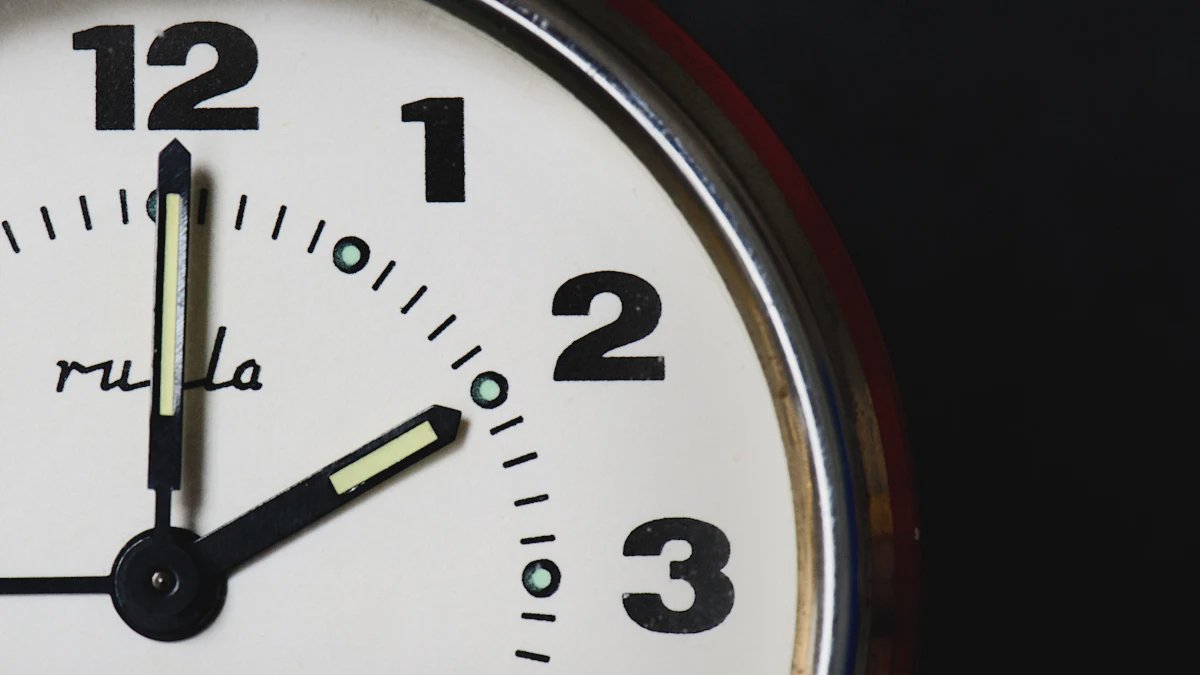
When you wake up on Sunday morning and notice your wall clock is an hour off, or your smartwatch suddenly shows a later time, you’ll know it’s that time of the year again: The switch to Daylight Saving Time (DST) in 2026 is upon us. On the night of March 28-29, at 2:00 AM, the clocks will jump forward to 3:00 AM. The trade-off? We lose an hour of sleep, but gain longer, brighter evenings. Honestly, it feels like every year we have the same conversation about whether this practice still makes any sense at all.
When Exactly Does the Clock Change? The Key Date for DST
Just to be clear: The 2026 time change follows the familiar pattern. It always happens on the last Sunday of March. So, if you have plans on Saturday night, March 28, just remember that the night will officially be an hour shorter. With DST, mornings will be a bit darker when we wake up, but we get to enjoy our evenings with more daylight. I get the feeling that early risers aren't too happy about this, but the night owls are definitely celebrating.
Why Do We Even Do This? And What Happened to Getting Rid of It?
Remember when there was all that talk about abolishing the clock change? Years ago, there was a big push, with many people wanting to stick to a permanent Daylight Saving Time. But then other global events took priority, and the whole discussion seemed to disappear. Now, as we approach the DST change in 2026, the debate is popping up again. There's talk of new studies looking at how this twice-a-year shift affects our health and productivity. While this is largely a Western debate, it’s interesting for us in India to watch. We follow a single time zone year-round, so we avoid this disruption entirely. It makes you appreciate the simplicity of not having to fiddle with our clocks twice a year, unlike some other parts of the world where a patchwork of time zones and DST observances can create confusion.
I was recently chatting with a friend who travels frequently for work between India and Europe, and he said, "It’s such a hassle. Every time I have to remember if it’s the right week to adjust my watch." It really makes you think. For us in India, the time change is something we just read about – a routine headline that appears twice a year and sparks a bit of curiosity, but doesn't really affect our daily lives.
So, What’s the Point of It All? A Quick Look at the Pros and Cons
- The Bright Side: Longer daylight hours in the evening – perfect for an after-work walk in the park, catching up with friends at a local chai stall, or for those who enjoy evening sports. Many people genuinely love this.
- The Downside: It messes with your internal body clock. Kids and the elderly, in particular, can take days to adjust to the new schedule.
- The Debate: It’s supposed to save energy. But modern studies suggest the savings are pretty negligible – you might use less light in the evening but more heating in the morning, depending on where you live.
- The Constant: The debate around DST is now almost as regular as the time change itself.
Practical Tips for Adjusting to the Time Change
To make sure you’re not caught off guard, here’s a bit of advice: If you have any analog clocks, it’s best to set them forward on Saturday evening itself so you’re not confused on Sunday morning. Your phone and computer will update automatically. And give your body a few days to adjust. Try to get some good morning sunlight – maybe take a short walk on Sunday. The 2026 Daylight Saving Time change can be a bit annoying for those who experience it, but for many, it’s a sign of spring, just like the flowers blooming or the longer days.
So, for our friends observing DST, don't forget to set your clocks forward on the night of March 29. And then, enjoy that extra bit of evening light – at least until the clocks go back again in October. Until then, let's make the most of those long, bright evenings!