UK clocks to spring forward in 2026: Why we're changing to British Summer Time this weekend
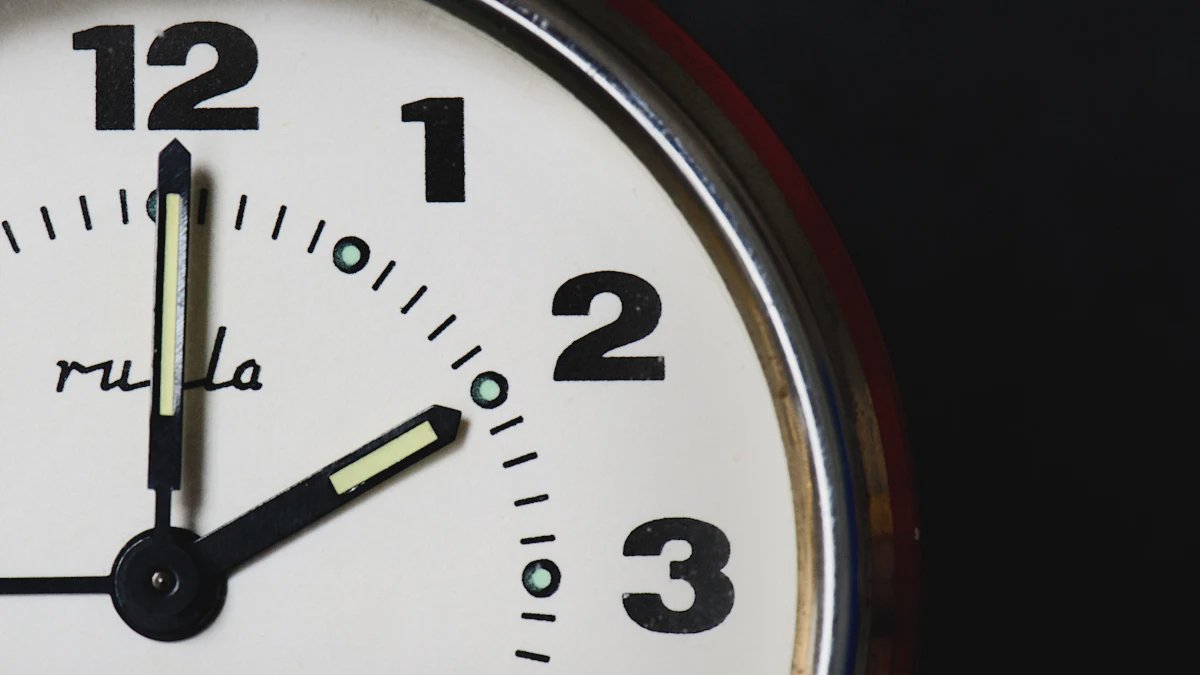
When your radio alarm suddenly reads an hour later than you expected early on Sunday morning, you know the drill: it's time for the clock change to British Summer Time 2026. In the early hours of 29 March, at 2:00am, the clocks will jump forward to 3:00am. The upside? We lose an hour in bed, but gain lighter evenings. The downside? We'll be having this same conversation again in October. Sitting here in London, it feels like we debate the point of it all every single year.
When do the clocks go forward? The exact date for the 2026 change
Here's the certainty: the 2026 clock change follows the same old pattern. It happens on the last Sunday of March. So if you're out and about on Saturday, 28 March, just remember the night is officially an hour shorter. The switch to British Summer Time means mornings will be a tad darker when you wake up, but you can finally enjoy a pint in the pub garden after work while it's still light. I reckon the lie-in lovers will be grumbling, but the evening people will be cheering.
Why do we bother changing the clocks? And what happened to scrapping it?
Weren't we supposed to get rid of this ages ago? The EU Commission ran a consultation years back, and a large chunk of respondents wanted permanent summertime. Then Covid hit, then the war in Ukraine, and suddenly the whole thing got shelved. Now, ahead of the 2026 clock change, fresh studies and debates are doing the rounds again. Brussels is apparently planning another investigation into how this twice-yearly fiddle with the clocks affects our health and the economy. The UK, having left the EU, is watching closely. We're an island adrift in a European sea of time zones, and going it alone would be a nightmare—just imagine if we were an hour out of sync with Paris or Berlin. Chaos for train timetables and Zoom calls with clients.
I was chatting to a mate from Manchester the other day, and he put it bluntly: "Nothing's gonna change here until Europe sorts itself out." And he's got a point. The government keeps saying it's monitoring what happens on the continent, but there's no real urgency. For Whitehall, the clock change is probably just administrative routine—one that generates headlines twice a year and gives everyone something to moan about down the pub.
What does the clock change actually achieve? The pros and cons
- The upside: Long, light evenings—perfect for after-work walks, a jog in the park, or cycling home in daylight. A lot of people love it.
- The downside: It messes with your body clock. Kids and the elderly particularly can feel out of sorts for days afterwards.
- The debate: It supposedly saves energy. But modern studies suggest the effect is negligible—we either turn the heating on earlier or keep the lights on longer, depending on the season.
- The one certainty: Arguing about it has become just as regular as the clock change itself.
Top tips for coping with the change to British Summer Time
To avoid turning up everywhere an hour late, here's my advice after years of this: wind those manual clocks forward on Saturday evening, so Sunday morning is hassle-free. Your phone and laptop will sort themselves out—so if you're catching a train on Sunday, the app will have the correct time. And give your body a few days to adjust. Soak up as much daylight as you can; a good walk on Sunday will help. The 2026 clock change might be a nuisance, but it's as much a sign of spring as the first daffodils and the sound of mowers on a Saturday afternoon. There's something oddly reassuring about it.
So don't forget: put your clocks forward before you hit the sack on 28 March. And then, make the most of it—enjoy that extra hour of daylight, maybe sit out on the patio for a bit, and just take a moment. Until October, when we do the whole thing in reverse. Until then: enjoy British Summer Time!