Femicide in Monheim: Husband Confesses – He Smothered Fatma Because She Wanted a Divorce
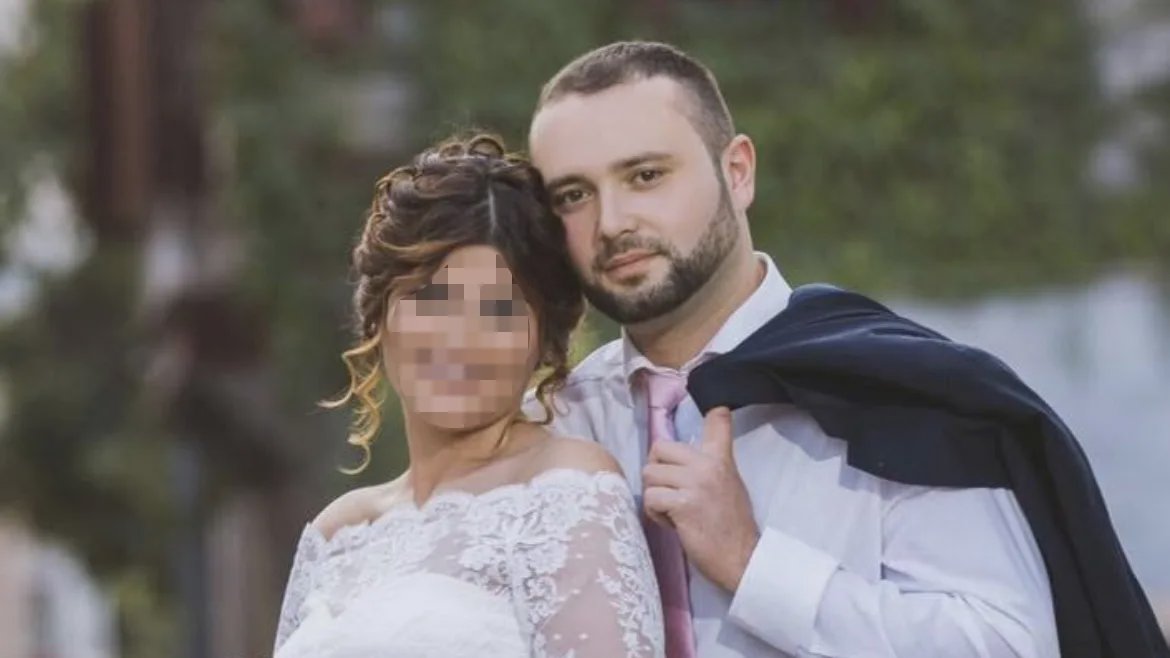
Hearing this story just takes your breath away. At the Düsseldorf Regional Court, a 43-year-old man from Monheim has confessed to killing his own wife. Fatma (38) wanted a divorce – so he murdered her. He smothered her with a pillow while she slept. A treacherous murder, according to the public prosecutor's office. Another case of femicide, where a woman had to die simply because she was a woman and wanted to leave her partner.
They met years ago in Turkey, and Fatma moved to Germany for him. But what started as love eventually turned into a living nightmare. In the months leading up to the crime, things had completely fallen apart. Fatma wanted out, wanted to leave him and start over. "She said multiple times that she would file for divorce," the defendant told the court in a thin voice. That's apparently what he just couldn't handle. Add to that constant arguments about money – their finances were a total mess. On the night it happened, they had another blowout fight. When Fatma was asleep, he simply took the pillow and held it down until she suffocated.
Hearing stories like this shakes you to the core. But unfortunately, this isn't an isolated incident. Every year in Germany, hundreds of women are killed or brutally assaulted by their husbands or ex-partners. Femicide is a global issue that doesn't stop at any border. In Latin America, for example, the term is already widely used because the numbers there are unbelievably high. But it also happens here, behind closed doors – in living rooms, kitchens, and bedrooms. Only, we often still call it a "family tragedy" or a "crime of passion." Pure trivialization. A femicide isn't a tragedy; it's plain and simple murder.
The neighbors in Monheim are completely devastated. "Fatma was such a nice woman, always greeted you and smiled," says an elderly woman from next door. "We never heard anything, never any screaming. It's just unbelievable." And that's precisely the insidious thing about such acts: they happen silently, behind closed doors. Fatma didn't confide in anyone, didn't seek help – maybe because she thought things would get better. Or maybe because she was ashamed. But her case shows: when a woman wants a divorce, it can be life-threatening. Statistically, the period of separation is the most dangerous moment in an abusive relationship.
What can we learn from this? Just shaking our heads in disbelief isn't enough. As a society, we need to rethink things and, most importantly, offer help. Experts keep saying the same things:
- Take early warning signs seriously: Controlling behavior, jealousy, putting a woman down – these are often the first indicators of future violence.
- Expand counseling services for women: Women need to know where they can get quick and uncomplicated help, without fear of bureaucracy or judgmental looks.
- Also engage with the perpetrators: Only when men learn to deal with anger and conflict without violence can we prevent further crimes.
- Better training for police and the justice system: Every domestic violence call must be taken seriously – for what it often is: the last warning sign before a femicide.
The trial against the 43-year-old isn't over yet. A psychiatric evaluation is meant to clarify what was going on inside him. But Fatma is dead. She couldn't get away. Her fate must be a wake-up call for all of us. Because as long as women in Germany have to be afraid when they want to leave a relationship, we have failed as a society. Femicide is not a private matter. It's a crime – and it concerns every single one of us.
If you need help: The "Violence against women" helpline is available 24/7 at 116 016 and online at hilfetelefon.de. In acute emergencies, call 110 immediately.