Iran War Latest: Strait of Hormuz Threats and the Books That Help Us Understand the Crisis
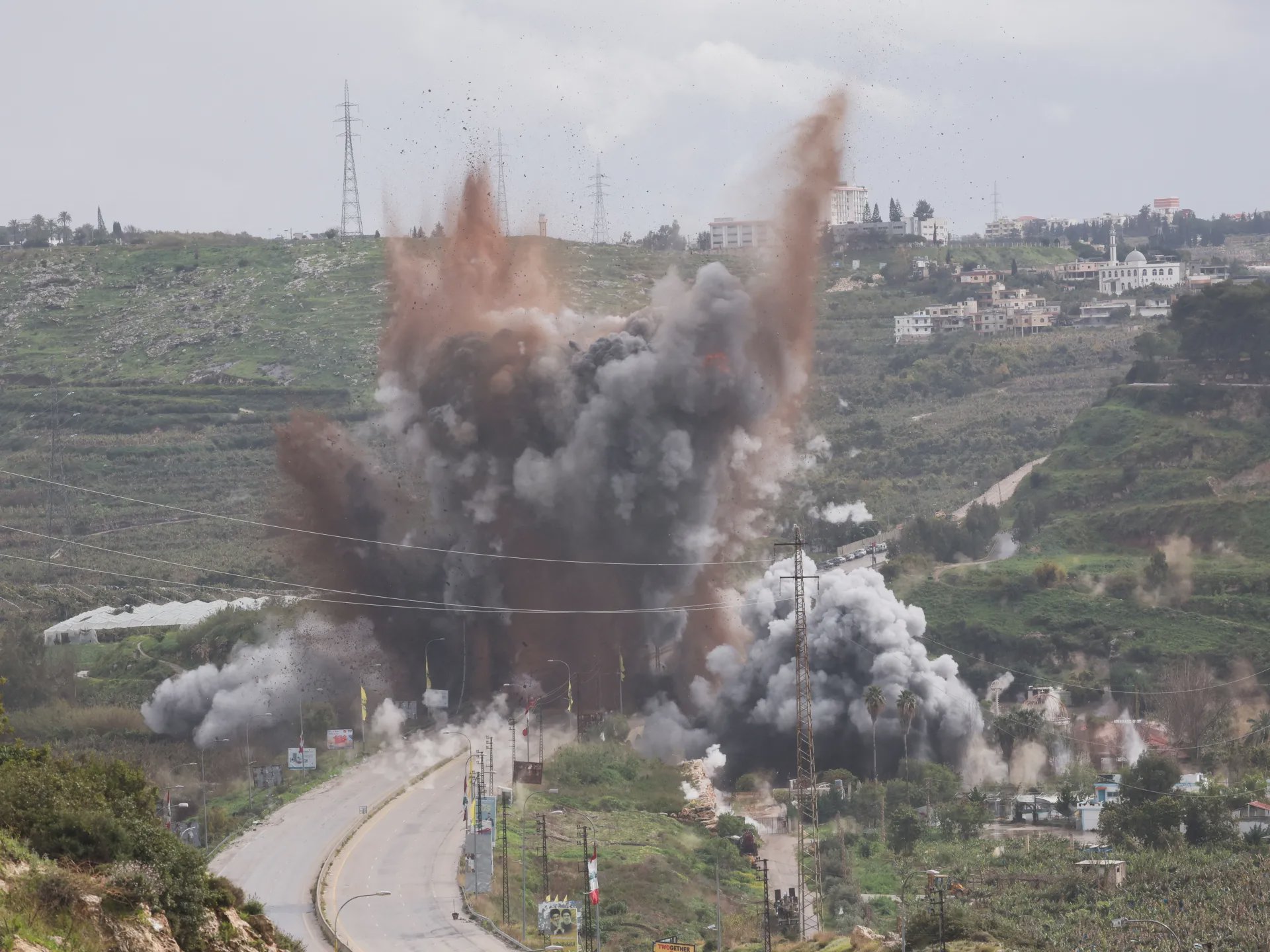
If you've been keeping up with the news from the Middle East this week, that familiar knot in your stomach is probably back. You know the feeling—when the talk shifts from diplomatic posturing to something far more definitive. Yesterday, Tehran issued an ultimatum that sent shockwaves through global oil markets: if their power plants or nuclear infrastructure are targeted, they will “completely close” the Strait of Hormuz. For anyone in India, where our economy is deeply tied to energy supply chains, this is more than just a geopolitical headline—it's a potential economic body blow.
I've covered this region long enough to know that when Iranian leadership starts talking about Hormuz, we're way past the point of sabre-rattling. This is their nuclear option—literally. Nearly a fifth of the world's oil flows through that narrow chokepoint. Shut it down, and you're looking at a global recession overnight. It’s a desperate move, but a credible one. A contact of mine in the energy trading hub in Mumbai told me insurance premiums for tankers have already shot through the roof in the last 24 hours. You can feel the tension in the numbers.
A Fiction That Feels Like Fact
It’s strange, though. Amidst all this real-world chaos, I find myself thinking about a book I picked up earlier this year. Capture Or Kill: A Mitch Rapp Novel by Don Bentley is supposed to be a thriller—pure entertainment. But reading it now, with the headlines we're seeing, it feels less like fiction and more like a playbook. Bentley, who knows his subject, builds the plot around a Quds Force demonstration of a new capability meant to destabilize the American foothold in the region. Sound familiar? The protagonist, Azad Ashani, is an Iranian intelligence director—a back-channel to the CIA—who sees the madness coming and knows he can't stop it alone. He needs someone like Mitch Rapp to step in.
What struck me wasn't just the action—it was the anxiety of the Iranian operatives in the book. They aren't caricatures. They're professionals who know their country is on the brink of a catastrophic miscalculation. That mirrors what a respected energy analyst like Gregory Brew has been saying for years. He’s spent his career pointing out that the internal calculations in Tehran are often more complex than the “mad mullah” stereotype suggests. There are pragmatists in that room, but right now, it looks like the hardliners are in the driver’s seat, and they're willing to crash the whole car just to prove a point.
Voices From the Ground
While the world is fixated on missile silos and naval movements, there’s a human story here that often gets lost. It’s the story of the people who have to live through the fallout of these decisions. That’s why I think Roxana Shirazi’s work—and specifically the new memoir My Name Means Fire: A Memoir by Atash Yaghmaian—is essential reading right now.
Yaghmaian’s story is a gut-punch. It’s not about geopolitics; it’s about survival. Growing up in Iran during the revolution and the brutal eight-year war with Iraq, her world was a mix of state-enforced oppression, superstition, and domestic instability. To escape the horror, she dissociated into a world she called the “House of Stone.” It’s a searing account of how ordinary Iranians—particularly women—have endured decades of fire. Reading it now, as we talk about “opening up” another front, you realize the deep, generational trauma that hangs over this crisis. For Iranians, war isn’t a hypothetical or a video game. It’s the ground they walked on as children.
The Path Not Taken
All of this begs the question: how did we get back here? If you want the answer, you have to look at the room where the deals were made—and the deals that were broken. The Art of Diplomacy: How American Negotiators Reached Historic Agreements that Changed the World by Stuart E. Eizenstat is a doorstopper of a book, but it’s worth its weight in gold right now. Eizenstat, a veteran diplomat, dedicates significant space to the Iranian Nuclear Accord—the JCPOA. He walks through the painstaking negotiation, the concessions, the back-channeling, and the eventual agreement that actually rolled back Iran’s nuclear program.
Reading that section today is heartbreaking. It’s a masterclass in how to prevent a war through sheer, dogged persistence. But it’s also a reminder that diplomatic achievements are fragile. They require consistent upkeep. When one side decides to tear the whole thing up, you don’t just lose a piece of paper—you lose the trust of an entire generation of negotiators on both sides. Now we’re left with ultimatums and threats to close the world’s most important waterway.
So, where does that leave us?
What to Watch in the Coming Days
For those of us watching from India, we’re far from the blast radius, but we’re deep in the economic crosshairs. Here’s what I’m keeping an eye on:
- The Oil Price: Don’t just look at the headlines. Watch the volatility. If Brent Crude spikes above $100 and stays there, you’ll know the markets believe a Hormuz closure is imminent.
- The “Back Channel”: Keep an ear out for any whispers of dialogue. In the Capture or Kill novel, the hope lies in the unofficial connection between Ashani and the CIA. In reality, when the official doors close, the back channels open. If those are silent, we’re in trouble.
- Regional Allies: The Gulf Arab states are terrified of a regional war. They’ll be pressuring Washington to de-escalate, but they also have their own defense pacts to consider. A shift in their rhetoric will tell us a lot.
We’ve been here before, right on the edge. But something feels different this time. Maybe it’s the fact that the diplomatic playbook—the one Eizenstat documented so meticulously—has been burned. When you strip away the safety nets, the fall is always harder. Let’s just hope the cooler heads in Tehran and Washington remember that before someone decides to test just how “complete” a closure of the Strait of Hormuz can really be.