Hilde Henriksen Waage challenges Norway's self-image as a 'peace nation' – and Støre must answer for it
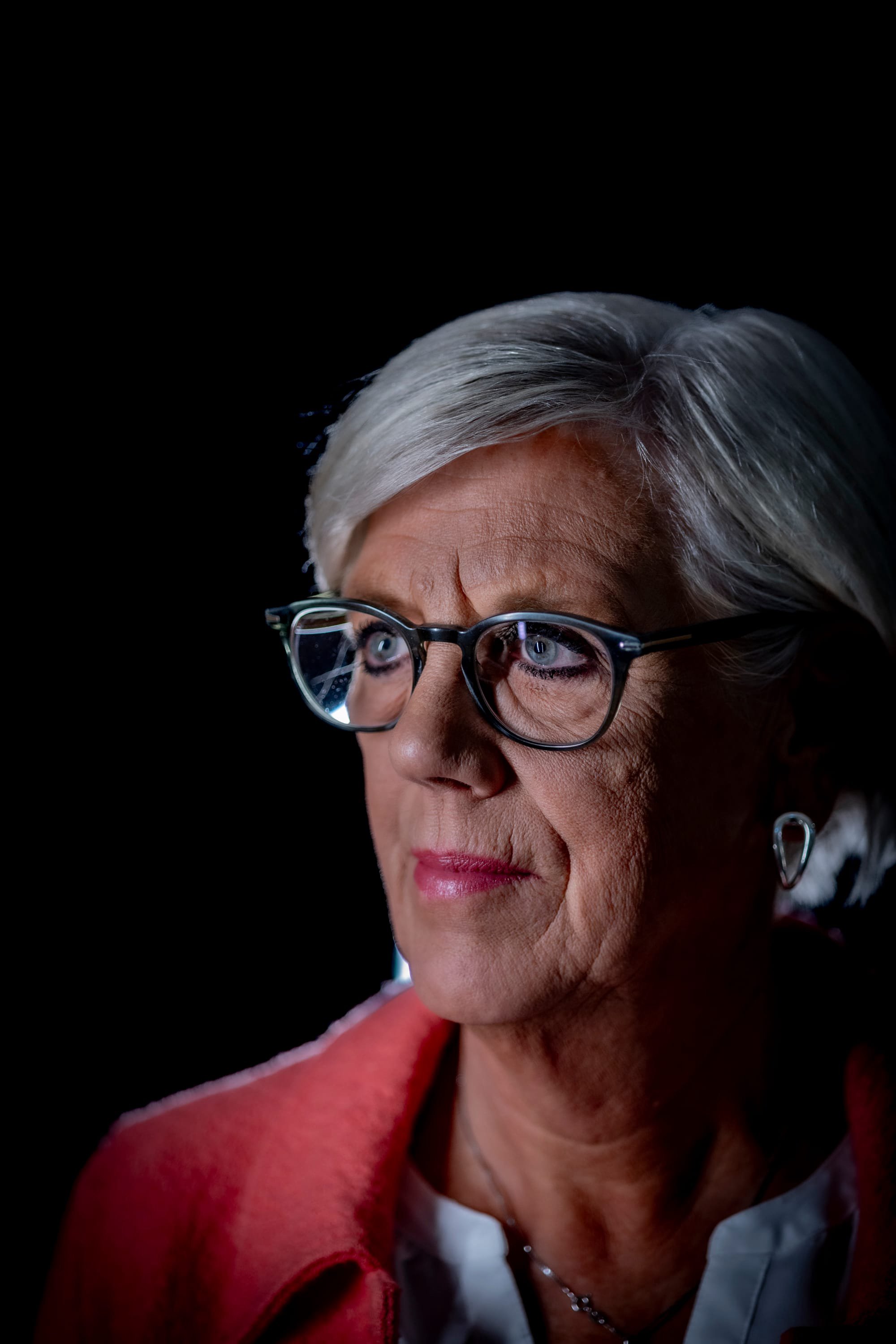
For decades, we have comfortably embraced the story of Norway as a kind of peace superpower. From Gaza to Guatemala, via Sri Lanka and Colombia – Norwegians have been everywhere, with humility in hand and wallets full of oil money. But behind the facade of good intentions, historian Hilde Henriksen Waage has, for over twenty years, unearthed material that puts cracks in this self-perception. Now, the debate has fully erupted, and the Prime Minister finds himself on the defensive.
A researcher who cannot be bought
Waage, a senior researcher at the Institute for Defence Studies and a professor at the University of Oslo, has specialised in archives that others neglect to open. She has been inside the innermost circles of Norwegian diplomacy, and what she finds doesn't match the rosy picture. In her research on Norway's engagement in the Middle East, she uncovers a pattern where Norwegian actors have often been more concerned with alliances with the US and Israel than pushing for a fair two-state solution. It's an uncomfortable claim, but her documentation is solid.
What makes Hilde Henriksen Waage so distinctive is that she doesn't just nitpick at minor details. She challenges the very foundation of Norwegian foreign policy: the idea that we are a 'neutral' and 'moral' beacon. When she talks about the Oslo Accords, she reminds us that they were largely crafted in secrecy, without public anchoring, and that the Palestinian side was pressured into accepting terms they couldn't truly live with. This isn't the history we grew up with.
The reactions are swift in coming
In the wake of new interviews and lectures, Hilde Henriksen Waage has ignited the political debate. Several of her critiques point directly at the sitting government. In a recent conversation with key political sources, it becomes clear that Jonas Gahr Støre is being asked to provide better answers. What did he know? What should he have known? Støre, who himself has been Foreign Minister and State Secretary, is part of the same establishment that Waage is now questioning. She has reviewed documents from that period and claims that the explanations provided by Norwegian authorities simply don't hold water. Several sources describe them as "outright lies" – harsh words in Norwegian political discourse.
This is no longer just an academic discussion at Blindern. This has become a hot potato in the corridors of the Storting. When one of the country's foremost experts on peace diplomacy says we have been misleading people, politicians must step in. Støre has been reticent so far, but the pressure is mounting.
What exactly is Waage saying?
To understand the gravity, we can highlight some of the core points from Hilde Henriksen Waage's research and criticism:
- The myth of neutrality: Norway has never been a neutral actor in conflicts but has always had its own interests – often linked to the NATO alliance and trade.
- Hidden agendas: The review of archives shows that Norwegian diplomats have at times withheld information from parties in a conflict, which undermines trust in the mediator role.
- Lack of self-criticism: Official Norway has refused to confront failed strategies, especially in the Middle East. Instead, we celebrate ourselves as the peace nation above all others.
- The language of power: Waage points out that it is often the stronger parties that get their way in Norwegian diplomacy, while the weaker ones are left with promises that are never fulfilled.
These points are dynamite. Because if Waage is right, Norway's role in the world isn't just a matter of goodwill, but also of power politics and accommodation. And that's precisely why she becomes so dangerous for those in power.
A necessary wake-up call
Whether you agree with her or not, Hilde Henriksen Waage forces us to look inward. What is Norwegian foreign policy really about? Are we the altruistic helpers we like to believe, or just a small state adapting to the major powers? This week, the debate has surged back and forth, and it will certainly continue. One thing is certain: the researcher from the University of Oslo has managed to touch a nerve that runs deep in the Norwegian national psyche. And once the stitches start to come loose, it's difficult to sew it all back together.
Now, it remains to be seen whether Støre and co. can provide the answers that Waage and public opinion demand. Because history has a way of catching up with us – and right now, it's the historian knocking on the door.