Braunschlag, Slumming, and the Big Nostalgia Trip: Why the Misfortune of Others Suddenly Makes Us Happy
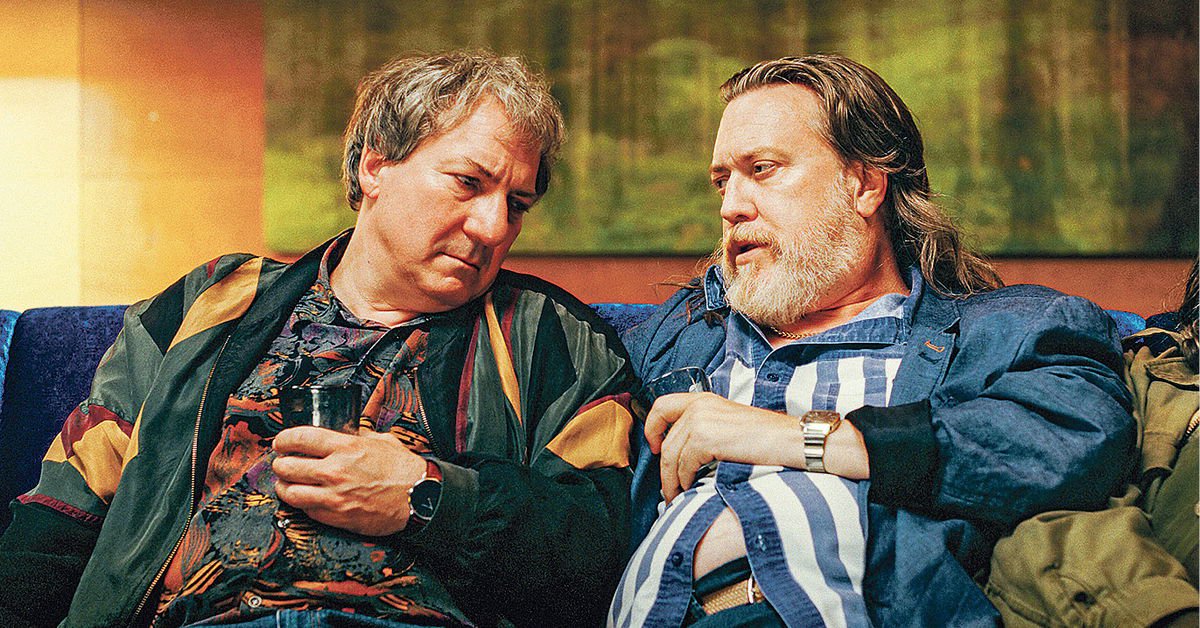
Ever have that feeling? When you're strolling through downtown Vienna in the evening, passing all the trendy bars, and suddenly you think to yourself: Wasn't everything actually better back in the day? No wonder everyone's talking about Braunschlag right now. Not just because the folks in this fictional backwater on the Czech border still have real problems—like an alleged million-dollar find or a bishop who cruises around on a motorcycle—but because this place suddenly seems to be everywhere.
In a recent episode of a popular Austrian late-night show, which never fails to deliver its Tuesday night dose of dark humor, the topic was, of course, omnipresent. The two hosts pulled no punches as usual and zeroed in on what's been on all our minds: this strange fascination with "slumming." Back in the day, you might have taken a trip out to Braunschlag on the weekend to see how the "country bumpkins" live. Today, you do the same thing, except you don't have to drive all the way to the boonies anymore—just switching on the TV does the trick.
The Return of Blue-Collar Poetry
It's becoming something of an art form: Austrian television has been on an incredible run lately when it comes to portraying the supposedly "simple" life. But make no mistake, it's not a mockery. It's a love letter. When they report on the Oscars on TV—and a certain Moschen recently reminded us in a current show that it was a tight race this year—we're half as interested in that as we are in wondering what Trachten outfit the Braunschlag characters will get next.
A Viennese city magazine ran a brilliant commentary last week under the motto "Things Were Better Before." And that's exactly the point: Braunschlag isn't a place. Braunschlag is a state of mind. It's the longing for a time when the world was still manageable. When the biggest scandal was that the neighbor didn't build the garden fence straight, and not the next global crisis.
So, What Exactly is This "Slumming" Thing?
The term slumming originally comes from Victorian England. Rich snobs would venture down into the impoverished districts to amuse themselves and get a little thrill of horror. Today, we all do it, just much more subtly. And in a much more Austrian way. It's about:
- The Aesthetics of Decay: Shabby facades, overgrown gardens—we now find this "authentic" and "quaint."
- Being Strangers to Ourselves: We laugh at the dialects and quirky habits, but it's an affectionate laugh. It's our own reflection, distorted, but recognizable.
- The Search for Simplicity: In a complex world, life in a fictional Braunschlag seems refreshingly simple. Corruption, petty crime, and pub arguments—these are problems you can still understand and maybe even solve.
The discussions these shows and documentaries spark are enormous. Suddenly you're sitting at the wine tavern, not debating pensions, but arguing about whether the portrayal of Braunschlag isn't maybe just a tad too cliché. And that's precisely where the genius lies: By talking about "slumming" and how we look down on the provinces, we expose ourselves as the true conformists we sometimes are.
Whether it's Braunschlag, the neighbors-turned-guests on various talk shows, or the latest documentary about life in the federal states, the trend is clearly toward self-reflection. And that's a good thing. Because if you can't recognize yourself, you're just not paying attention. The main thing is we don't get too self-serious about it. You always have to leave room for a bit of wit.