Metaverse: A $70 Billion Dream That Never Took Off?
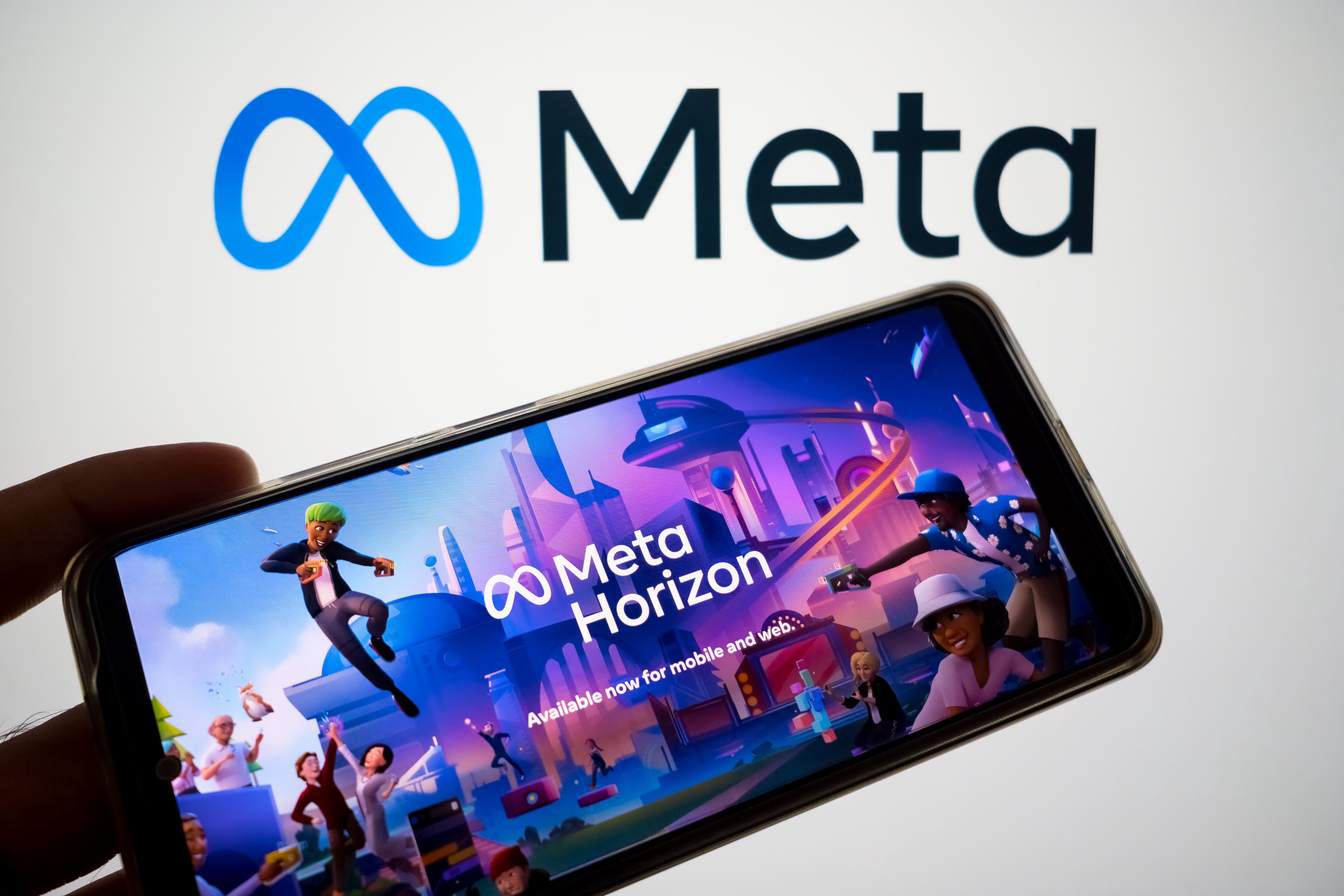
Remember a few years back, when everyone on social media was going on about the metaverse like it was the next great promised land? They kept telling us, "Get ready, real life is over, everyone's moving to the virtual world." The promises were pouring in, and Mark Zuckerberg, the guy who changed the face of social media, was putting all his chips on this new world. He even rebranded his company from Facebook to "Meta" just to show he meant business. And honestly, back then, it all felt like a dream that was destined to come true.
But... just last week, news dropped that was a real wake-up call for anyone following along. The massive metaverse project "Horizon Worlds" was officially shut down. And it wasn't just shut down; it took nearly $70 billion down the drain with it. Seventy billion! That’s a number that makes you stop and think: was this all just a mirage? Did the whole world get swept up in an idea that looked flashy from afar but was hollow inside?
From "The Family Experiment" to Billionaire Escape Fantasies
This whole saga reminds me of two books that came out in recent years. If you’d read them five years ago, you'd have thought the authors were either total pessimists or had a crystal ball. The first is "The Family Experiment". It’s about a family trying to live in a virtual world, and it shows how that space can become a gilded cage instead of a sanctuary. The second book, which made waves, is "Survival of the Richest: Escape Fantasies of the Tech Billionaires". This one dives into how some wealthy Silicon Valley entrepreneurs see building virtual worlds as a way to escape from reality – and even from regular people they blame for the world's problems. So instead of fixing real issues, they'd rather build private playgrounds for themselves and their kids. Wild, right?
And that’s pretty much what happened with Zuckerberg’s project. A platform that was supposed to be for everyone ended up as one massive bubble. People tried out VR at first, but the novelty quickly wore off. Sure, the initial experience was cool, but spending hours with a headset on, interacting with cartoon avatars? It just couldn't compete with hanging out with friends at a seaside café.
- Reason #1 for the failure: The high cost. The hardware is expensive, and the tech needs constant, pricey updates.
- Reason #2: The cold social experience. Let's be real, conversations in the metaverse often felt like talking to a wall.
- Reason #3: The gap between promise and reality. They promised us endless, vibrant worlds, but what we got were mostly empty ones.
What About Love and Connection? The "Nevermet" Story
Right in the middle of this hype bubble, apps like "Nevermet - VR Dating Metaverse" popped up. The idea was to find a life partner in the virtual world before meeting them in real life. On paper, it was an intriguing concept, especially in an era where relationships are getting more complex. But the real question is: can you genuinely feel a connection with someone you only meet as an avatar?
On paper, it seemed like the perfect solution for people who were shy or had social anxiety. But reality proved that human emotions can't be reduced to virtual gestures. A lot of users gave it a try, but the majority ended up going back to traditional dating apps. Because they discovered that a real touch, eye contact, and body language are what create a genuine bond. Pixels just can't create that real chemistry between two people.
The Extinction of Genuine Human Experience
All this leads me to another fascinating book, "The Extinction of Experience: Being Human in a Disembodied World". This one talks about the real danger we were facing during the metaverse frenzy. The risk wasn't just that we'd fail technologically, but that we might succeed so well that we lose our humanity. Imagine getting to a point where we prefer sitting alone at home with a headset on over stepping out to breathe in the morning air or grabbing coffee with friends.
Meta’s spectacular failure might actually be a saving grace, pulling us back from that brink. Sure, we lost $70 billion (which is an insane amount, but it's big corporate money), but we gained a more valuable lesson: no technology can replace the fundamental human need for physical connection and real emotions. Whether in Saudi Arabia or anywhere else in the world, we need reality, not an escape from it.
So, what do you think? Is this the end of the metaverse for good, or is it just a setback before it comes back in a different form? Share your thoughts in the comments. I think this story isn't over yet, but it certainly ended in a way no one expected.