Metaverse: Did the Dream End Before It Even Began? The Story of the $70 Billion That Vaporised
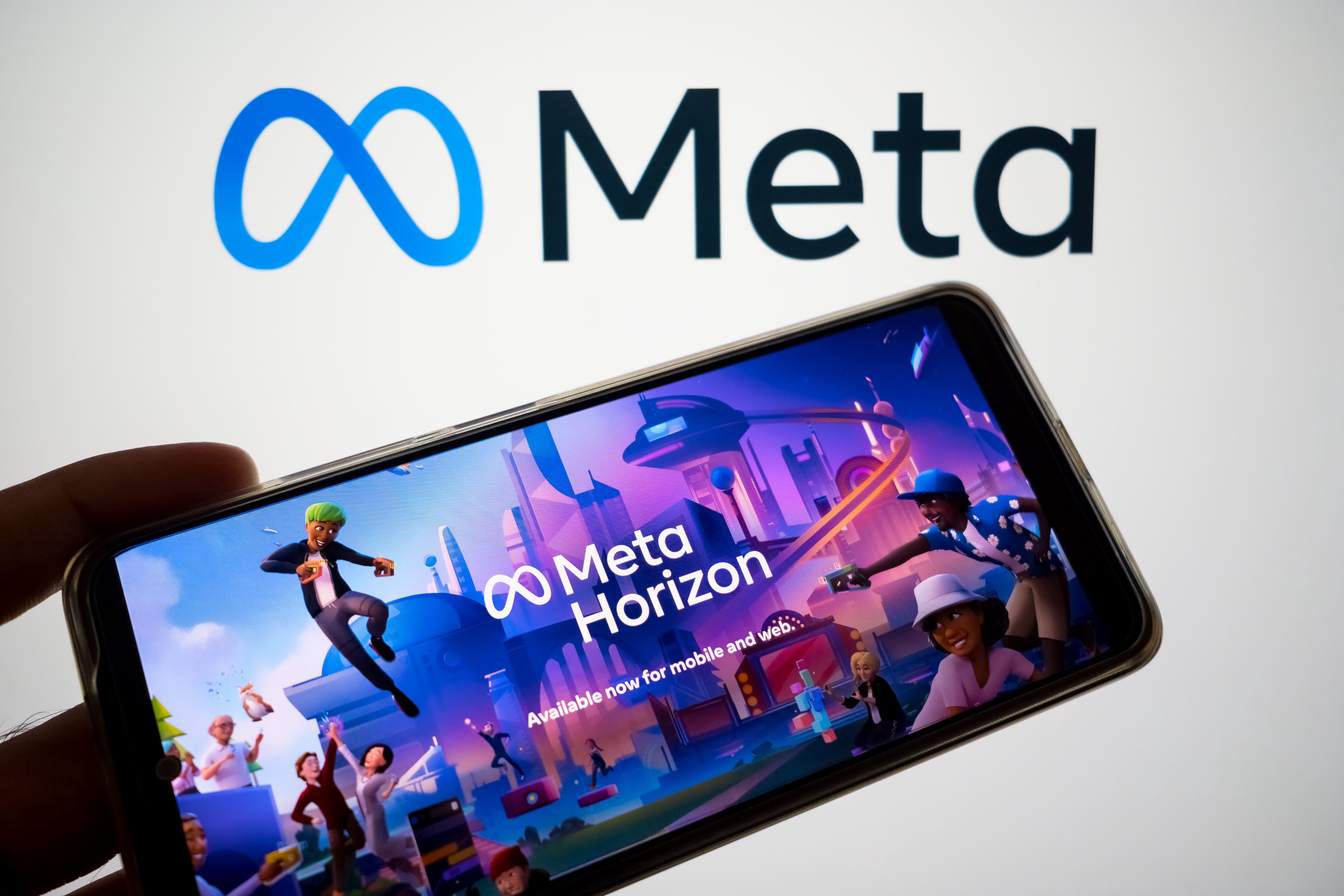
Man, do you remember a few years back when everyone on social media was talking about the metaverse like it was some new promised land we were all about to inhabit? They were telling us: "Get ready, real life is over, everyone's heading to the virtual world." The promises were coming down like rain, and Mark Zuckerberg, the guy who changed social media as we know it, was betting everything on this new world. He even changed his company's name from Facebook to "Meta" to show us he meant business. And honestly, back then, it all felt like a dream that was bound to come true.
But... just last week, news dropped that was a bit of a shock to anyone following along. The big metaverse project "Horizon Worlds" was officially shut down. And it wasn't just shut down; it took about $70 billion down the drain with it. Seventy billion! A figure that makes you stop and wonder: Was this all just an illusion? Did the whole world get fooled by an idea that looked shiny from a distance but was hollow inside?
From "The Family Experiment" to Billionaire Escape Fantasies
This story, by the way, reminds me of two books that came out in recent years. If you'd read them five years ago, you'd think the authors were just being overly pessimistic or maybe had a crystal ball. The first book was called "The Family Experiment," and it's about a family experience in a virtual world, showing how that world could become a beautiful prison for people instead of a refuge. The second book, which caused quite a stir, is "Survival of the Richest: Escape Fantasies of the Tech Billionaires." This one talked about wealthy entrepreneurs in Silicon Valley, and how their dreams of building virtual worlds are just a way to escape harsh reality, and even to escape ordinary people who they see as the cause of the world's problems. Imagine, instead of solving real issues, they prefer to build private worlds just for themselves and their kids! Isn't that strange?
And that's exactly what happened with Zuckerberg's project. The project that was supposed to be a platform for everyone just turned into a massive bubble. People tried out virtual reality (VR) at first, but they quickly felt the emptiness. Sure, the experience was exciting the first time, but spending hours with goggles strapped to your eyes, interacting with cartoonish avatars, was never a real substitute for hanging out with friends at a café by the sea in Dublin or Cork.
- Reason number one for the failure: The high cost. The hardware is expensive, and the tech needs constant development.
- Reason number two: The cold social experience. Simply put, conversations in the metaverse felt like talking to a wall.
- Reason number three: The gap between the promise and reality. They promised us infinite worlds, but what we got were mostly empty ones.
What About Love and Connection? The "Nevermet" Story
In the midst of this bubble, apps like "Nevermet - VR Dating Metaverse" emerged. The idea behind the app was to find your life partner through the virtual world before meeting them in real life. The concept itself was nice, especially in an era where relationships have become more complicated. But the question is: can you truly feel genuine emotions for someone you only meet as an avatar?
On paper, it seemed like the perfect solution for people who struggle with shyness or social anxiety. But reality proved that human emotions can't be reduced to virtual gestures. A lot of users tried the app, but the majority ended up going back to traditional dating apps. Because they simply discovered that real touch, eye contact, and body language are what make a real connection. Pixels just can't create that real chemistry between two people.
The Extinction of Genuine Human Experience
This all brings me to another interesting book, "The Extinction of Experience: Being Human in a Disembodied World." This one talks about the real danger we were facing during the metaverse hype. The danger wasn't in failing technologically, but in succeeding so much that we'd lose our humanity. Imagine reaching a point where we'd prefer sitting alone at home with goggles on our faces rather than going out to breathe the morning air or grabbing coffee with friends.
Meta's spectacular failure might actually have saved us from that fate. Sure, we lost $70 billion (which is an enormous amount, but it's big tech's money), but we gained a much more valuable lesson: No technology can replace the innate human need for physical connection and genuine emotion. Here in Ireland, and all over the world, we need reality, not an escape from it.
In the end, what do you think? Is this the end of the metaverse for good, or is it just a setback before it returns in a different form? Share your thoughts with me in the comments, because I think this story isn't over yet, but it's definitely taken a turn nobody expected.