Metaverse: Did the Dream End Before It Even Began? The $70 Billion That Vanished
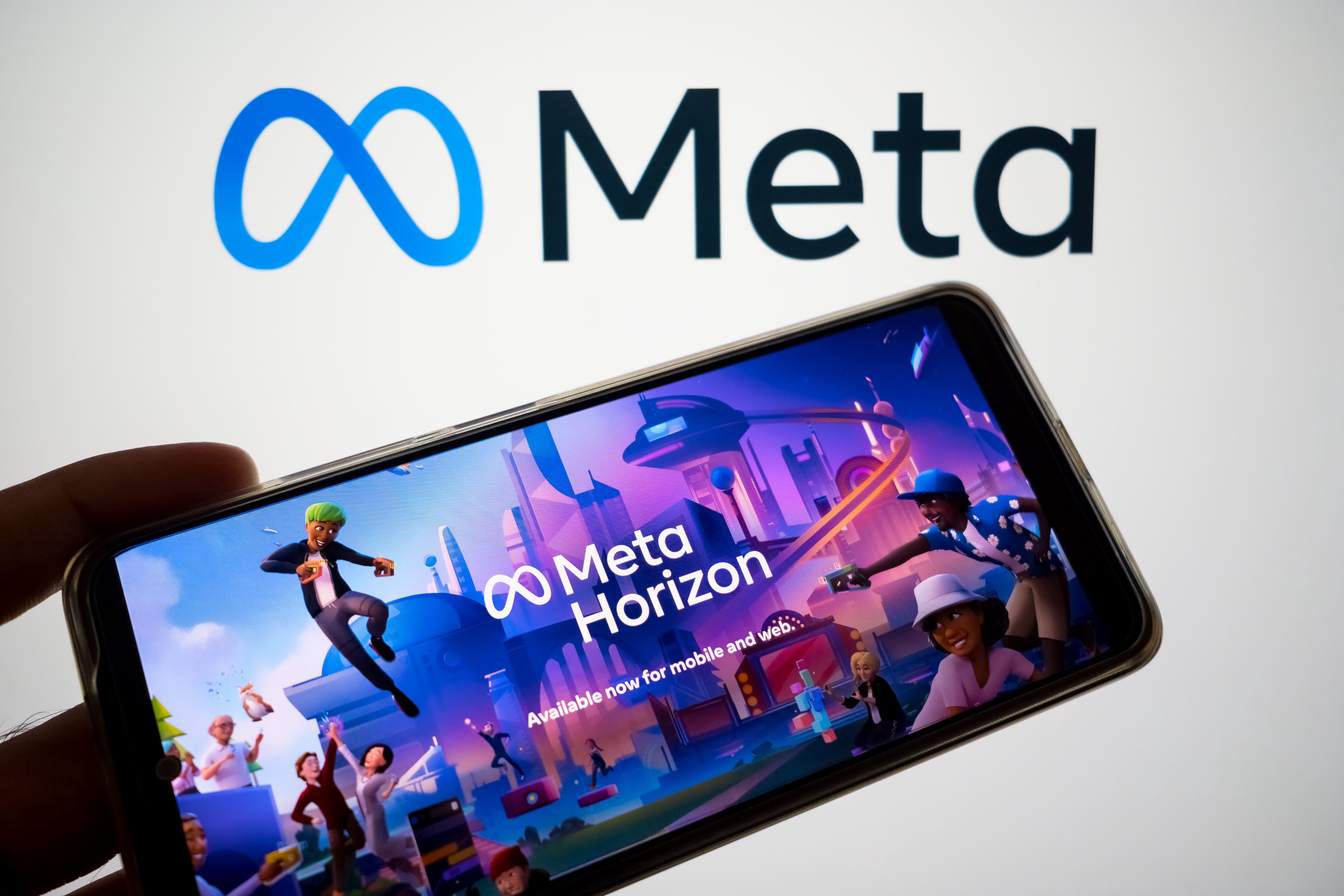
Mate, remember a few years back when everyone on social media was going on about the metaverse like it was going to be the next big promised land we'd all be living in? They were telling us: "Get ready, real life is over, everyone's heading to the virtual world." The promises were coming thick and fast, and Mark Zuckerberg, the bloke who changed social media as we know it, was putting his full weight behind this new world. He even changed his company's name from Facebook to "Meta" just to prove he was serious. And honestly, back then, it all seemed like a dream that was bound to come true.
But... just last week, news dropped that was a bit of a shock to anyone following along. Meta's massive metaverse project, "Horizon Worlds," was officially shut down. And not just shut down, but it took a cool $70 billion down the drain with it. Seventy billion! A number that makes you stop and think: was this all just an illusion? Did the whole world get duped by an idea that looked shiny from a distance but was empty on the inside?
From "The Family Experiment" to Billionaires Bailing Out
Incidentally, this whole saga reminds me of two books that came out in recent years. If you'd read them five years ago, you'd have thought the authors were either incredibly pessimistic or had a crystal ball. The first book was called "The Family Experiment," and it's about a family trying out a virtual world, and how that world can turn into a beautiful prison for people instead of a sanctuary. The second book, which caused quite a stir, is "Survival of the Richest: Escape Fantasies of the Tech Billionaires." This one talked about the wealthy tech moguls in Silicon Valley and how their dreams of building virtual worlds are really just a way to escape from harsh realities—and even from everyday people they see as the source of the world's problems. Imagine that: instead of fixing real-world issues, they'd rather build private worlds just for themselves and their kids! Isn't that something?
And that's precisely what happened with Zuckerberg's project. The platform that was supposed to be for everyone turned into a massive bubble. People tried out virtual reality (VR) at first, but they quickly felt a sense of emptiness. Sure, the experience was a novelty at the start, but sitting for hours with goggles over your eyes, interacting with cartoon avatars, just couldn't compete with hanging out with mates at a café by the sea.
- Reason number one for the failure: The high cost. The hardware is expensive, and the tech needs constant development.
- Reason number two: The cold social experience. Simply put, conversations in the metaverse felt like talking to a brick wall.
- Reason number three: The gap between the promise and the reality. We were promised infinite worlds, but what we got were mostly empty ones.
What About Love and Connection? The "Nevermet" Story
In the midst of this bubble, apps like "Nevermet - VR Dating Metaverse" popped up. The idea was to find your partner through a virtual world before meeting them in real life. The concept was intriguing, especially in an era where relationships have become more complicated. But the question is: can you truly feel real emotions for someone you meet as an avatar?
On paper, it seemed like the perfect solution for those dealing with shyness or social anxiety. But reality proved that human emotions can't be reduced to virtual gestures. Plenty of users gave the app a go, but the majority ended up back on traditional dating apps. Because they simply discovered that a real touch, eye contact, and body language are what create a genuine connection. Pixels just can't create real chemistry between two people.
The Extinction of Real Human Experience
All of this brings me to another fascinating book, "The Extinction of Experience: Being Human in a Disembodied World." This one discusses the real danger we were facing during the metaverse hype. The danger wasn't in failing technologically, but in succeeding to the point where we lose our humanity. Imagine reaching a stage where we'd rather sit alone at home with goggles on than go outside, breathe in the morning air, or grab a coffee with friends.
Meta's spectacular failure might actually have been a saving grace, sparing us from that fate. Sure, we lost $70 billion (which is a massive amount, but it's big corporate money), but we gained a far more valuable lesson: no technology can ever replace our innate human need for physical connection and genuine emotion. Here in Australia, and around the world, we need reality, not an escape from it.
So, what do you reckon? Do you think this is the end of the metaverse for good, or just a setback before it returns in a different form? Let me know your thoughts in the comments, because I have a feeling this story isn't completely over, but it certainly ended in a way no one saw coming.