Crisis in the Middle East: Maersk Suspends Gulf Routes, Leaving Over 270,000 Containers Stuck
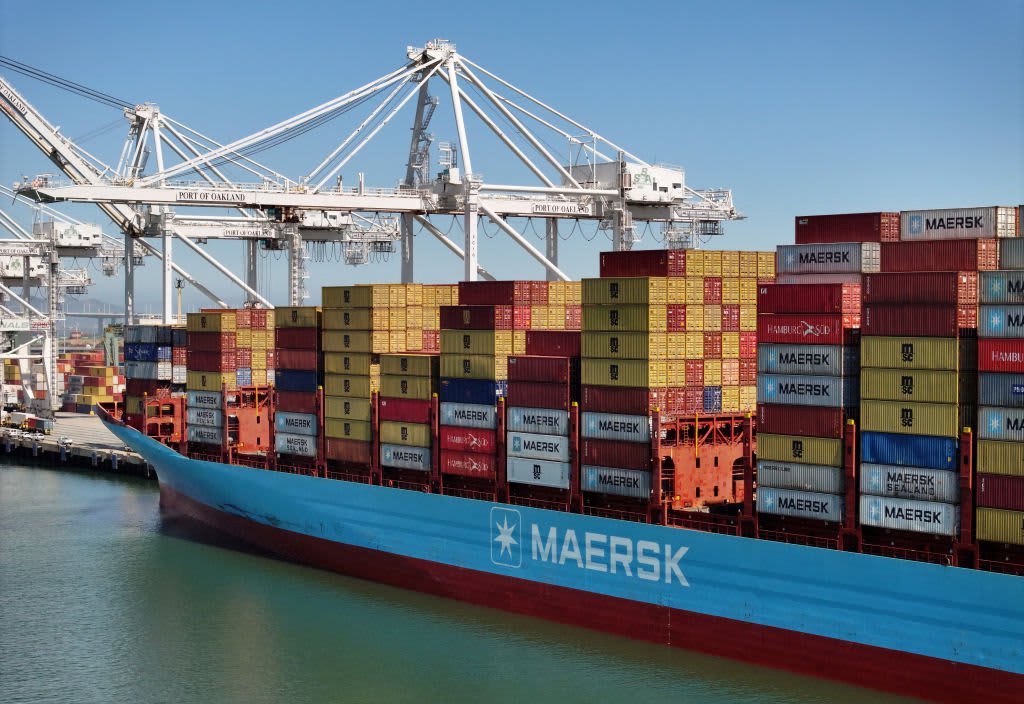
If you're an importer or just someone with a keen interest in logistics, you'll want to keep a close watch on the ocean right now. Maersk, the Danish giant that moves a huge chunk of global trade, has just pulled the plug on two key operations. Over the last few hours, whispers in the logistics world have grown louder: the company has suspended two vital services in the Persian Gulf. The reason? The situation in the Middle East has become a powder keg, and no one wants to find their vessel caught in the middle. The die is cast: over 270,000 TEU – that's hundreds of thousands of containers – are now sitting idle at anchorage or have been diverted, with no clear idea of their final destination. Sources close to the matter suggest this is a precautionary measure that's set to continue for a while.
A Necessary Move: The Strait of Hormuz is Off-Limits
The A.P. Moller-Maersk group didn't take this decision lightly. The suspended routes are those that pass through the Strait of Hormuz, the critical chokepoint between the Gulf and the Indian Ocean. With tensions escalating between Iran and Israel, and naval vessels on patrol with missiles at the ready, transiting there is like playing Russian roulette. The priority for Maersk Line is the safety of its crews and cargo. But for those with goods in transit, the logistical nightmare is just beginning: bookings are closed, cargo is stuck at origin, and delivery times are now a huge question mark. Word from company insiders is that the coming days will be crucial in deciding whether to take the long way around the Cape of Good Hope.
From Pirates to Missiles: Lessons from the Maersk Alabama
This isn't the first time Maersk has found itself in the line of fire. Those with long memories will recall the hijacking of the Maersk Alabama back in 2009. Back then, it was Somali pirates who shook the world, a high-seas drama that even inspired a film starring Tom Hanks. Today's threat is less romantic and far more high-tech: no more skiffs with ladders, but drones and ballistic missiles. And while that 2009 incident was isolated, the entire region is now a minefield. The difference? It's what some call a "widespread war," and the risk is that any vessel could become a target. Veterans of the merchant navy still remember the tense night convoys, but this time, a whole fleet might not be enough to provide a shield.
Interestingly, many also know Maersk for a more peaceful reason. I'm talking about the iconic LEGO Maersk Train 10219, a set that enthusiasts have been hunting for years. A collector's item released back in 2011, it celebrated the historic link between the shipping line and the world of rail transport. While real-life containers sit idle at sea, you have to wonder how many little models are still doing the rounds on lounge room floors. It's a bit of bitter irony for collectors who now face delays getting their actual parcels.
Global Supply Chains in the Crosshairs: Rising Costs and Delays Ahead
And what does this mean for the rest of the world? Countries like New Zealand, heavily reliant on maritime trade, are on the front line. A huge volume of goods from Asia – from electronics and auto parts to clothing – travels on Maersk vessels or those of its partners. If Gulf routes are closed, ships will have to take the longer journey via the Cape of Good Hope, doubling both transit times and costs. And guess who ends up footing the bill? Businesses everywhere, already grappling with inflation, now face the prospect of even higher supply chain costs. Not to mention exports: our own machinery, wine, and food products headed for Gulf markets are now in a sort of logistical limbo. You can bet freight forwarders are having sleepless nights recalculating shipment schedules and potential penalties.
Here’s what Maersk's move means in practical terms:
- Booking Freezes: For routes heading to the UAE, Saudi Arabia, Qatar, and Kuwait, new bookings are temporarily suspended. No new reservations will be accepted until further notice.
- Rerouted Vessels: Ships already en route are being diverted to safe ports, with estimated delays of between 10 and 20 days depending on their location.
- Soaring Freight Rates: Industry experts are predicting a sharp spike in shipping costs, with ripple effects expected across the entire supply chain within the next week.
- Perishables at Risk: Reefer containers carrying food products could face spoilage if delays stretch beyond two weeks. Some importers are already scrambling to secure emergency cold storage.
What Happens Now? Fears of Another Supply Chain Meltdown
We live in an era where crises seem to pile up. Following the Suez Canal blockage and the pandemic, this latest closure threatens to reignite global delays. The market is waiting for signals from Washington and Tehran, but diplomacy is struggling to gain traction. The one certainty is that as long as the Strait of Hormuz remains a no-go zone, the Gulf will be a desert for container ships. And while the politicians talk, logistics professionals are burning the midnight oil trying to keep the wheels of industry turning. Because, let's face it, when the ships stop, the world stops. And this time, the hot wind blowing in from the Gulf isn't carrying sand – just bad news.