Clock change March 2026: we lose an hour, and what if it's the last time?
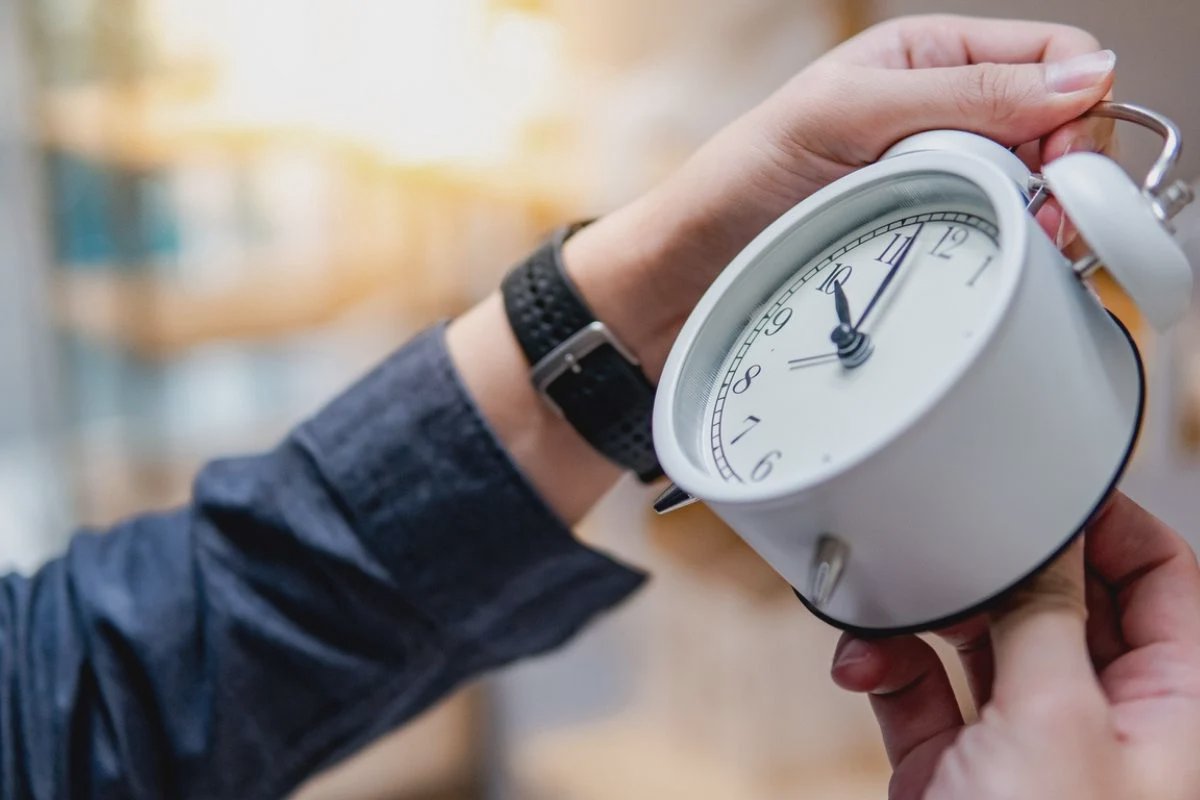
Tonight, we're all in for a little temporal amputation. In the early hours of Sunday morning, precisely at 2am, it will suddenly become 3am. We're switching to summer time. For many, it means groaning at the alarm clock when you realise sixty minutes of your precious sleep have been pinched. A proper scene from Les Misérables, morning edition, complete with black coffee and dark circles under your eyes.
I'm not telling you anything new: we know this clock-changing carousel inside out. Yet this March 2026 has a distinct whiff of "last time" about it. The debate, lingering like an old grudge, is resurfacing with unexpected vigour. Everyone's talking about it – at the coffee machine, in the baker's queue, and especially at community meetings.
A public meeting charged with tension
I spent Thursday evening at a public meeting organised in the 11th arrondissement. The official topic? "The future of the Paris region's time zone". Behind that bureaucratic title was a packed room, people of all ages, ready for a row. The deputy mayor in charge of public spaces got a proper grilling at the end of the session. When he mentioned a possible abolition of the clock change in 2027, a woman in the third row remarked, with a wry smile: "We already struggle to know what time it is with the RATP strikes, so if we stop changing the clocks altogether..." To be fair, she had a point. The atmosphere was electric, but filled with that good-natured grousing we Parisians are so fond of. You get the sense this isn't just some technocratic issue being debated in Brussels; it affects daily life – the evening light, the kids' tiredness.
Why this night of March 29th throws us off so much
We shouldn't underestimate the impact of this simple change. Sleep specialists, whom I happened to bump into at a bar counter after that famous meeting, say it can take our bodies up to a week to adjust. We're jumping from one thing to another, or rather from solar time to that later-than-expected time for an aperitif. To help you cope with the shock, here are a few tips from an old hand:
- From Friday onwards, go to bed 15 minutes earlier. Yes, I know, it's a pain, but it stops you looking like a zombie on Monday morning.
- On Saturday night, before you go to bed, remember to put your watches forward. Nothing worse than waking up an hour late on Sunday and missing out on the warm croissants.
- Get exposure to natural light as soon as you wake up on Sunday. A short walk, even if the weather's rubbish, to tell your brain: "right then, we're getting with the new programme, old son".
So, are we really going to call time on it?
The question comes around with every clock change: are we finally going to stop this circus? Europe talks about it, so does France, but as someone once said, "the more things change, the more they stay the same". Some want to stick with summer time all year round, others prefer winter time. Personally, I'm all for permanent aperitif o'clock, but I suspect the pro-curfew lobby might disagree. In the meantime, on Sunday, the clocks go forward. And on Monday, we'll all be a bit more tired, but with a lovely extra hour of evening light. Every cloud, right?