Arancha González Laya: The Wounds of Multilateralism in the Face of Trump's Trade Threat
In recent days, the name Arancha González Laya has been making waves again in political and economic circles. And for good reason: the former Spanish Foreign Minister has become one of the most lucid voices deciphering the perfect storm brewing in global trade. As Donald Trump threatens a new tariff front that would hit Spain and the rest of Europe hard, Laya's sharp perspective—with one foot in academia and the other on the frontline of international debate—demands our full attention.
The Fragility of Multilateralism, According to Laya
Just a few weeks ago, at a prestigious international forum, Arancha González Laya engaged in a high-voltage debate with a top-tier political analyst. The title of the discussion said it all: "Saving Multilateralism." Because if there's one thing Laya is clear about, it's that the rules-based international order—the one that took decades to build—is crumbling beneath our feet. This isn't a doom-and-gloom prediction; it's the stark realisation that with Trump back in the running for the White House, free trade as we knew it has entered its final phase. She articulates it with painful clarity: we are witnessing the funeral of the World Trade Organisation if Europeans don't wake up and act as a united bloc.
China's Turn and the Pitfall of Deglobalisation
Another key theme Laya has stressed in her recent talks—which ties directly into the lengthy title of a noteworthy conference, "China's Turn in the Trade War"—is that the conflict's axis is no longer just transatlantic. Beijing is watching with centuries-old patience as the US gets tangled up with its traditional allies. For Laya, the real danger isn't the latest tariff, but falling into the trap of forced deglobalisation. She prefers to talk about "de-risking", but with nuance: it's not about cutting off ties with China, but doing so without shooting ourselves in the foot. And that balance is precisely what European governments, including Spain's, just can't seem to find.
Wages, Inflation, and the Perfect Storm
The debate wouldn't be complete without the social dimension. In her most recent analysis, titled "De-Risking and Wageflation", Arancha González Laya issues a warning that should send a chill through the halls of any Finance Ministry: the combination of a trade war and the energy transition is sparking a bout of wageflation that's tough to manage. But let's be clear, this isn't a misstep: Laya isn't against wage increases. What she points out is that if Trump's tariffs make Spanish exports—like olive oil, wine, and pork—more expensive, companies will have less wiggle room, and jobs will eventually suffer. Back home in Spain, the major trade unions have already cried foul, calling for a coordinated European response to protect employment—exactly what Laya has been preaching for weeks at international gatherings.
And Where Does Spain Stand in All This?
While in Berlin some are pointing fingers at Merz's complicit silence in the face of Trump's bluster, here at home, Laya's voice stands out as a necessary counterpoint. It's not the first time the former minister has reminded us that due to its size and productive fabric, Spain is among the countries that could suffer most from a trade war of this magnitude. But unlike many analyses that stop at complaining, she proposes a clear roadmap:
- Strengthen Europe's strategic autonomy without resorting to foolish protectionism.
- Diversify trade partners beyond the US and China, looking towards Latin America and Africa.
- Protect the most vulnerable sectors with active industrial policies, not just throwing subsidies into a black hole.
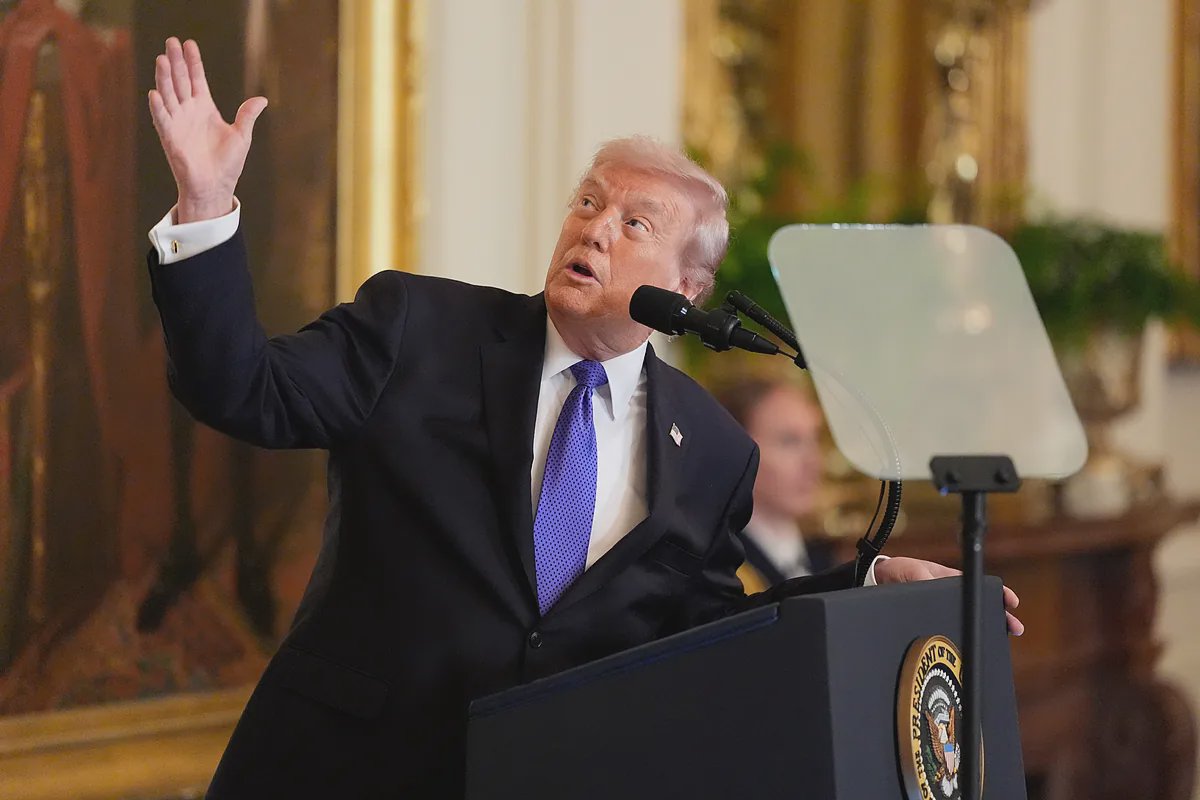
In short, when you listen to Arancha González Laya these days, you understand this isn't just another trade crisis. It's a symptom of a changing era, and she, with her unique blend of government experience and academic insight, has become the perfect interpreter of what's heading our way. Look at the photo accompanying this piece: that half-smile, that look that seems to be calculating three moves ahead. It's the expression of someone who's seen this movie before and is trying to warn us that, this time, the ending could be different if we don't get a move on rewriting the script.