USA: ‘No Kings’ Protests Against Trump – Thousands Take to the Streets
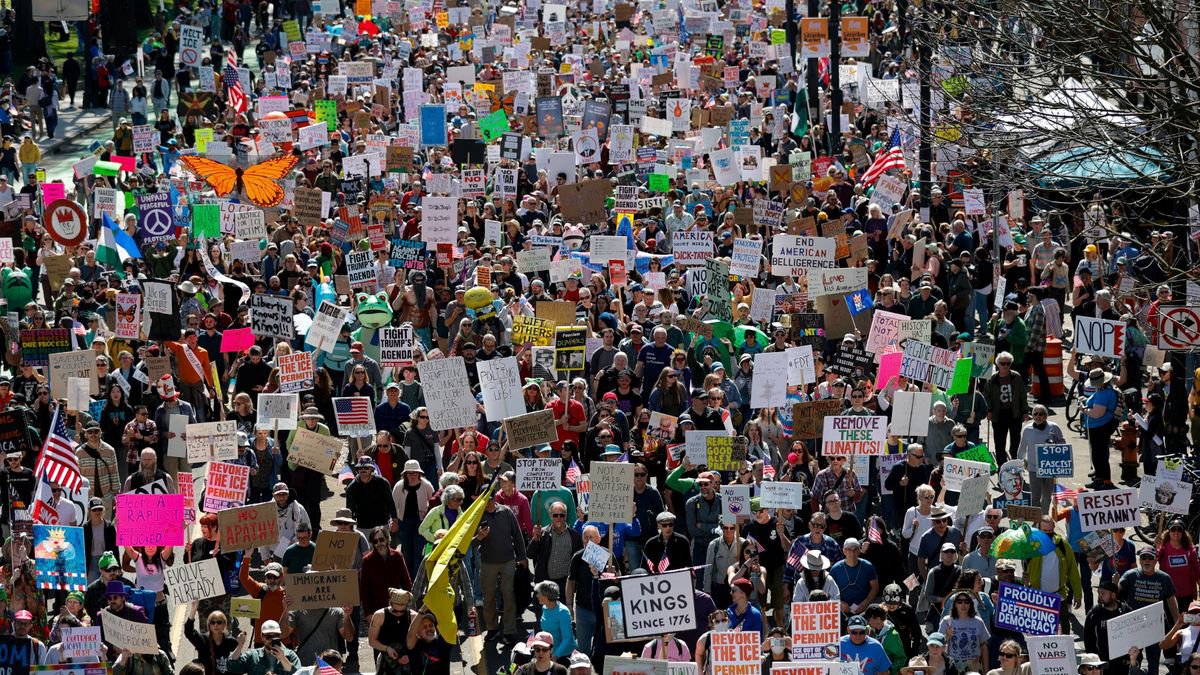
These are scenes that stick with you. From the East Coast to California, people are back out on the streets, and this time the chants are louder, the signs more provocative. The ‘No Kings’ protests against Donald Trump have gained a momentum in recent days that has surprised even the most seasoned observers of American politics. This isn't just the usual resistance from major cities; discontent is spreading across the country.
I get the sense that something different is building here compared to his first term. Between 2015 and 2017, the demonstrations often felt like a spontaneous reaction to shocking executive orders. This time, it’s different. There's a structure to it, a historical depth that calls to mind the great civil rights movements. One name that keeps coming up in these circles is that of historian Ta-Nehisi Coates. His book ‘We Were Eight Years in Power: An American Tragedy’ has become something of a bible for many. It sums up a widespread fear: that the fight for democracy never truly ends, and that the achievements of the past—especially the Obama years—can crumble faster than we'd like to think.
From War with Iran to the Constitution: The Many Faces of Protest
What strikes me most about these protests since 2024 is the wide range of reasons driving people into the streets. It's no longer just a single flashpoint, but a mix of deep-seated concern and outright anger. Talking to people in Washington, there's a consensus: this wave of protests against Donald Trump has become a rallying point for everyone who feels American democracy is veering into dangerous territory.
- Concern over the separation of powers: The ‘No Kings’ slogan is no longer just about individual laws; it speaks to the fundamental question of whether the U.S. is drifting toward authoritarianism. The judiciary is under attack, and Congress often appears to be sidelined.
- Foreign policy as a flashpoint: The anxiety over a potential war with Iran isn't just a matter of international diplomacy. For many here, it's proof that the executive branch is making decisions with historic consequences without the backing of the people. That scares them.
- Economic uncertainty: Forget the charts and stock market numbers. In states where industry is struggling, and among young people who can no longer afford a home, there's a growing feeling that politics is only serving its wealthy donors.
Just think about it: you have people protesting foreign policy in the Middle East, while right next to them, someone holds a sign quoting the Constitution. And it’s all under the common belief that democracy is not the property of any one person. I’ve been to some of these marches myself, and the energy is infectious—but also deeply unsettling.
A Movement Without a Master Plan?
The big question, of course, is: where does all this lead? Some warn it will deepen the country’s divisions. Others see it as a last stand from civil society before it’s too late. I remember the protests of 2016 well, when many thought it was just a temporary backlash. Now I know: the protests against Donald Trump since 2024 are a different beast entirely. They're more organized, more widespread, and—most importantly—they have a narrative backbone.
It's that blend of historical reflection, like Coates offers in his book, combined with the raw anger over current political decisions. On trains heading to Washington or in Portland coffee shops, people aren't just debating the latest headline; they're discussing how to keep a democracy ‘repairable.’ That's what makes this movement so powerful, and at the same time, so unpredictable for the establishment in Washington.