What Earthquakes Teach Us: From 311, the Indian Ocean Tsunami, to the Cebu Quake—The Shaking Memories Taiwanese Can’t Forget
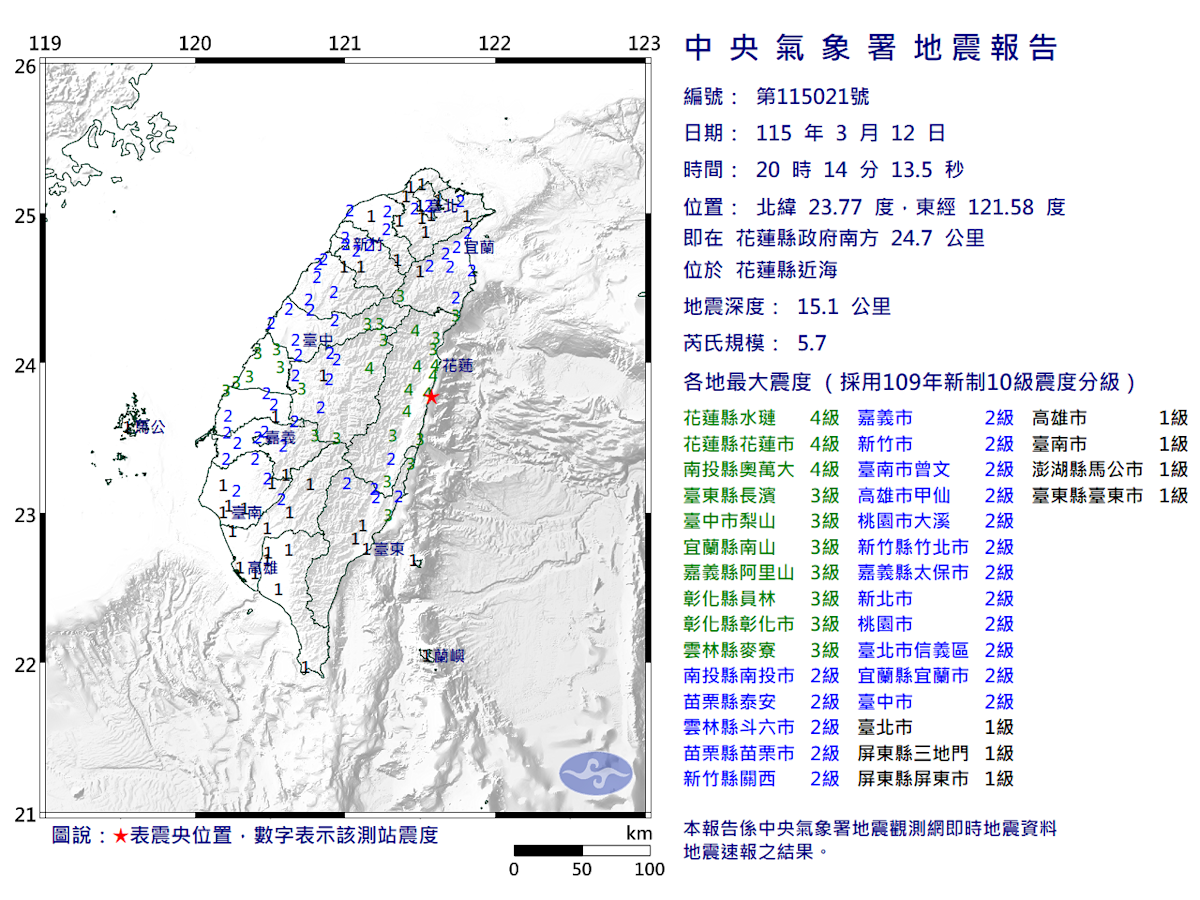
Everyone must have felt that shaking late last night, right? Even though it only lasted a few seconds, that sudden jolt to your system probably stuck with you for the rest of the night. Living in Taiwan, earthquakes are like that old acquaintance who just won't stay away—except this one has a bit of a temper, popping by every now and then just to remind us it's still there. Over the years, some tremors have left a mark you just can't forget.
That Night, Hualien Felt the Force
I remember back in , when a magnitude 5.7 earthquake hit Hualien. It reached a shaking intensity of Level 4 and was strongly felt as far away as Taipei and New Taipei City. I was watching TV in the living room when suddenly everything started spinning. The ceiling lights were swaying like crazy, and water sloshed all over the coffee table. Looking at the data later, it wasn't the strongest one, but for a lot of my friends in Taipei, that sudden jolt was their first real taste of "so this is what people in Hualien deal with." Later, when I chatted with folks from Hualien, they just laughed it off—they’re used to it. They stay cool under pressure and life goes on, but they never let their guard down. Being prepared is second nature to them.
Japan's 3/11: A Pain We'll Never Forget
When it comes to earthquakes, you absolutely have to talk about the 2011 Great East Japan Earthquake. I was in the office that afternoon when a news alert flashed across my screen: a massive 9.0-magnitude earthquake had struck off the coast of northeastern Japan. Over the next few hours, the world watched in horror as images of the tsunami swallowing entire towns played on a loop. Even though Taiwan is far away, everyone here felt completely helpless. Seeing those familiar streets turn into raging oceans—that feeling of powerlessness is still hard to shake. That event really woke people up in Taiwan. It drove home the point that we're all on the Pacific Ring of Fire, and a disaster on that scale is something none of us can ever say won't happen here.
The Indian Ocean Tsunami: A Catastrophe That Shook the Century
Going further back, the 2004 Indian Ocean earthquake, with its staggering magnitude of 9.1, triggered a tsunami that claimed over 230,000 lives. The internet wasn't what it is today, but TV news broadcast the devastating scenes from Thailand, Indonesia, and Sri Lanka over and over. Once-idyllic vacation beaches turned into nightmare landscapes in an instant. I remember my office organizing a donation drive, and everyone gave without a second thought. The impact was just that profound. Even now, seeing a documentary about it brings that sinking feeling right back.
The Cebu Earthquake: A Stark Reminder Close to Home
Bringing things closer to the present, the 2025 Cebu earthquake happened in the Philippines, but thanks to social media, the damage was broadcast worldwide instantly. Seeing those centuries-old churches crumble and the panic on people's faces really hit home—earthquakes truly don't respect borders. Taiwan and the Philippines share the same volatile tectonic neighborhood. The scene in Cebu could easily be our scene tomorrow. In the days that followed, a lot of my friends were seriously checking their emergency kits, and some even signed up for first aid courses. The feeling that "this could really happen" was stronger than ever before.
What the Shaking Teaches Us
Going through all these tremors and quakes, we've picked up a few lessons along the way. And it's pretty obvious to anyone that panicking is useless; being prepared is everything. Here are a few basic disaster preparedness tips I think are essential, and I wanted to share them:
- Secure Your Furniture: Anchor heavy dressers, bookcases, and TVs to the wall with L-brackets. During a quake, they can become deadly hazards.
- Pack an Emergency Kit: Keep it near your front door. It should include at least water, non-perishable food, a flashlight, a battery-powered radio, spare batteries, copies of ID, and some cash.
- Know the Drill: Drop, Cover, and Hold On: Your top priority is protecting your head. Don't rush to open doors or run outside during the shaking.
- Check Gas and Utilities: If you smell gas after a quake, shut off the main valve immediately and open windows. Never, ever use open flames.
- Rely on Official Info: Download the Central Weather Administration's earthquake early warning app to get accurate alerts right away. Don't get spooked by unverified rumors online.
Earthquakes are just a part of life on this land. We can't choose that, but we can choose how we face it. Hopefully, each tremor makes us a little more alert and brings us a little closer together. Next time the ground starts to roll, I hope we can all stand steady, and then just ask each other, "Hey, you okay?"