Care in Germany: More and more seniors can no longer afford a nursing home
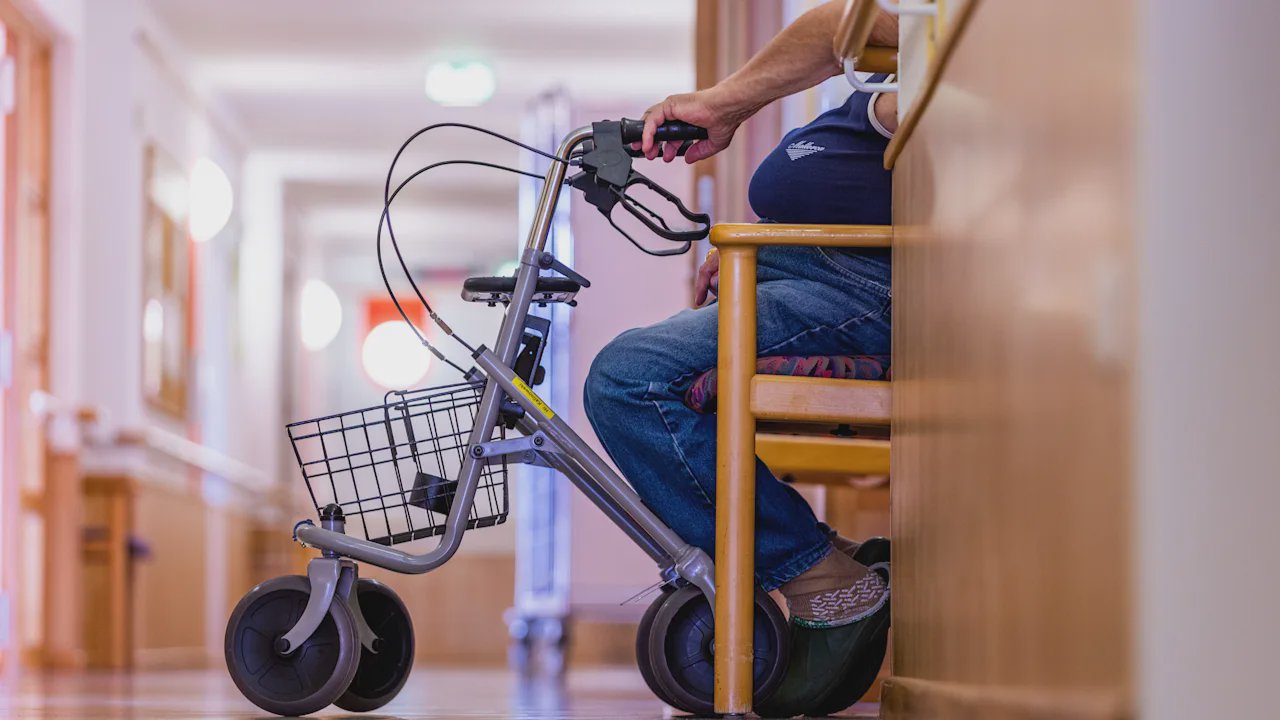
These are numbers that truly turn your stomach. The latest statistics on care in Germany are out, and they reveal a record-low that deeply worries me as someone who has lived here for over five decades. 37 per cent of all people in nursing homes now depend on welfare. One in three! This isn't just a figure from a government report – these are fathers, mothers, neighbours who worked their whole lives, paid into the system, and maybe even built a little house. And now, their money just doesn't stretch far enough.
When the pension isn't enough: The high cost of a nursing home bed
The math is actually quite simple, but the result is devastating. The cost of a spot in a nursing home is skyrocketing. We're talking monthly sums between $3,700 and $6,000 CAD – depending on the region and level of care. The public pension, on the other hand? It averages just over $2,200 CAD. That leaves a gap that more and more people simply can't close. People used to say, "You're set for your old age." Today, I have to say: for many, old age means financial freefall.
What's particularly insidious: It doesn't just hit those who had little to begin with. Even people who own a small house or have some savings set aside quickly find themselves wiped out. You have to use up your own assets first before the state steps in. I often hear this from acquaintances whose parents are now in a home: "They scrimped and saved every penny their entire lives, and now it's all gone." It's heartbreaking.
Health experts sound the alarm: 'Care collapse' looming
Leading representatives of health insurance funds have been warning of a care collapse for months. And they're right. The current welfare dependency rate is the highest we've ever seen. It's the pulse monitor of a society failing its oldest members. But what's the exact cause? The answer is complex, but the main culprits are easy to identify:
- Rising staff costs: We urgently need more caregivers. To attract and retain them, wages have to go up. This is right and important, but it automatically leads to higher nursing home fees.
- Inflation and energy costs: The homes themselves are struggling with exploding prices for electricity, heating, and food. These costs are also passed on to residents.
- Staff shortage: This point is the real core of the problem. We simply lack the hands to provide care. Fewer and fewer young people want to do this brutally hard job.
And the shortage of care staff is no longer just affecting nursing homes. Those who are cared for at home – so-called home care – often face an even bigger problem. Family members are overwhelmed, and finding an outpatient care service with any capacity left is a gamble in many regions. The local caregiver who just pops in briefly is becoming a thing of the past.
From cradle to grave: The system is cracking
Sometimes I get the feeling this care shortage permeates every aspect of life. The situation in foster care is also alarming. There's a desperate shortage of families and professionals to look after children who are having a tough time. The youngest, who most need our protection, fall through the same cracks as the very elderly. Simply because the basic conditions are catastrophic. Who would willingly put themselves through that these days? The pay is often meagre, recognition is practically zero, and the stress is immense.
It can't be right that in one of the richest countries in the world, we abandon our elderly and most vulnerable like this. Politicians have been talking about care reforms, relief, and better pay for years. Far too little has actually been done. Care in this country doesn't need Sunday speeches; it needs action. Otherwise, the 37 per cent we see today will become the norm in a few years – and a complete collapse will only be a matter of time.