Iran Launches Missile Strike on Saudi Arabia: 'Trust Is Gone' as Kingdom Weighs Military Response
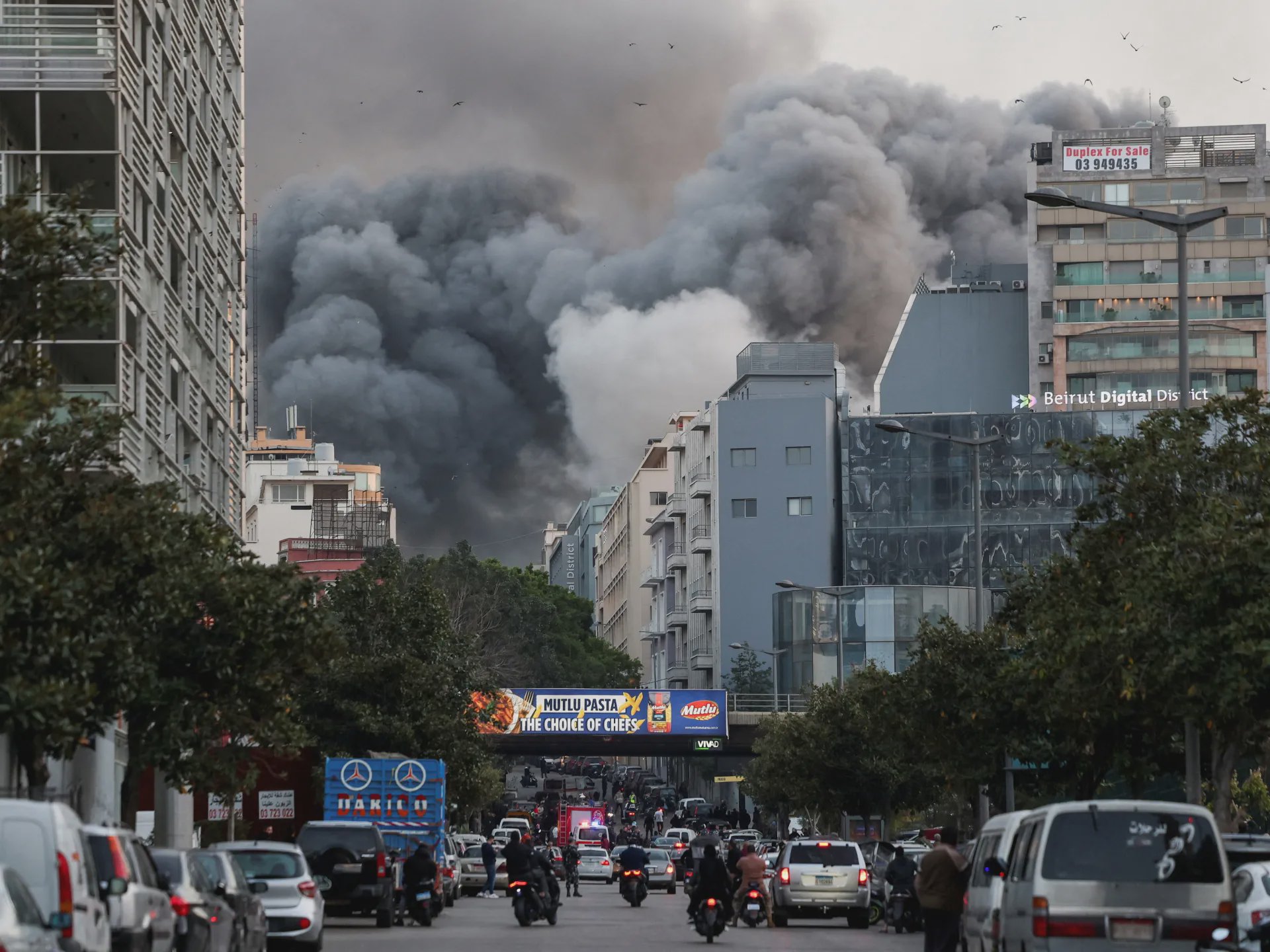
You know that awful feeling when you've just patched things up with a neighbour, only for them to turn around and hurl a brick through your window? That's the gut-wrenching reality hitting Riyadh this morning. Having covered this region long enough to decode diplomatic speak, I can tell you—when Saudi Arabia's Foreign Minister Prince Faisal bin Farhan fronted the press on Thursday and declared that "trust" is well and truly gone, seasoned observers knew this wasn't just diplomatic theatre anymore.
We're now on Day 20 of the US-Israeli campaign against Iran, and for the first time, the House of Saud is openly talking about striking back—militarily. This isn't a drill. This is the Gulf teetering on the edge.
The Night the Sirens Woke Riyadh
Picture this. Top diplomats from around a dozen nations—including Turkey, Jordan and Qatar—had gathered at a Riyadh hotel for a crisis meeting on the Iran war. As they sat discussing de-escalation, the sky literally lit up above them. Interceptors were launched directly overhead to knock down ballistic missiles screaming towards the Saudi capital. You couldn't script that kind of dramatic irony.
These weren't stray drones. Wednesday night's barrage specifically targeted the kingdom. Saudi air defence confirmed it had destroyed four ballistic missiles aimed at Riyadh, with debris crashing near a refinery south of the city. For many long-term residents, it was the first time they felt that particular chill—getting a text alert to take cover.
But the missile that struck the world's confidence in Saudi-Iranian relations landed just as hard. Bin Farhan didn't mince words: "This pressure from Iran will backfire politically and morally and certainly we reserve the right to take military actions if deemed necessary." For a kingdom that has spent the last three years trying to mend fences with Tehran—they re-established ties back in 2023, remember?—this is the sound of that détente well and truly shattering.
The Energy War Has Begun
The immediate trigger? A massive strike on the South Pars gas field—the world's largest—which Tehran blamed on its adversaries. Iran's retaliation was swift and terrifyingly logical: if you hit our energy, we hit everyone's energy. And they followed through on that threat, firing missiles at Qatar and Saudi Arabia, vowing to go after oil and gas targets right across the Gulf.
This isn't just about military bases anymore. In the first two weeks of March alone, we logged at least 25 Iranian attacks on US-linked sites, including embassies in Saudi Arabia and Kuwait. But the real worry is the 16 Iranian strikes on oil and gas fields across seven different Gulf states. We're seeing a strategic shift:
- Energy infrastructure is now a primary battlefield. The UAE's Ruwais refinery—one of the globe's largest—had to shut down as a precaution.
- Diplomatic compounds are no longer safe havens. The US and Canadian embassies in Riyadh suspended operations after attacks.
- Air bases are pinned down. Qatar's Al-Udeid and the UAE's Al Dhafra—major US operation hubs—have been hit multiple times.
Reading the 'Bin Laden Papers' in a New Light
While the missiles fly, the strategic thinkers in the Gulf are probably dusting off a certain book: "The Bin Laden Papers: How the Abbottabad Raid Revealed the Truth about Al-Qaeda, Its Leader, and His Family." It might feel like ancient history, but those 6,000 pages of al-Qaeda's internal letters, recovered in the 2011 raid, laid bare the terror group's deep-seated hostility toward Saudi Arabia and Iran.
Why does that matter now? Because it's a stark reminder that in this sandbox, yesterday's enemy can become today's frenemy, but the underlying sectarian and ideological fractures never fully heal. Iran's current actions—branded by Riyadh as "premeditated hostile actions" backed by proxies—are forcing Gulf states to remember where their fundamental loyalties lie.
The Kurdish Wildcard and the Spectre of a Wider War
Meanwhile, there's chatter that sends shivers down the spine of anyone who remembers the chaos of the last two decades: the possibility of Washington arming Kurdish opposition forces to pressure Tehran. Rumours are circulating about direct talks with Kurdish leaders. On paper, it makes tactical sense—low US footprint, maximum disruption. But as veteran Gulf watchers will tell you, this is the kind of reckless thinking that gave us the blowback in Afghanistan and Syria.
Iran's Revolutionary Guard is already launching pre-emptive strikes on Kurdish positions with dozens of drones. If Washington green-lights a full-scale insurgency, we're not just looking at a war; we're looking at the potential balkanisation of Iran, with millions of refugees and a chokehold on the Strait of Hormuz tightening as the regime fights for its survival.
Where Do We Go From Here?
Saudi Arabia is still paying lip service to diplomacy. But Bin Farhan's warning was crystal clear: "If Iran does not stop immediately I think there will be almost nothing that can re-establish trust."
When trust evaporates in the Gulf, the default position is never peace—it's preparing for the next round. The UAE has already withdrawn its ambassador from Tehran. Embassies are shuttered from Beirut to Bahrain. Washington has upgraded travel warnings to "Do Not Travel" for most of the region.
For the average person in Riyadh, Dubai, or even Sydney watching the news over breakfast, this means one thing: the conflict we all hoped would stay "over there" just got a whole lot closer. And with the world's energy supply now squarely in the firing line, the ripple effects are going to be felt far beyond the Middle East.