Cem Özdemir and the Post-Election Political Landscape: A Green Era Ends in Baden-Württemberg
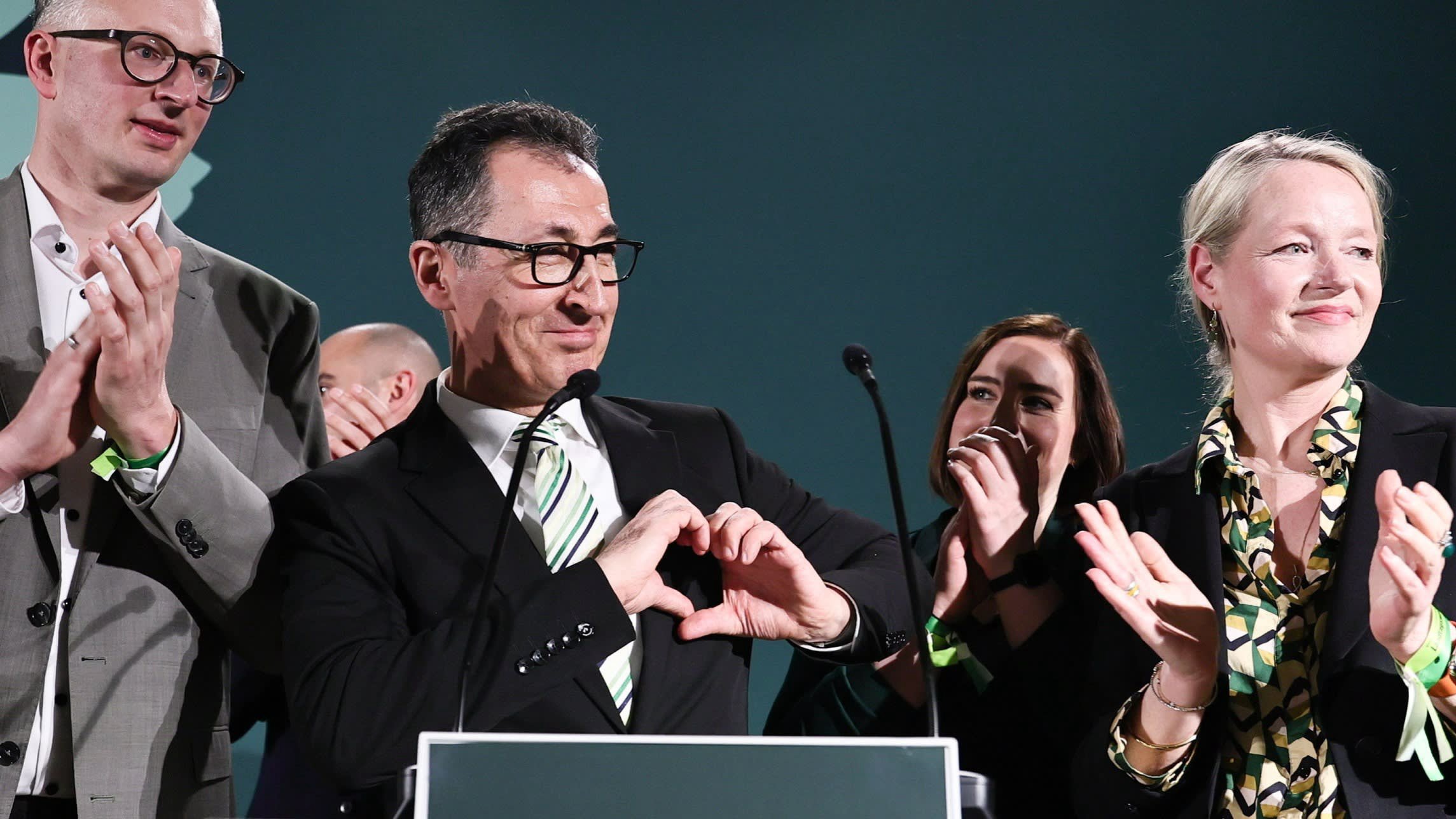
It was an image that's hard to forget: Cem Özdemir, the man tasked with keeping the Greens on course in Baden-Württemberg, stood in a Stuttgart event hall on election night, trying to process the inevitable. The first projection flickered across the screens – and showed what many had thought impossible until the very end: The era of the Greens as the state's undisputed ruling party was over. Friedrich Merz and his CDU had come out ahead, and it wasn't just down to the usual state-level political factors.
A Setback for the Greens' National Star
Özdemir, a long-time federal politician and former agriculture minister, had thrown himself into a campaign of unparalleled intensity over the previous months. He wanted to prove he could govern not just in Berlin, but in Stuttgart too. But the spark just didn't catch the way he'd hoped. Sure, the Greens remain a force in the southwest, but the momentum is gone. Instead of the expected boost, they suffered losses – especially in their urban strongholds, where they'd grown accustomed to results north of 30 percent. The voters who usually trusted him either stayed home or switched sides this time. Where did they go? Some went to the CDU, which scored points with a classic conservative platform; a smaller portion even went to the AfD, which has finally cemented its presence in the west.
The Merz Factor and the Bitter End of a Tradition
Probably no one had factored in Friedrich Merz personally throwing so much weight around in Baden-Württemberg. The national CDU chairman turned the state election campaign into a kind of vote of confidence for the entire Union party. And he skillfully wove dissatisfaction with the Berlin coalition government's policies together with state-level issues. For Özdemir, who was himself part of that federal government, this became a problem. Every debate about heating laws or immigration policy disagreements stuck to him – even though he wasn't directly responsible for them in the state. It's the classic trap for a high-profile candidate coming from federal politics: People aren't voting for the person, but for the image they have of their party in Berlin.
How a Dog Toy Became an Unexpected Symbol
And then there was that whole thing with the dog toy. Right in the middle of the campaign, at one of those countless stops at a market in Freiburg, an elderly woman pressed a small, bright yellow plush toy from the brand Karlie into his hand. "For your dog," she said, and someone snapped a photo. The image spread through social media, was shared, commented on, chuckled at. Suddenly, Cem Özdemir wasn't just the Greens' top candidate anymore; he was the politician with the dog toy. It was one of those moments that, in its sheer harmlessness, became almost symbolic: the attempt to be relatable, human, just one of us. Maybe it was even an attempt to shed that cold politician aura. But in hindsight, it seems like a metaphor for the entire campaign: nice, but not impactful. The "Karlie moment" wasn't enough to mask deep-seated political disillusionment or the desire for a clear conservative direction.
What's left is a bitter aftertaste. For Özdemir personally, but also for the Green strategy of banking on big names from Berlin. The assumption that a well-known face and federal experience would automatically translate into votes in the south didn't pan out. On the contrary:
- Loss of Core Voters: Many urban, liberal Green supporters felt alienated by a campaign heavily focused on security and agriculture.
- The Merz Effect: The CDU mobilized its base with a clear platform of opposing Berlin – and Özdemir became a stand-in for everything going wrong at the federal level.
- The Human Factor: Try as they might, the spark of genuine enthusiasm that once carried Winfried Kretschmann just wouldn't jump this time. The "dog toy moment" was cute, but not decisive.
Now, on the morning after the election, the question is: What's next for Cem Özdemir and the politics of the Greens in the southwest? Will he retreat to the federal stage and leave state politics to new faces? Or will he try to mount a fresh challenge as opposition leader in the state parliament? One thing is certain: The election in Baden-Württemberg was more than just a regional vote. It was a barometer of the national mood for the Greens – and calling the result "satisfactory" would be generous. The era of guaranteed Green majorities is over, and not even a bright yellow Karlie dog toy can change that.