Current Swiss Gas Prices: Rising Due to Iran Conflict – TCS Tips to Save
Anyone pulling into a gas station these days feels it directly in their wallet: Swiss gas prices are on the rise again. What many drivers are already noticing at the pump has a solid political background. The escalation in the Middle East and the subsequent blockade of the Strait of Hormuz are driving oil prices up worldwide – and Switzerland is no exception.
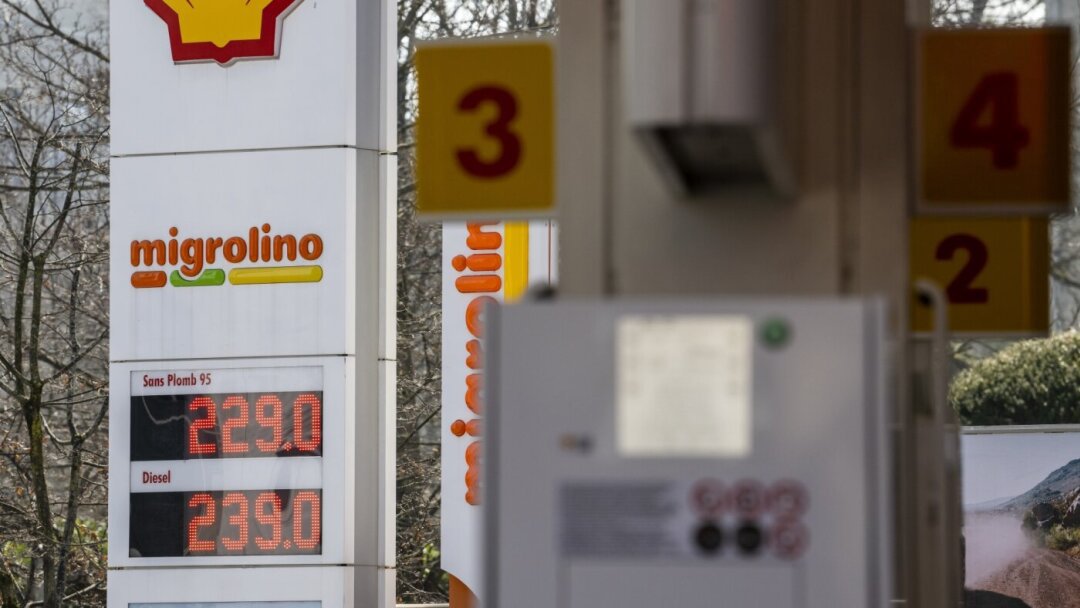
Here's Why Filling Up Is Getting More Expensive Now
The Strait of Hormuz is one of the world's most crucial waterways. About a fifth of global oil trade passes through it. Recent combat operations and announcements from Tehran have massively disrupted supply chains. The result: The price of crude oil has simply exploded within a few days. Even though the gas we're pumping today was bought and refined weeks ago, importers are passing on the increased procurement costs to us consumers with a certain delay. So, it's less about "price gouging," as some drivers mutter at the register, and more about the knock-on effect of international markets. The first wave hit us back in late February, and it won't be the last.
Two-Franc Mark in Sight?
The big question on everyone's mind now is: How high will Swiss gas prices go? Experts at Avenergy Suisse expect we could soon see the two-franc-per-liter mark again. Roland Bilang, the director of the industry association, warns that prices will continue to climb in the coming days and weeks. The last time we saw levels like this was during the energy crisis following the Ukraine war, when prices briefly shot up to over 2.20 francs. Then, as now, the situation is clear: Geopolitical crises make the cash registers ring for oil companies – and drivers end up footing the bill. The "Mr. Price," Stefan Meierhans, can only watch helplessly, as he lacks the legal means to counter these "opportunistic" price jumps, as was recently made clear in an interview. Nicolas Pages, an independent energy economist, also sees a bleak picture: "Uncertainty remains the biggest price driver – and the markets react to it like a Frankenstein's monster that's nearly impossible to control."
The TCS as Your Navigator Through the Price Chaos
But we're not as helpless as it might sound. The TCS - Touring Club Switzerland offers an excellent tool with its fuel price radar for hunting down bargains. Because one thing is clear: The Comparis Switzerland fuel price (and similar comparison tools) consistently show that the differences are enormous. If you just pull into the nearest highway rest stop, you'll get ripped off. But if you do a little searching, you can save a significant amount. Here are a few strategies to fight back against the madness:
- Avoid the highway: Gas stations along national roads are traditionally the most expensive. Prices there can easily exceed two francs, while it's significantly cheaper in the next town over.
- Use comparison apps: Whether it's the TCS radar or services like Cheap Fuel Prices — Fillzz – a quick glance at your phone before heading out can save real money. The comparison pays off, especially near the border or in areas with many gas stations.
- Canton-hopping saves cash: The TCS analysis for 2025 shows that you can fill up with unleaded 95 and 98 cheapest in Basel-Land and Jura. It gets expensive in Uri or Geneva, though. And if you really want to save, drive to Samnaun – thanks to its customs exclusion zone, fuel there is unbeatable, even if the municipality is often excluded from statistics.
- Don't be surprised by regional differences: Pricing policies are often non-transparent. While Migrol has already openly communicated the price hikes, others like Agrola or Avia are playing their cards close to their chests, pointing to regional cooperatives that make their own decisions.
A Look at the Current Numbers
To put this all into perspective: At the beginning of February, the average price for a liter of unleaded 95 was around 1.67 francs. Those days are over for now. Many gas stations, like those at Coop Pronto, have already hiked prices to 1.75 francs. And it will continue. I'd bet that within the next two weeks, we'll see the two-franc mark in many places. The situation is dynamic, and hopes for a quick end to the conflict have unfortunately faded. Uncertainty remains the biggest price driver.
So stay vigilant, compare prices – maybe you'll even discover a gas station or two that hasn't raised theirs yet. In times like these, filling up becomes a strategic task.