Federal Pensions Service demands hundreds of thousands back from Brussels attack victims: 'They are in a state of panic'
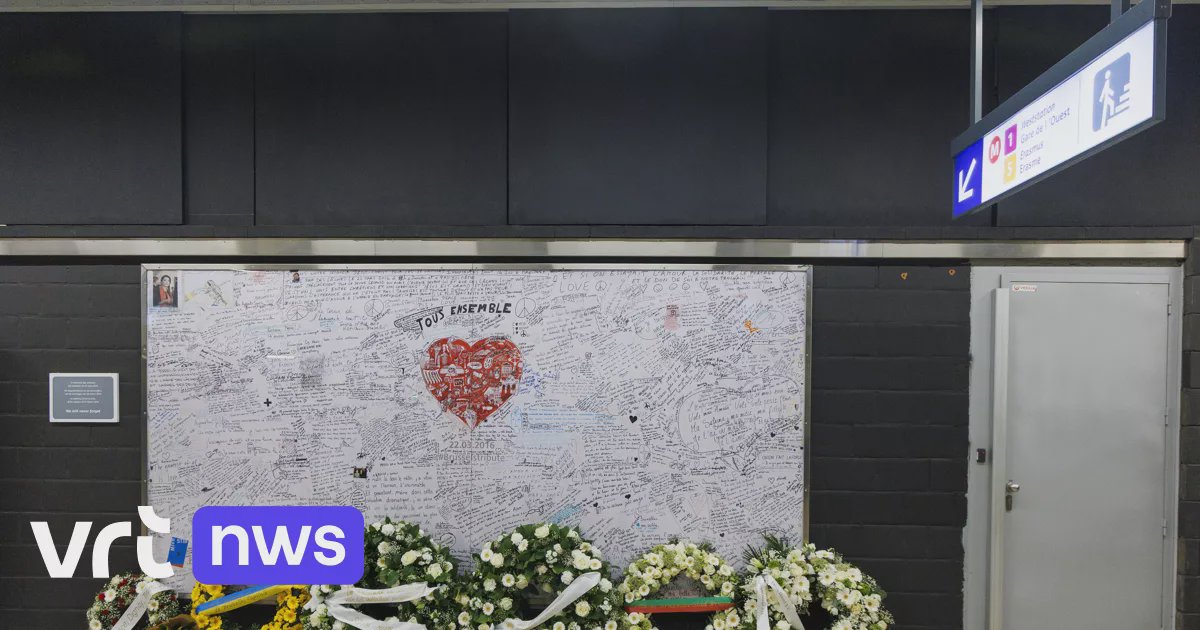
It has been ten years since the bombs went off in Zaventem and Maalbeek, but for many victims, the nightmare is still far from over. Today, they were dealt another blow: the Federal Pensions Service (the former Rijksdienst voor Pensioenen) is demanding that they repay hundreds of thousands of euros. As if the scars and trauma weren't enough, they now also have to fear for their financial future. I have spoken with several of those affected in the past few hours, and the despair is palpable.
A letter that shatters lives
It all started with an official letter landing on their doormats. People like Mohamed, who was hit by shrapnel all over his body during the airport attack, thought the worst was behind them. For years, they received a so-called recovery pension from the Federal Pensions Service, intended to compensate for their loss of income and permanent injuries. But now, out of the blue, the government agency is cutting them off. Not only is the payment stopping, but they also have to repay all the money they received over the past few years. For Mohamed alone, this amounts to more than 200,000 euros. "I don't have that money anymore, not by a long shot," he says, his voice breaking. "I used it to pay for my adapted home, therapies, medical expenses. Do I have to sell my house now?"
How can this happen?
According to the Federal Pensions Service, this is an "administrative correction". It appears that the recovery pensions continued to be paid out while victims were also receiving other compensations, for instance from the National Institute for Sickness and Disability Insurance or through court settlements. The service claims there was double payment and that they are legally obliged to recover the money. Legally, it might be correct, but morally, this makes no sense. These are not fraudsters; these are people who have been through hell on earth.
Victims in a state of shock
Panic spread immediately within victim support groups. Many have been living on a financial tightrope for years, dealing with medical issues and psychological problems. And now this. Here are a few of the reactions I heard:
- A mother who lost her daughter in the Maalbeek metro: she has to repay 150,000 euros, money she will never be able to scrape together.
- A man who lost both legs: he used his pension to pay for prosthetics, and now faces a massive debt.
- A young woman with severe brain damage: her guardian fears she will end up on welfare, because the care she needs is unaffordable without that pension.
They feel abandoned by the government that once promised they would be well taken care of. "We are victims of terrorism, and now we are being victimised again, this time by our own state," one person sighed.
What now?
Politicians have already called for the recovery demands to be stopped immediately. Questions are being asked in parliament to the Minister of Pensions. But for now, the Federal Pensions Service is standing firm: the law is the law. Yet, the realisation is dawning that this is an inhumane situation. How can you ask people who have survived hell to cough up hundreds of thousands of euros? Many simply do not have that much money, and a forced sale of their homes would mean another disaster. The coming weeks will show whether political intervention occurs. One thing is certain: these people deserve compassion, not a bailiff.