Oil Prices Burning a Hole in Your Pocket? Here’s Why They're Rising, How the Government is Stepping In, and Your Survival Guide to Saving Money
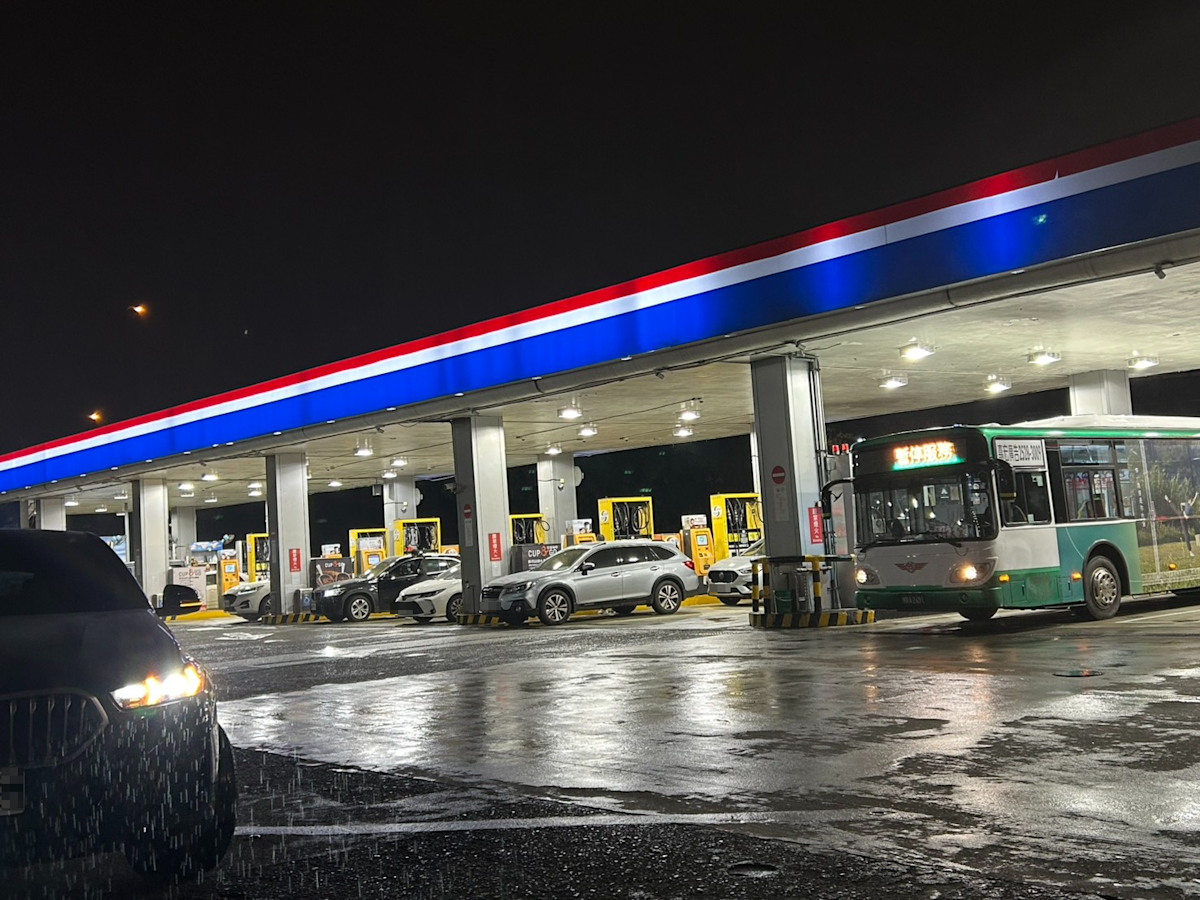
Riding to the petrol station this week, the price for 95 unleaded nearly knocked me off my bike. Hadn't they just hiked prices last month? Now it's jumped again by over a euro? The attendant, busy with the pump, didn't even look up. "It's the trouble in the Middle East, love," she said. "This is only the start."
And she's right. This spike in oil prices is a direct result of the pressure cooker situation in the Middle East. The ongoing conflict between Israel and Hamas has major oil-producing nations on edge. Any hiccup in supply, and global prices shoot up. Ireland imports most of its energy, so these global tremors are felt directly at the pumps.
Government Intervention: Capping the Damage on Fuel and Energy Bills
Older generations might recall even more brutal price surges from the past. At least now we have a government mechanism to help stabilise fuel and electricity costs. This time, the national fuel operator has already activated its stabilisation measures, absorbing some of the increase. Without it, prices at the pump would be even more shocking. Let's be real, this isn't just kindness; it's to prevent a chain reaction of price hikes across the board. When fuel costs go up, everything follows – your grocery shop, your takeaway, delivery fees – you name it.
One small bit of relief is that besides petrol, there's also movement on the electricity front, which has everyone worried. While a hike was expected from April 1st, the latest signal is that electricity prices are now likely to be frozen in April. It might be temporary, but at least this spring we don't have to fear the heating bill skyrocketing before we've even used the heating. How long this tactic of "freezing prices to keep the public happy" can last is anyone's guess. It all depends on when that ticking time bomb in the Middle East gets defused.
Your Survival Guide: How to Handle the Rising Costs
We can't control geopolitics, and government measures often feel like a painkiller rather than a cure. So, what can we actually do? I've gathered a few clever tips from some serious "fuel misers" I know that might help ease the strain on your wallet:
- Sort your tyres, save your fuel. Under-inflated tyres create more friction with the road, meaning your engine has to work harder. That's fuel silently draining away. Check your tyre pressure at least once a month – you can do it for free when you're filling up or at a garage.
- Cut the idle, turn it off. Lots of drivers, like taxi drivers waiting for a fare, leave the engine running. But modern cars aren't that delicate. If you're stopped for more than a minute, switching off the engine saves more fuel than idling. Waiting for someone or stuck in a long drive-thru queue? If it's over three minutes, just turn it off.
- Get savvy with fuel discount apps. Plenty of bank cards and payment apps offer cashback or discounts on fuel. It might only be a few cents per litre, but it all adds up. Over a year, that's the price of a few good takeaways. Make it a habit to check your phone for offers before you fill up, and use the app to pay.
- Walk more, it does you good. Popping to the local shops for milk? Consider walking or grabbing a bike. You'll save on fuel, avoid the hassle of parking, and get your steps in. A win-win.
At the end of the day, this period of high oil prices probably isn't going away in a month or two. As long as the conflict in the Middle East continues, prices will likely stay high. What we can do is watch our spending and make every drop of fuel count. Think of the government's price stabilisation as a small umbrella in a storm – handy if it holds up, but if it doesn't, we've got our own money-saving tricks to fall back on.