Gas Prices Climbing Again? Understanding the Reasons Behind the Hike, Government Relief Measures, and Smart Savings
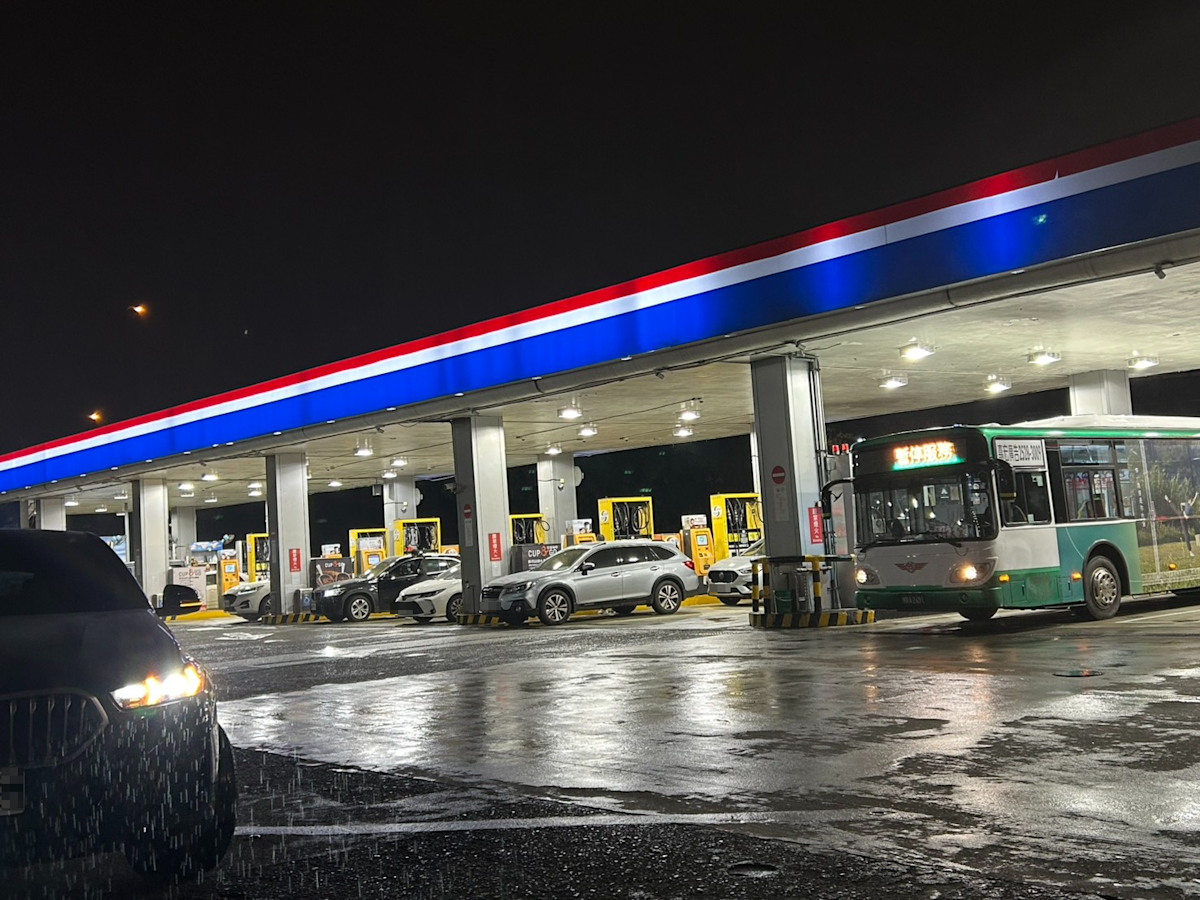
Riding my scooter to the gas station this week, the price for regular unleaded nearly knocked me off my seat. Didn't we just see a hike last month? Now it's jumped again by over a dollar. The attendant, busy with the pump, casually said over her shoulder, "Buddy, with the conflicts in the Middle East, this is just the beginning."
She's not wrong. This latest oil price surge is directly linked to that boiling pot of tension in the Middle East. The ongoing conflict between Israel and Hamas has major oil-producing neighbours on edge. Any hiccup in supply, and global prices shoot up like a rocket. Canada, as a major oil producer and exporter, isn't immune to these global market shocks, and we definitely feel it at the pumps.
Talk to any long-time driver, and they'll likely recall the truly terrifying gas hikes of the past. The good news is that we now have mechanisms in place to soften the blow. Think of it as a shock absorber for your wallet. The goal isn't just to be nice; it's to prevent a chain reaction of price increases on everything from your grocery bill to that takeout coffee, because when transport costs go up, everything else follows.
And here's a bit of relief: aside from gas, the feared spike in electricity rates for April is now off the table. It looks like electricity rates will be frozen for now. It might be temporary, but at least we don't have to dread opening our hydro bill this spring before we've even turned on the AC. How long these measures can last, though, really depends on whether that geopolitical time bomb in the Middle East gets defused.
So, we can't control world events, and government help is more of a band-aid than a cure. What can we actually do? I've rounded up some top tips from fuel-savvy pros to help give your wallet a break:
- Keep your tires in check, and you'll save at the pump. Under-inflated tires create more friction with the road, forcing your engine to work harder and guzzle more gas. Make it a habit to check your tire pressure at least once a month – it's an easy, cost-free way to boost efficiency, especially when you're already getting service.
- Ditch idling. Just turn it off. You often see delivery drivers or people waiting with their engines running, but modern cars don't need that. If you're stopped for more than a minute – whether waiting to pick someone up or grabbing a coffee – turning off the engine saves more fuel than letting it idle.
- Become best friends with gas rebate apps. Plenty of bank credit cards and payment apps offer cash back or per-litre discounts on fuel. It might seem small, but those cents add up quickly over a year. Make it a routine: quick scroll for the best offer before you fill up, and maybe even scan a receipt app after – it becomes second nature.
- Walk or bike for short trips. Heading to the corner store for milk or running a quick errand? Consider walking or hopping on a bike share. You'll skip the hunt for parking, get some fresh air and steps in, and save fuel. It's a win-win.
Let's be real: this period of high oil prices probably isn't ending anytime soon. As long as global tensions simmer, prices will likely stay elevated. What we can control is how we adapt. It's about being smart, making every litre count, and keeping our own finances in check. Think of government relief as a bit of shelter in the storm. If it holds, great. If not, we've got our own set of savvy strategies to fight back.