Rising Gas Prices Squeeze Your Wallet? Causes of the Oil Hike, Government Price Caps, and Money-Saving Tips
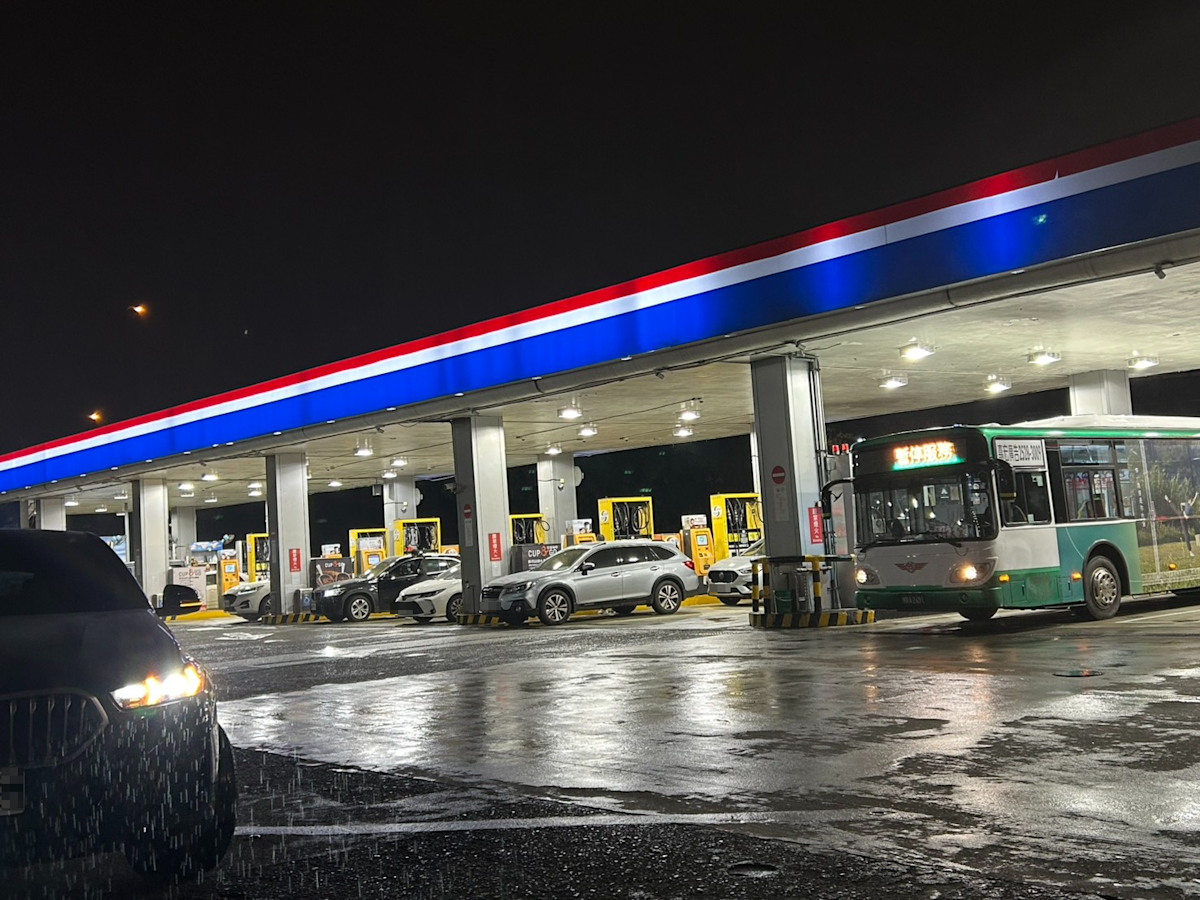
Pulling up to the pump this week to fill up my scooter, I almost fell off when I saw the price for 95 unleaded. I swear they just raised it last month, and now it's jumped another fifteen cents per liter? The attendant, a seasoned woman, started fueling without even looking up and said, "Kid, there's a war going on in the Middle East. This is just the beginning."
And she's right. This latest surge in oil prices is directly linked to that pressure cooker about to blow over in the Middle East. The ongoing conflict between Israel and Hamas shows no sign of stopping, putting major oil-producing nations in the region on edge. Any hint of disruption on the supply side sends international crude prices rocketing. With over 90% of our energy imported, Taiwan's gas tanks are the first to feel the heat.
Government Intervention: Activating the Fuel and Electricity Price Cap Mechanism
At this point, the older generation might shake their heads and say, "You think this is bad? You should've seen the oil crises back in the day." It's true; at least now the government has a price stabilization mechanism for fuel and electricity in place. CPC Corporation, Taiwan's state-owned oil refiner, has already activated its price stabilization measures, absorbing some of the increases. Without it, the prices at the pump would be way more terrifying. It's pretty clear this isn't just the government being benevolent; it's an attempt to prevent a chain reaction of price hikes across the board. When gas prices go up, everything follows – your lunchbox, street food, online shopping shipping fees – nothing escapes.
One small piece of relief, besides gas, concerns the electricity rates everyone's been dreading. While it seemed certain that electricity prices would jump on April 1st, the latest indications are leaning towards a freeze on April electricity rates. It might be temporary, but at least this spring, we don't have to worry about our electricity bills exploding before we even turn on the A/C. However, how long this "freeze for public favor" tactic can last is anyone's guess. Ultimately, it all depends on when that ticking time bomb in the Middle East gets defused.
A Survival Guide for the Average Person: How to Handle the Price Hikes?
Since we can't control international geopolitics, and the government's mechanisms feel more like a "painkiller" than a "cure," what can we ordinary folks actually do? I've gathered a few practical tips from friends who are total pros at saving gas. Maybe they can help ease the pain on your wallet:
- Keep your tires in check, and you'll save fuel. When tire pressure is low, the friction with the road increases, forcing your engine to work harder – and that's how fuel quietly disappears. Check your tire pressure at least once a month. Top them off during routine maintenance; it costs almost nothing.
- Reduce idling – just turn it off. Many taxi drivers have a habit of leaving the engine running while waiting for passengers. But modern starting systems aren't that fragile. If you're stopping for more than a minute, turning off the engine definitely saves more gas than idling. Waiting for your date or grabbing a bubble tea? If it's over three minutes, just shut it down.
- Use gas discount apps. Lots of bank credit cards and mobile payment apps these days offer gas rebates. It might only be a few cents off per liter, but it adds up. Over a year, that's the cost of several dinners. Make it a habit: check your phone for deals before you fill up, and use the app to pay.
- Walk more, drive less. If you're just running to the nearby store for soy sauce or taking out the trash, consider walking or hopping on a YouBike. You'll avoid the headache of finding parking and get some healthy steps in – a win-win.
When it comes down to it, this period of pain from rising oil prices probably isn't going to end in a month or two. As long as the conflict in the Middle East continues, it's hard to see oil prices truly soften. What we can do is watch our own wallets and make every single drop of fuel count. As for the government's price cap mechanism, think of it as a small umbrella in a storm. It's great if it holds up, but if it doesn't, we've got our own money-saving tricks to fall back on.