Oil Prices Surge Again, Burning A Hole in Your Pocket? Reasons Behind The Hike, Government's Price Stability Mechanism, and Money-Saving Tips
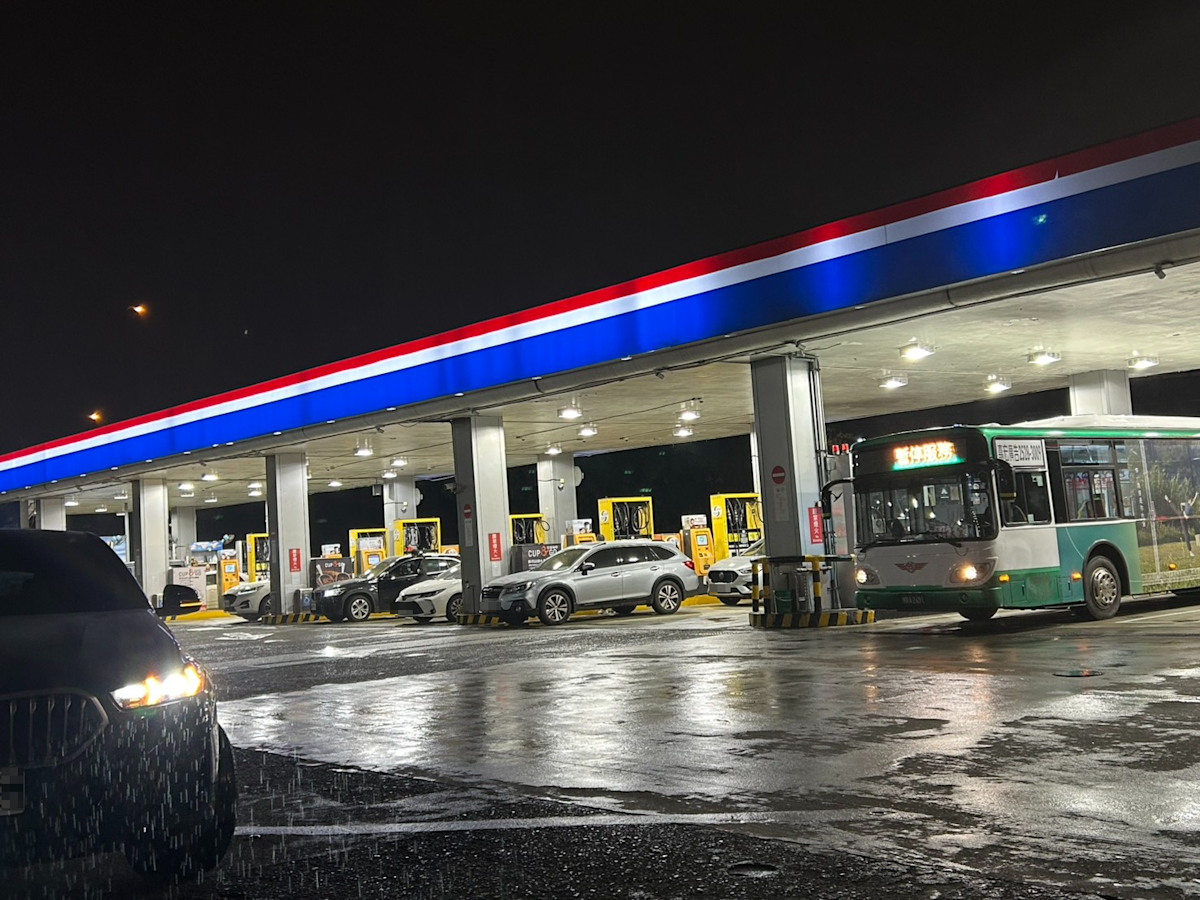
Filling up my bike this week, the price for 95 octane petrol nearly knocked me off my seat. We just saw a hike last month, and now it's jumped by over a rupee again? The lady at the pump, busy as ever, didn't even look back as she said, "Boss, there's trouble in the Middle East. This is probably just the beginning, you know."
And she's right. This latest oil price hike is all because of that pressure cooker situation in the Middle East. The ongoing conflict between Israel and Hamas has everyone on edge, especially the big oil-producing nations nearby. Any little disruption in supply, and global oil prices shoot up like a rocket. India imports the vast majority of its energy needs, so naturally, we feel the heat directly at the pump.
Government Steps In: Fuel & Power Price Stabilisation Activated
Older generations might recall that things were far worse during the oil price spikes of the past. Thankfully, we now have a fuel and electricity price stabilisation mechanism in place. This time, oil marketing companies have stepped in to absorb some of the increase. Without it, the prices we're seeing would be far more terrifying. It's not entirely out of the government's goodwill, but also a move to prevent a cascade of price hikes across the board. When fuel prices go up, everything else follows – your lunchtime thali, evening snacks, and even the delivery charge for your online shopping. Nothing is spared.
One bit of relative relief is on the electricity front. While everyone braced for a hike in April, the latest indications show a strong inclination to freeze electricity prices for now. It might be temporary, but at least we don't have to worry about skyrocketing electricity bills before we've even switched on the air conditioner this summer. How long this measure lasts, however, is anyone's guess. It ultimately depends on when that ticking time bomb in the Middle East gets defused.
A Survival Guide for the Common Person: How to Tackle This Price Surge?
Since we can't control global geopolitics and government measures sometimes feel like a painkiller rather than a cure, what can we, the common people, actually do? I've rounded up a few tried-and-tested tips from "fuel efficiency gurus" that might just help your wallet recover a bit:
- Keep Your Tyres in Check, Save Fuel. When your tyre pressure is low, the friction with the road increases, forcing your engine to work harder. That's when your fuel silently disappears. Check your tyre pressure at least once a month. Just top up the air during a routine visit to the puncture shop – it costs next to nothing.
- Reduce Idling, Switch Off Your Engine. Many auto drivers and cabbies keep the engine running while waiting for passengers. But modern engines aren't that fragile. If you're stopping for more than a minute, switching off saves more fuel than letting it idle. Waiting for a friend or buying chai? If it's over three minutes, just turn the ignition off.
- Use Fuel Discount Apps Wisely. Plenty of banking apps, credit cards, and digital payment platforms offer fuel discounts these days. It might only be a few paise per litre, but it all adds up. Over a year, that small saving could pay for a few good dinners. Make it a habit to quickly check your phone for offers before you fill up.
- Walk Whenever You Can. If you're just heading to the nearby grocery store for some milk or vegetables, consider walking or taking a bicycle. You skip the hassle of finding parking, get your steps in for the day, and save fuel. It's a win-win.
At the end of the day, this period of high oil prices probably won't end in just a month or two. As long as the Middle East conflict continues, it's hard to see fuel prices softening significantly. What we can do is be mindful of our own expenses and make every drop of fuel count. Think of the government's price stabilisation mechanism as a small umbrella in a storm. It's great if it holds up, but even if it doesn't, we have our own set of money-saving tricks to fall back on.