Prisoners: Cuba releases 51 detainees – a political move before Trump's return?
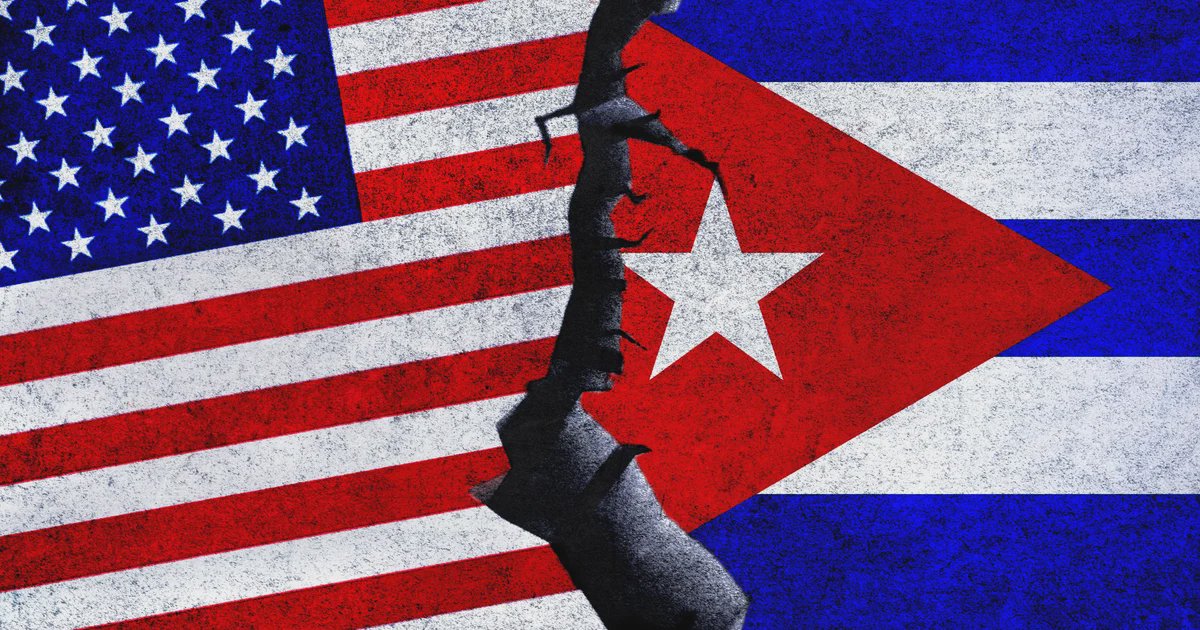
Some days, the news hits you like a movie plot. Not a dark crime thriller in the style of Denis Villeneuve – even if his masterful Prisoners immediately sprang to mind – but more of a political thriller with twists worthy of a series like The Inmate. This Thursday, Havana dropped a bombshell on the international chessboard: 51 political prisoners have been freed. A number that resonates, timing that raises eyebrows, and one burning question: who benefits from this spectacle?
There's no room for naivety here. If you've followed the Cuban-American saga in recent years, you know it's all about symbols and timing. This mass release, confirmed by several diplomatic sources at the Vatican, isn't an early Christmas gift. It's a chess move. And the shadow looming over the board is unmistakably that of Donald Trump, poised for a fight as he eyes a return to the White House. Old-timers, like myself, remember his first term: tightening the embargo, shelving the Obama thaw... a brutal step backward. So, what is Havana telling us today?
Havana Anticipates the Trump Shock: A Gesture for Whom?
Look at the facts. On one side, Miguel Díaz-Canel's regime announces the release of these prisoners, a humanitarian gesture the Holy See has been calling for, for months. On the other, we're hearing off the record that the Biden administration, through quiet channels, has reportedly welcomed the move. But let's not be fooled: it's not Joe Biden they're courting. This is a heavyweight argument meant to be waved under the nose of the Trump team. "Look, we're engaging, we're making concessions, we're not the den of evil you describe." The message is clear, but the recipient is known for not being big on nuance.
And that's where the problem lies. To a seasoned eye, this manoeuvre can seem as perilous as it is bold. By freeing these prisoners, Cuba loses internal leverage and offers its detractors a line of attack. The hardliners, in Miami and Washington, will cry manipulation, a "show" meant to appease the international community. They'll say it's not enough, that other prisoners still languish in Castro's jails. But that's forgetting, rather quickly, that in this game of deception, Havana has almost nothing left to lose. The grip of the blockade tightens, the economic crisis is real, visible in queues and shortages. So, freeing prisoners is also a way to ease street pressure a little, and hope for a loosening of sanctions in return.
The Vatican, Mediator in the Shadows, and the Weight of Symbols
Much has been said about the Pope's role in these negotiations, and it's undeniable. The Vatican, with its shadow diplomacy, is a key player in matters like this. But if I were being slightly provocative, I'd say this story has echoes of Prisoners of the Ghostland, that wild film where Nicolas Cage traverses a parallel universe to save captives. And if you add to this explosive mix a pinch of Prince Faggot, that underground 80s piece where an eccentric sovereign tried to free his subjects from a gilded prison, you get a plot worthy of the greatest thrillers. Except here, the ghost territory is the political deadlock between Cuba and the United States. And the ghosts are these 51 men and women finally reuniting with their families, freed from a system where they were hostages.
The choice of number, moreover, isn't insignificant. 51 prisoners. It echoes, unfortunately, other lists, other releases from the past. It's a number that allows the government to say "look, we're making a significant gesture," while still keeping control over the pace of reforms. For the families, it's raw emotion, the kind seen in the poignant images reaching us from Havana, those embraces outside the prison. For us observers, it's one more indicator that the regime is seeking an honourable exit before the impending political storm.
So, what should we take away from this saga?
- Electoral timing: This announcement comes just as polls show Trump favoured for the Republican nomination. Cuba wants to weigh in on the American debate.
- A real humanitarian gesture: 51 prisoners and their loved ones are experiencing immense relief, and no political calculation can erase that.
- A risky bet: By releasing these prisoners, Havana loses a bargaining chip and opens itself to criticism if the internal situation doesn't improve.
- A historical precedent: We remember the Obama-Castro agreements, the historic visits. Today, we're in the anteroom of a possible new cycle, or a Cold War 2.0.
I'd be willing to bet a bottle of Cuban rum that Donald Trump won't care. That he'll wave this release away, calling it a "desperate attempt" by a regime he condemns. But in the meantime, these prisoners are out. They're walking the streets of Havana, Santiago, or Santa Clara. They're breathing. And that's a victory, even if fragile, even if political. In the grand game of international chess, sometimes, a freed pawn can change the face of the world. Or at least, the hope of those who live in it.