Gilson Finkelsztain leaves B3 to take over as CEO of Santander Brasil, replacing Mario Leão
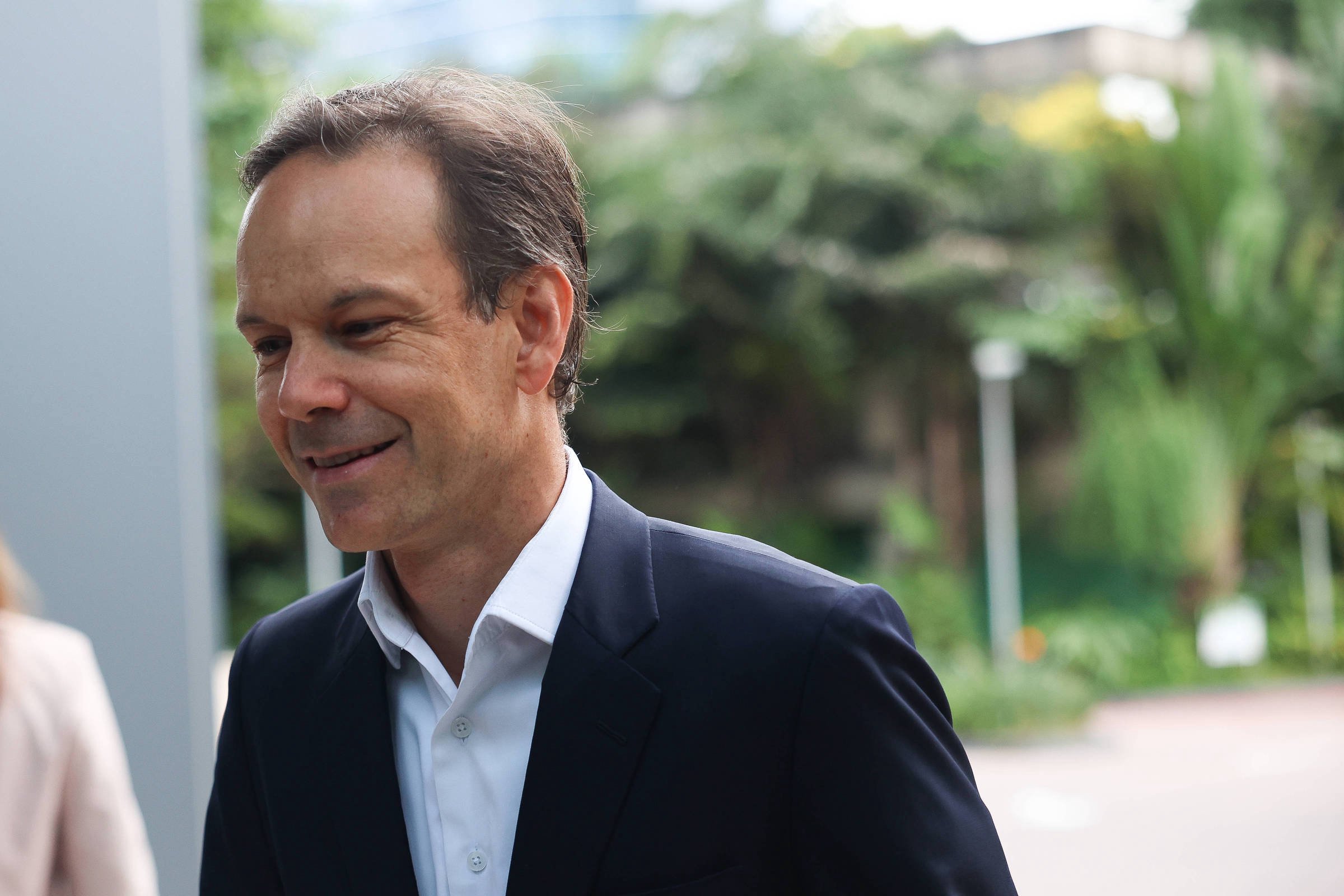
The Brazilian financial market woke up to one of the most talked-about news stories of the year. On the Faria Lima strip, the buzz was all about one thing: the confirmation that Santander Brasil will have a new president. Mario Leão is stepping down after four years at the helm, and Gilson Finkelsztain, formerly of B3, has been chosen to take over by July. Those with their ear to the ground were expecting a move of this scale, but the official announcement still caught many by surprise.
The end of an era: Mario Leão and the mission to restore profitability
Mario Leão has been with Santander for over a decade. He took over as CEO in January 2022, succeeding Sergio Rial, at a delicate time for the bank. Default rates were high, and profitability was under pressure. Anyone who remembers the post-pandemic landscape knows it wasn't an easy period. Leão's mission was to turn things around and rebuild market confidence.
And you could say he delivered. Under his leadership, the bank underwent a deep restructuring. Return on equity (ROE), which flirted with 10% in mid-2023, bounced back to 17.6% in the last quarter. The strategy was clear: prioritise more profitable credit lines, like small and medium-sized businesses (SMEs) and high-income clients, while stepping back slightly from low-income retail. The roadmap laid out by the Spanish parent company targets 20% ROE by 2028, and Leão leaves the ship on a steady course.
Behind the scenes, it's understood his departure wasn't a sudden decision. Earlier this year, he reportedly informed the group's top brass of his intention to step down for personal reasons. At 50, the executive has hinted he's ready for new challenges and wants to apply his experience across other industries.
The choice of Gilson Finkelsztain: why him?
That's where Gilson Finkelsztain comes in. His name has been on Santander's radar for some time. Last year, he was even announced for the bank's board of directors, but ultimately withdrew to avoid conflicts with B3. This time around, it's a different story. The Spanish parent company went after someone who knows the Brazilian market inside out and has a history with the organisation – Finkelsztain worked on the interest rate desk at Santander between 2011 and 2013.
Mario Leão himself moved quickly to reassure the team. In an internal memo, he made it clear that the bank has reached a level of maturity that allows for a structured succession. His words were direct:
- “I’m really pleased with the chapter I’ve had here”, highlighting the achievements and the legacy left behind;
- “I wish Gilson all the best”, affirming that the transition will be smooth and the strategy will stay on track;
- “Brazil is a market of great opportunities”, echoing the confidence of someone who knows the strength of the local operation.
Santander’s Chair, Ana Botín, also weighed in. She thanked Leão for his “very important role” in the bank’s transformation and said she was “delighted” to welcome Finkelsztain back. “His experience and standing in the Brazilian financial sector make him highly qualified to lead the next phase of growth,” she stated.
Who is Gilson Finkelsztain?
If you follow B3, you’ll know Finkelsztain is no ordinary executive. He’s been at the helm of the stock exchange since 2017, effectively a decade in the role. Before that, he worked at Bank of America Merrill Lynch, JPMorgan, Citigroup and Cetip. A civil engineering graduate from PUC-Rio, he has a solid track record and arrives at Santander at a time when the bank needs to balance growth with profitability, amid fierce competition from fintechs.
The executive has already made his focus clear: to transform the “solid foundation” he inherits into meaningful outcomes for customers, shareholders and the community. It’s no small task, but anyone familiar with his time at B3 knows he doesn’t shy away from a challenge.
So, what now?
Until July, Mario Leão will remain in the role to ensure a smooth transition. After that, Finkelsztain will take the reins of the country’s third-largest private bank. Santander’s bet is clear: a heavyweight executive with an unrivalled grasp of Brazil’s capital markets, tasked with continuing the recovery strategy and opening up new avenues for growth.
For customers, investors or anyone doing business with the bank, there’s no need to worry: the more selective and profitable credit strategy remains in place. Now, it’s a matter of seeing how the new captain will navigate these highly competitive waters.