La Ronde's New Landlord: What the EPR Properties Deal Means for Montreal’s Amusement Park
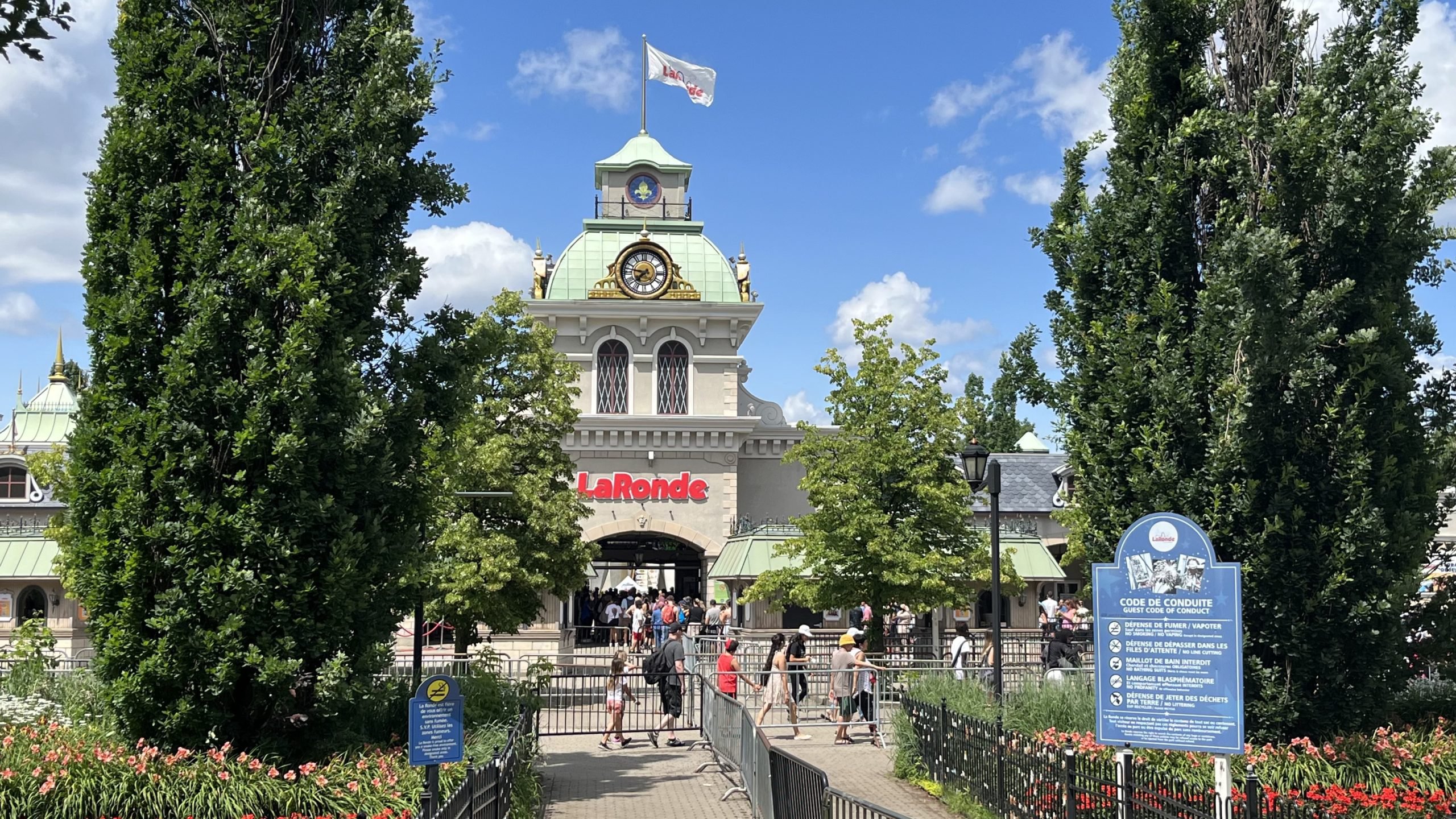
If you’ve driven past Parc Jean-Drapeau this week and caught a glimpse of the Goliath’s towering track, you might have felt that familiar spring itch for some classic carnival food and the lurch in your stomach on that first big drop. But behind the scenes at La Ronde, there’s been a major shake-up that has nothing to do with the rattle of the Vampire. The park, a summer staple in Montreal since Expo 67, has a new landlord.
Six Flags, the long-time operator, has sold the iconic amusement park to a major American real estate investment trust: EPR Properties. Now, before you start worrying that your season pass is about to be swapped for a timeshare pitch, let’s break down what this actually means for the average punter lining up for the Titan.
A Change on Paper, Not on the Midway
This isn’t a story about La Ronde closing its gates or being turned into a carpark. In fact, for the vast majority of visitors, this deal will be completely invisible. Think of it this way: Six Flags is the expert at running parks—they know how to keep queues moving, fry up the doughnuts, and maintain the rides. EPR Properties is the property mogul. They specialise in owning the "property" part of the equation—the land and the buildings.
So, what’s changing? Primarily, who’s signing the cheques. Six Flags has essentially sold the real estate assets of La Ronde to EPR Properties Ltd. in a sale-leaseback agreement. It’s a common move in the business world that frees up cash for the operator (Six Flags) to invest in what they do best: the experience. Meanwhile, EPR collects the rent and holds a valuable piece of recreational property in their portfolio. This is classic EPR Properties strategy; they’re major players in the experiential real estate world, owning everything from massive cinema complexes to ski resorts across the continent.
What This Means for Your Summer Fun
For those of us who’ve been riding the Monstre since we were kids, the bottom line is simple: the park isn't going anywhere. In fact, this could actually be good news for thrill-seekers. By offloading the real estate, Six Flags frees up capital. And where does that capital usually go?
- New Rides: Got your eye on a new, record-breaking coaster? This is how they pay for it.
- Park Upgrades: Fresher paint, smoother operations, and better theming.
- Events: Bigger and better firework displays for L'International des Feux Loto-Québec.
The operational know-how stays with Six Flags, who will continue to manage the day-to-day magic (and chaos) of the park. The only difference is that now, when the maintenance crew fixes a leaky pipe, the building itself is technically owned by EPR Properties.
The Bigger Picture for Montreal
This deal signals a strong vote of confidence in Montreal’s tourism market. A massive U.S.-based firm like EPR doesn't drop millions on a property unless they see long-term value. It anchors La Ronde financially, ensuring that this piece of Montreal's cultural fabric remains stitched into the island’s landscape for decades to come.
So, next time you're screaming down the first drop of Le Monstre, take a second to appreciate the view. You're looking at the St. Lawrence River, the city skyline, and a piece of real estate that just became a whole lot more interesting to the financial world. The rides are safe, the candy floss is safe, and the only thing that might be different next season is the name on the corporate paperwork. Now, if only they'd finally fix the queue line for the dodgems.