Iran-Israel War: How Gulf States, Including the UAE, Are Charting a Path Outside the Fray
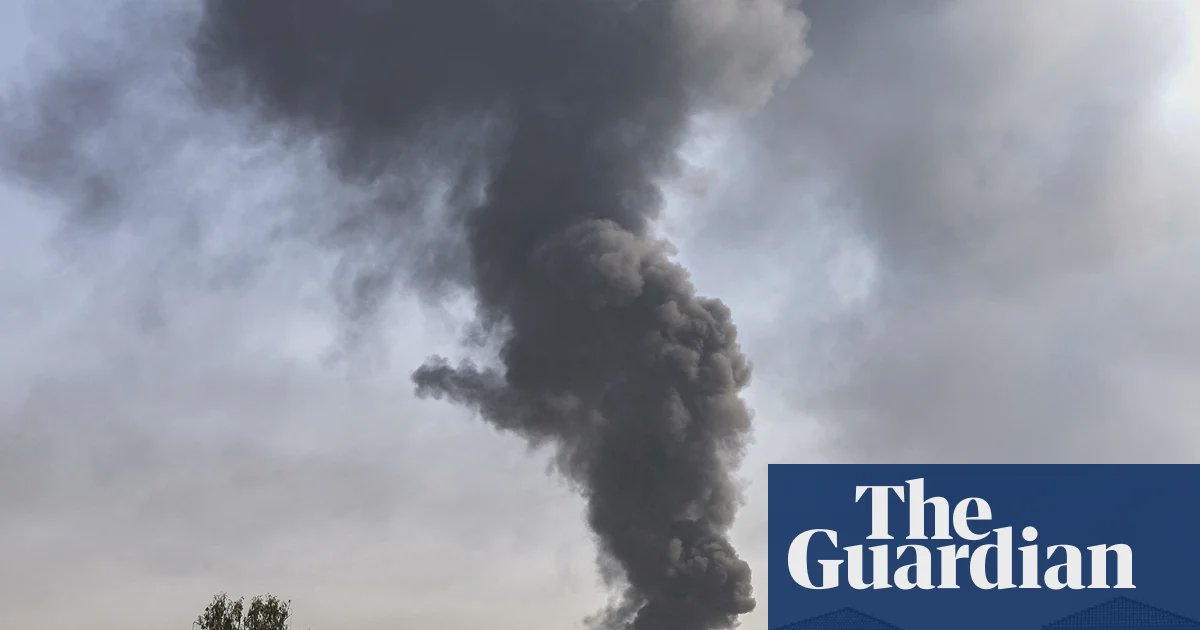
When fires erupt between Tehran and Tel Aviv, the closest to feel the heat are their neighbours in the region. But this time, the situation is different. The Gulf states, led by the UAE, are neither standing on the sidelines as mere spectators, nor are they falling in line behind a single axis. What we're witnessing is a defining moment, one that is redefining the very concept of "strategic autonomy" in one of the world's most complex regions.
Gulf's Moment of Truth: Caught Between a Rock and a Hard Place
The recent confrontations, where Iran and Israel crossed all previous red lines, have presented Gulf capitals with a test unlike any since the first Gulf War. Abu Dhabi, Riyadh, and Doha all recognize that a slide into all-out escalation would pose a direct threat to the economic stability they've spent decades building. The choice is no longer about "backing" one side over the other; it's about safeguarding their national assets through shrewd, pragmatic crisis management.
From the early days of the recent clashes, it was clear that the GCC states were moving at a different pace than in previous confrontations. We didn't see a rush to declare rigid military alliances; instead, we witnessed intensive behind-the-scenes consultations. This isn't a war where one can pick a side based on emotion or even short-term interests, because the potential losses are too great for any treasury to bear.
From Silk Road to Self-Reliance: A Look at Major Shifts
What's happening today is the culmination of a long process that began over a decade ago. Looking at the region's alliance map, it's clear Gulf states no longer view Washington as their "sole protector." This isn't to downplay the value of the strategic partnership with the US, but rather a natural evolution towards "multipolar alliances."
Meanwhile, the role of Asian powers—China and India—has grown in ways unimaginable a generation ago. Beijing is no longer just a trading partner; it has become a key player in the regional balance equation. These shifts, studied by academics in global research centres, are now a tangible reality in Gulf decision-making offices. The UAE was among the first to realize that security is no longer a commodity bought from a single supplier, but the product of a complex web of mutual interests.
Cards on the Table: How Abu Dhabi Reads the Situation
The UAE has its own calculations in this equation. Three key factors drive the Emirati position today:
- Economic stability first: Abu Dhabi knows any regional escalation would threaten the trade and foreign investment its economic vision depends on. That's why it's consistently among the first to call for restraint and a return to dialogue.
- Diversifying military and security partners: Cooperation with Washington doesn't preclude understandings with Moscow and Beijing to prevent the region from being dragged into a war of attrition. This flexibility has given Abu Dhabi more room to manoeuvre, moving away from the "you're either with us or against us" dynamic.
- Proven crisis management expertise: From Yemen to Sudan to energy security, the UAE has demonstrated a wealth of experience in handling complex, overlapping crises without compromising its core national principles.
Broader Arenas: From Oman and Yemen to Washington
The Iran-Israel conflict can't be viewed in isolation from other theatres. Oman has played its classic role as a neutral mediator, while Yemen remains a launchpad for ballistic missiles threatening to widen the conflict if not contained. And in Washington, policymakers now recognize that Gulf states are no longer "subordinate allies," but partners with their own independent interests that must be considered before any military step that could drag the region into an all-out war no one wants.
Even in seemingly distant areas like American sports, we see how it has become part of the normalization narrative, reflecting the deep ties between the two sides. These multifaceted connections make it highly unlikely that any Gulf state would choose to "cut ties" or take a "sides" stance at this stage.
The Tough Choice: Is There an Alternative to War?
The most pressing question analysts are asking today is: can Gulf states succeed in building a "post-war" region before an all-out war even breaks out? The signs we see from Abu Dhabi and Riyadh suggest a genuine will to de-escalate between the different parties. The UAE hasn't just played the role of mediator; it has gone further, working to build economic and technological bridges with Tehran despite the security tensions, in an attempt to show that shared interests can serve as a bulwark against military escalation.
Just last week, there were closed-door meetings between senior regional officials discussing post-conflict scenarios. The takeaway from those meetings was clear: the region cannot afford another war, and any miscalculation will cost everyone dearly. This isn't just diplomatic rhetoric; it's the hard-earned lesson from years of managing one of the world's most volatile regions.
With all this, the situation remains fluid with many possible outcomes. But what is certain is that the Gulf states today, led by the UAE, have become key players in the peace and security equation—not just as mediators, but as decision-makers with their own set of tools. The future will not tolerate the mistakes of the past, and everyone understands that the real bet is on stability, even if the price is letting go of rigid alignments.