Kent Meningitis Outbreak: One Crucial Thing All Norwegian Students and Parents Need to Know
It's a story that has made headlines around the world in recent days: a serious outbreak of bacterial meningitis in Kent, southeast England. Two young people have lost their lives, and 13 others are confirmed to have been infected with the invasive bacteria. For those of us who keep an eye on health news, it's naturally a cause for concern. Especially because the dangerous B-strain, known as MenB, has been identified as one of the main causes. But what's really happening, and why is this so serious? Let's break it down, so you get the key points without needing to dive into heavy medical textbooks.
The Nightclub That Became an Infection Hub
The outbreak, which UK health authorities describe as serious, appears to have a central point: a nightclub in Canterbury. Officials have traced the infections back to visits to the club on March 5th, 6th, and 7th, and are urgently asking anyone who was there to contact health services for antibiotics. The victims are young people, mainly aged 18–21, connected to a university and several high schools in the area. One of the deceased is an 18-year-old girl who attended a school in Faversham, another is a 21-year-old student at the University of Kent. It's a stark reminder of just how quickly this disease can take hold.
A 'Vaccination Gap' Explains the Scale
Why is this particular group of young adults being hit so hard? Several experts point to what's being called a 'vaccination gap'. The meningococcal B vaccine (MenB) was only introduced into the UK's childhood immunisation program in 2015. This means that today's students, born before roughly 2015, never had the chance to get this vaccine through the public system. They are essentially a generation left unprotected against this most dangerous strain.
As one infectious diseases professor points out, we're talking about a large cohort of unvaccinated students. And when young adults live closely together in dorms, socialise at parties, and pack into nightclubs, the bacteria find the perfect environment to spread. Many people carry the meningococcal bacteria in their throat without ever getting sick themselves, but they can still pass it on through close contact, coughing, or sharing drink bottles.
How Is an Outbreak Like This Managed?
The response from UK authorities offers a clear look at standard procedure for stopping the spread of bacterial meningitis:
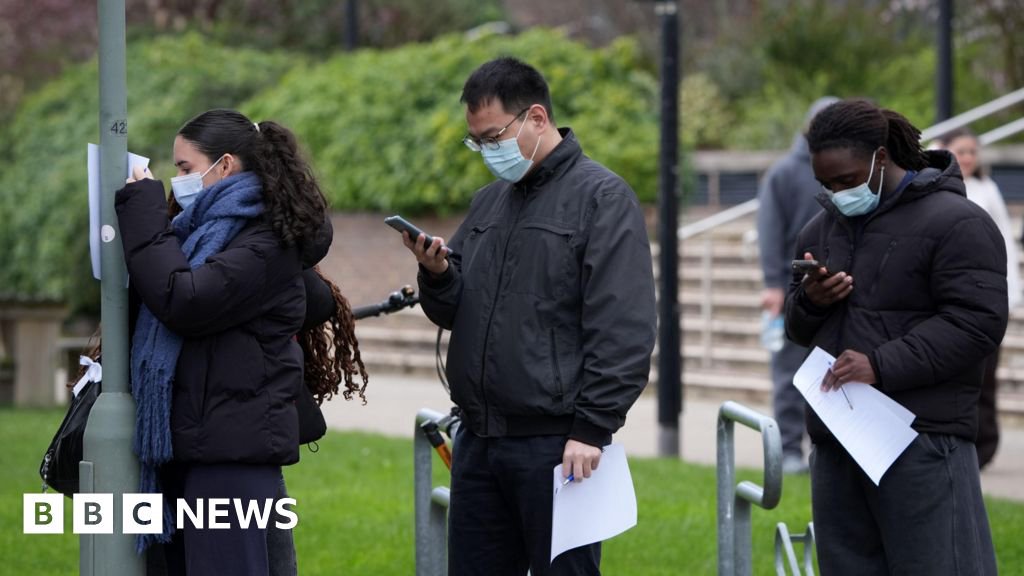
- Contact Tracing & Antibiotics: Close contacts of those infected are immediately offered antibiotics as a preventive measure. At the University of Kent, hundreds of students have queued up to receive them.
- Information & Closures: The university has cancelled all in-person exams and assessments for the week to minimise contact.
- Targeted Vaccination: The UK Health Secretary has confirmed they are launching a targeted vaccination campaign for students living in dormitories in the Kent area.
It's important to note that while the outbreak is serious, health authorities stress it is localised to the Canterbury area and they do not see it spreading to the rest of the country.
What Does This Mean for Us in Norway?
For those of us in Norway, this is a wake-up call, but not a reason to panic. The Norwegian Institute of Public Health (Folkehelseinstituttet, FHI) is monitoring the situation closely. The most important lesson we can learn is to know the symptoms. Meningitis can easily be mistaken for the flu or even a bad hangover – a particularly dangerous mix for students who might not be tuned into their body's warning signs.
Be especially alert for these signs:
- Sudden high fever
- Severe headache
- Neck stiffness (inability to touch chin to chest)
- Nausea and vomiting
- Sensitivity to light
- A distinctive rash (red or purplish spots that don't fade when you press a glass against them. This is a sign of blood poisoning.)
In Norway, we have good protection through our childhood vaccination program, but the MenB vaccine is still not part of the general program for older teenagers and adults, unless they belong to specific risk groups (like those without a functioning spleen). However, the FHI does recommend the vaccine for individuals, for example, students heading to countries with outbreaks, or teenagers attending large gatherings like the "Russ" celebrations or festivals. So, if you have a 16–19-year-old at home planning to travel or attend big social events, it's a good idea to have a chat with your GP about the meningococcal vaccine.
The outbreak in Kent is a tragic reminder that this disease is still a threat, but with awareness and the right vaccine, we can protect ourselves and the people we care about.