Cluster Munitions Strike Civilians Again: Recalling the Unforgettable Day in Mykolaiv and Kharkiv in 2022
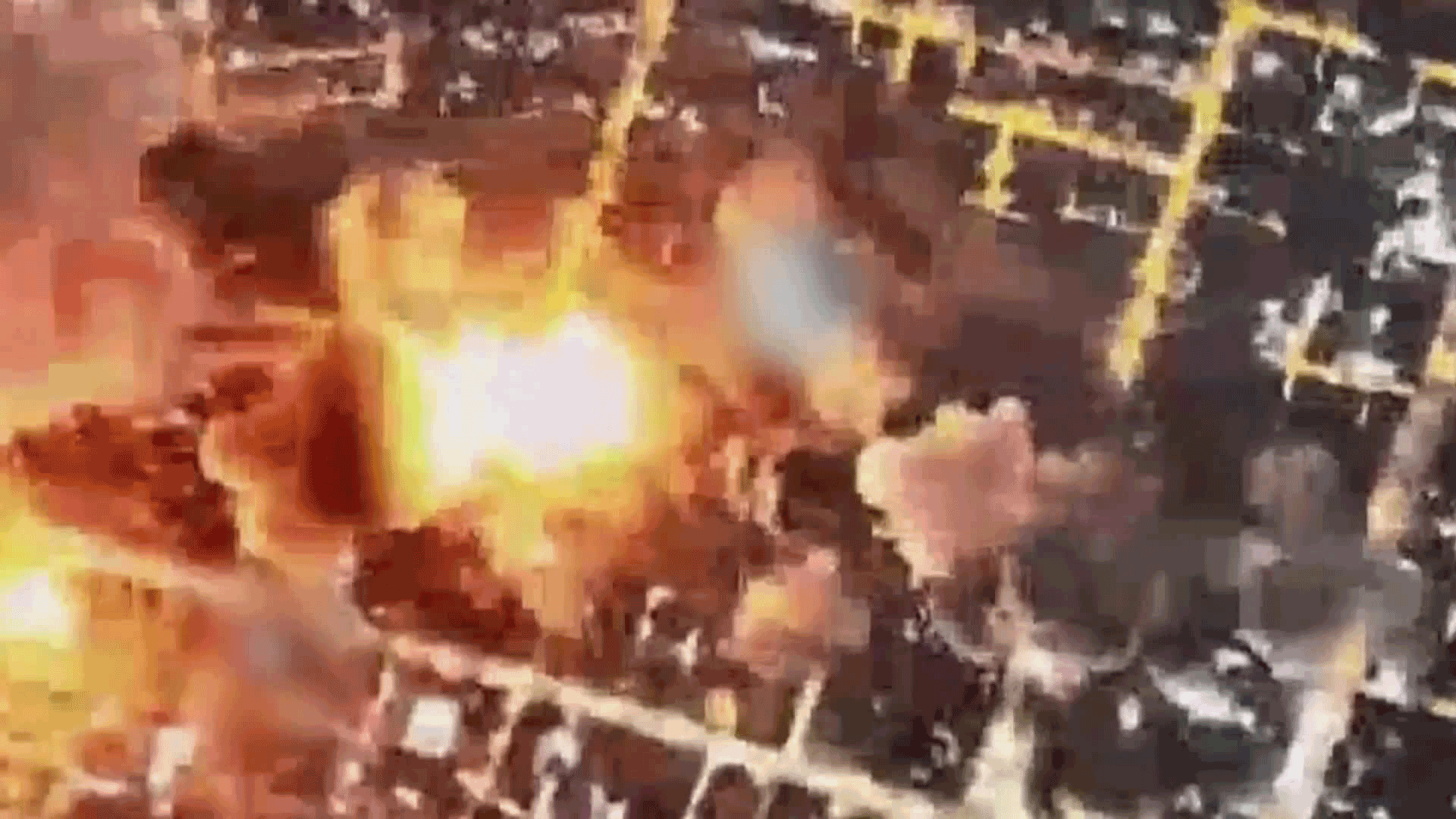
The war is not over. The black smoke that blanketed the sky over Kharkiv in February 2022 and the horrific aftermath of the cluster munition strikes on residential neighborhoods in Mykolaiv remain deep, festering wounds on the Ukrainian landscape, even now in 2026. With Russian forces recently intensifying their offensives in eastern and southern Ukraine, the term 'cluster munitions' has once again become a flashpoint in the international community. But what we must remember isn't just the name of a weapon, but the tragic stories of the civilians it has left in its wake.
A Tragedy Ignoring the International Taboo: The Convention on Cluster Munitions
Cluster munitions are weapons designed to disperse hundreds of smaller submunitions over a wide area, striking multiple targets simultaneously. Their destructive power is so immense that the Convention on Cluster Munitions has been signed by over 100 nations, comprehensively banning their use, production, and transfer. However, the war in Ukraine has starkly illustrated just how fragile such a taboo can be in reality. Local reports from early 2022 indicate that Russian forces rained down cluster munitions indiscriminately on major Ukrainian cities, including Kharkiv and Mykolaiv.
The Cries of Kharkiv and Mykolaiv: February 2022
The cluster munition attacks on Kharkiv in February 2022, immediately after the invasion began, were nothing short of hell on earth. Striking residential areas, schools, and hospitals without distinction, the submunitions instantly transformed safe civilian spaces into scenes of massacre. Just months later, the same tragedy unfolded in the Black Sea port city of Mykolaiv. Reports and footage from the cluster munition attacks on Mykolaiv at the time vividly depicted the massive casualties near parks and playgrounds. These events drew unavoidable condemnation as clear war crimes targeting civilians, not mere military clashes.
The Curse Left Behind: Unexploded Submunitions—A Ticking Time Bomb
However, the larger issue is one that persists to this day. The greatest threat posed by cluster munitions lies in the unexploded submunitions (duds). A significant percentage of the hundreds of submunitions released fail to detonate upon impact. Left unrecovered, they become buried in fields and villages across the country—effectively scattering millions of landmines across the nation. Reports indicate that even now, four years after the invasion began, accidents continue to plague the outskirts of Kharkiv and Mykolaiv. Civilians, simply farming or collecting scrap metal, inadvertently trigger these duds and lose their lives. The horrifying incidents of children mistaking them for toys serve as a grim reminder for everyone in the region: the war's terror is far from over.
What cluster munitions leave behind are cities reduced to rubble, lives that will never return, and unexploded ordnance that will threaten the land for decades to come. The brutality of war is not just a story playing out on a screen far away. Right now, at this very moment, lives are still being threatened by the remnants of cluster munitions from that fateful day in 2022.
- The Brutality of Cluster Munitions: Indiscriminate area attacks, violating the principle of civilian immunity.
- A Threat to Future Generations: Long-term safety hazards from duds, rendering agricultural land unusable.
- Failure of International Response: Reigniting debate over the effectiveness of the Convention on Cluster Munitions.
Can we truly say the war is over? At least for Ukraine, the day its skies and lands are completely safe has not yet arrived. The cluster munitions from that day still linger, continuing their silent work of devastation.