Paul McCartney: The Legend, the New Project, and the Death Myth That Refuses to Die
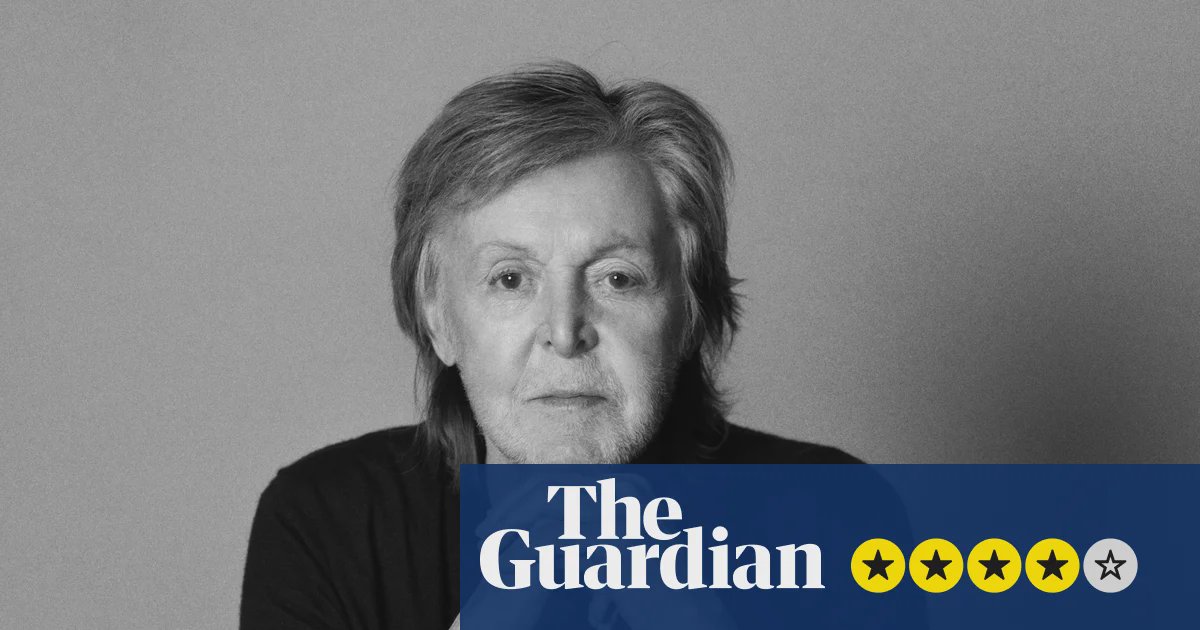
He’s just turned 83, still has that same spark in his eyes, and clearly, the thought of retirement has never crossed his mind. Paul McCartney is back with “Days We Left Behind”, a project as intimate as it is intriguing, plunging us back into the vibrant energy of the sixties. And as always, whenever the Beatles’ bassist re-emerges with such force, an old ghost stirs. No, I’m not talking about John. I’m talking about that urban legend that sticks to him like a melodic bassline: what if he died in 1966?
The “Paul is dead” enigma: when myth becomes stronger than reality
You’ve surely heard this story. For those who missed it, here’s the gist: in 1966, Paul McCartney supposedly died in a car crash. The official version? Just a bad day. The version from the most paranoid fans? The Beatles replaced their bandmate with a lookalike, a certain William Campbell, to avoid breaking the world’s heart. All of it sprinkled with “clues” on album covers, “backmasking” in songs (Strawberry Fields Forever played backwards, remember?), and that iconic scene on Abbey Road where Paul walks barefoot, stepping out of a funeral procession.
This isn’t just a rumour. It’s The Paul McCartney Project before its time, a collective deconstruction of a myth that had thousands spending sleepless nights poring over every note. Today, with the release of this new album that reeks of 1960s Liverpool, the story resurfaces. As if Paul, by revisiting his past, is inadvertently opening Pandora’s box.
“Days We Left Behind”: a deep dive into memories, not the grave
Let’s be clear: no, Paul McCartney is not dead. In fact, he’s more active than ever. “Days We Left Behind” isn’t a sad album; it’s a testament. Within these tracks is the essence of Dungeon Lane, that little street in Liverpool where it all began. You can feel the camaraderie with George, the creative tension with John, and the total freedom they achieved. It’s a bit like the musical counterpart to his book Paul McCartney: Many Years From Now. The Beatles, the Sixties and Me, released years ago, but in a rawer, live-wire version.
What’s fascinating is that the more he tells his story, the more the doppelgänger myth takes on an almost poetic dimension. In the documentary accompanying the project, we see him leafing through notebooks, playing his father’s guitar, and laughing while talking about “the other Paul”. There’s even a moment where he looks at the camera and quips, “If I were a lookalike, I think I would have asked for a raise by now.”
George Harrison’s last testament and the quest for truth
For purists, this new chapter also brings back memories of a cult book from the 90s: Paul McCartney Really Is Dead: The Last Testament of George Harrison. This book, never officially acknowledged by Harrison during his lifetime, pushed the logic to its extreme, proposing an “investigation” worthy of a thriller. Again, McCartney isn’t bothered by it. He’s always had this elegance: never shatter the illusion. He prefers to stoke the mystery.
If I had to sum up what this new opus conveys, it would be this:
- A tribute to lost mates: John, George, and all those from Liverpool who believed in them.
- An implicit response to the theories: No need to prove you’re alive, just keep creating.
- A return to roots: Far from the stadiums, you find the kid from the English suburbs.
So, is Paul McCartney really Paul McCartney? After over sixty years in the business, the question hardly matters anymore. What counts is that this guy keeps giving us moments of grace, utterly unfazed by the legend. He even posted a video on social media a few days ago, showing himself walking barefoot in his studio. The legend will never die. Him, though? He seems determined to outlive us all.