Iran's Attacks on the UAE: Fujairah in the Firing Line and The Navy's 'Silent Deterrence' Message
To our Gulf community, the atmosphere is tense, and life in the UAE these days is punctuated by rapid-fire news, a far cry from the years of calm and stability we're used to. From Fujairah to Abu Dhabi, everyone is closely following Saturday morning's incident at Fujairah port, where oil loading operations were temporarily halted after a drone attack sparked a fire in the industrial area. Sure, air defences intercepted the drone, but it was the falling debris that ignited the blaze—a scene that was shocking for many.
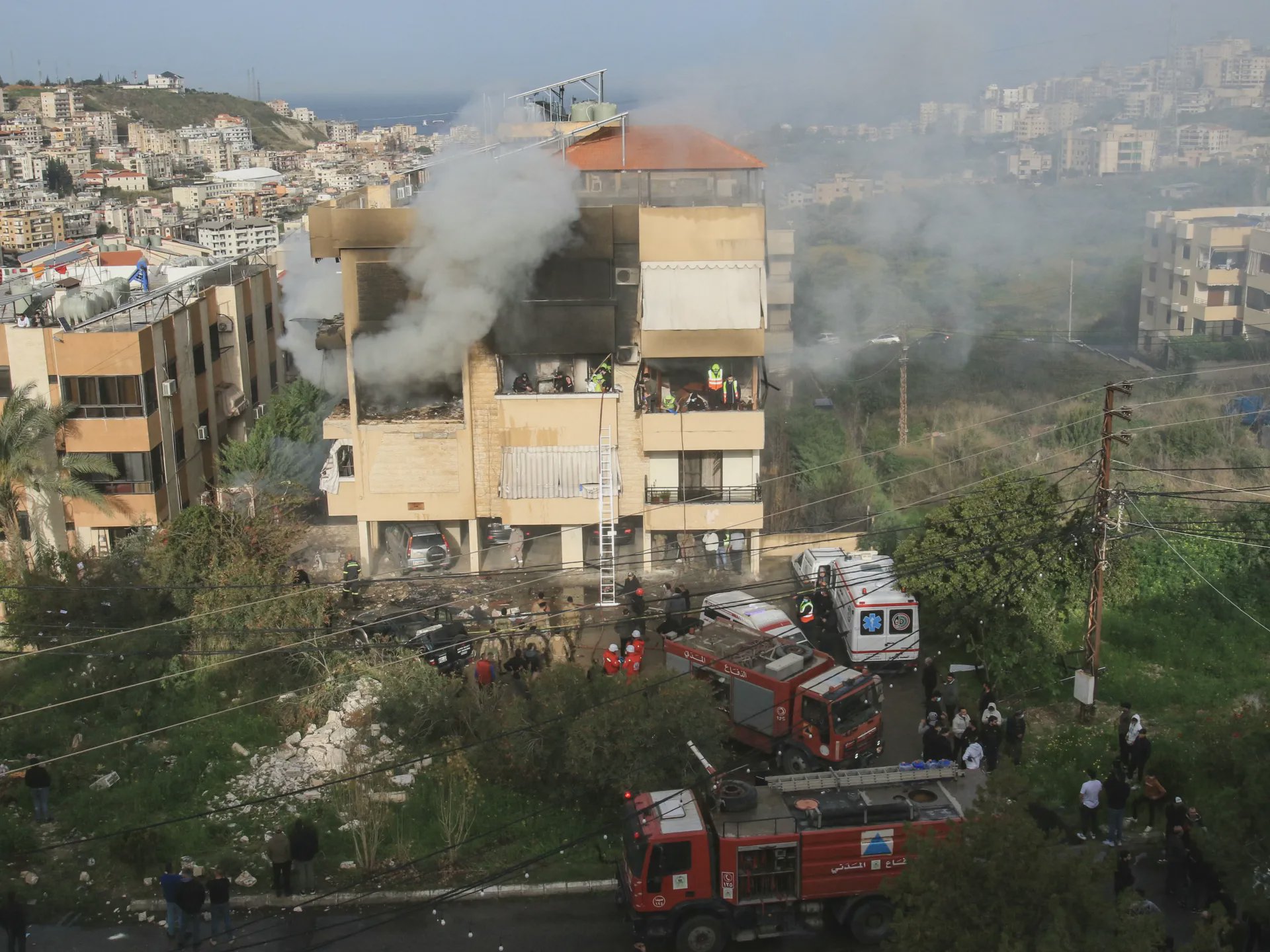
UAE in the Crosshairs: Unprecedented Targeting
What's happening isn't just some distant exchange of threats. Unfortunately, the UAE has become the centre of this equation. Our Minister of State, Reem Al Hashimy, described the recent Iranian attacks as "unprecedented and almost uncontrollable." Those are strong words from a senior official, just like you and me. She said what we saw from Iran was them "turning on those who were calling for de-escalation." The UAE absorbed the highest number of drones and missiles compared to any other Gulf state—even more than Israel itself. This isn't just talk; we lived through it.
The targeting didn't stop at Fujairah. Days earlier, Thai and Japanese oil tankers were targeted off the coasts of Ras Al Khaimah and Dubai. And in a sign of the expanding conflict, the UAE consulate in Erbil was hit by a drone attack, which President Sheikh Mohamed bin Zayed, during calls with world leaders, described as a "dangerous escalation." What's striking is that all this happened while Abu Dhabi had been extending a hand for dialogue and diplomacy from the very first moment.
An Iranian Warning... And Clear Targeting of Civilian Infrastructure
In a dangerous and worrying development, Tehran issued a statement asking civilians in the UAE to evacuate ports and harbours, under the pretext that they "could become legitimate targets" because the US uses them. This rhetoric is completely unacceptable. The UAE is not part of the war, and its land is not a launchpad for missiles against Iran or anyone else, and all its neighbours know this. But unfortunately, Emirati civilian infrastructure is being targeted, not just military bases. Fujairah port, overlooking the Arabian Sea and the Gulf of Oman, is a lifeline for the local and global economy; disrupting it threatens energy security and people's livelihoods.
Look at the difference: The US struck Iran's Kharg Island, a main oil export terminal. Iran's reaction was to target the ports of its neighbours who aren't even involved in the conflict. It's as if the message is: "If our exports are cut off, everyone's exports will be cut off." But this logic will cost them dearly, both regionally and internationally. The Arab League strongly condemned the attack on Oman's Salalah port, calling it "reprehensible behaviour that amounts to war crimes."
A Message from the Deep: "The Silent Service" and the Ohio-Class
Amidst all this uproar, there's something called "silent deterrence." One of the reasons Iran responded with such blind rage towards the Gulf states is the heavy blow it received at home. I'm talking about the "Midnight Hammer" operation. That day, a silent US Ohio-class submarine, believed to be the USS Georgia, launched more than 24 Tomahawk missiles at Iranian facilities in Isfahan even before aircraft moved in.
These submarines are part of "The Silent Service," and they truly are a terrifying silence. Imagine something 171 metres long, capable of diving more than 240 metres underwater, travelling at 25 knots, completely undetectable. The Ohio-class, converted by the US Navy into guided-missile submarines (SSGN), can carry 154 Tomahawk missiles inside. That's not even mentioning their capability to deploy special operations teams. This is the message reaching the masterminds in Tehran: "Any aggression against neighbouring states will be met with a response from a place you'd never expect."
- Silent Terror: Ohio-class submarines can strike from distances exceeding 1,600 kilometres, with absolutely no warning.
- A Deterrent Message: The presence of these submarines in the region means any Iranian escalation at sea (like closing the strait) will be met with an immediate and severe response.
- Combined Force: What happened in "Midnight Hammer" wasn't just submarines; it was coordination with B-2 bombers that destroyed underground nuclear facilities with bunker-buster bombs.
The Strait of Hormuz and Its Impact on Our Daily Lives
What worries me and every Emirati is the impact this escalation has on our daily lives. Minister of State Reem Al Hashimy said something that really opens your eyes: "The Strait of Hormuz isn't just about oil; it's the route for everything, from cooking oil to petrochemicals and manufactured goods." Iran has practically paralysed movement in the strait since the beginning of March, and this affects global supply chains, and consequently, prices in our local shops. We are a nation built on services and logistics; targeting this artery is a direct attack on our economy.
Abu Dhabi is handling the situation with cool heads and wisdom. The leadership is in constant contact with brothers and friends, from Jordan to Australia. And you saw how Reem Al Hashimy affirmed that the partnership with the US "does not waver in times of crisis; we are not easily shaken." That's the kind of talk that reassures us. We don't provoke, and we don't respond with madness, but we are not weak. The presence of the Australian "Wedge-tail" aircraft here shows that our international network of relations stands with the UAE to protect its skies.
The bottom line, folks, is that the Gulf is going through a dangerous phase, and today the UAE is proving to be a rock amidst the storms. The Iranian attacks on Fujairah and our ships will only make us stronger and more united. And from the depths of the sea, the silent Ohio-class submarines are telling Iran: "This Gulf is no place for adventurism."