Assassination of Mohammad Raad: Hezbollah's second-in-command exits the scene in strike targeting the suburb
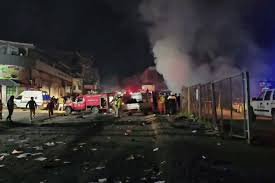
In a development that was both dramatic and somewhat anticipated, the scene in Beirut's southern suburb turned the tables completely today, Monday. As I was following field leaks and information from reliable sources about General Staff meetings, the shocking news arrived: The Israeli army announced a "precision operation" targeting prominent Hezbollah leaders. Within minutes, the news that will reshape the next phase was confirmed. Mohammad Raad, Hezbollah's second-in-command and Deputy Secretary-General, was killed in the strike that hit a key stronghold in the suburb.
Who was the man who left the scene?
Mohammad Raad was no fleeting figure in Lebanese politics. He was the sole MP to continuously retain his parliamentary seat since 1992, an institution in his own right within the party's organisational structure. Just a few months ago, specifically last December, he rose to the position of Deputy Secretary-General, becoming the party's strongest political arm alongside Naim Qassem. But more than his position, Raad represented the unyielding ideological voice; the man behind the famous, unforgettable statement: "Death, but not surrendering arms." He was the one who mocked the idea of heading to beaches and nightclubs while the South was burning, cementing his status as an icon of the hardline faction both within and outside the party.
A targeting that's no coincidence
The timing and location carry implications not lost on even a novice analyst. The attack didn't come out of nowhere; it was the Israeli response to rockets and drones launched by Hezbollah towards Haifa at dawn, under the banner of "avenging the blood of Imam Khamenei" and defending Lebanon. But specifically targeting Raad Mohammad Al-Kurdi (as he appears in official records) means Israel decided to strike the political line with full force. The strikes expanded to hit over 12 towns in the South and Bekaa, but the suburb bled the most with over 20 dead and dozens wounded in an initial toll expected to rise.
- The Goal: Paralyse the party's political and moral capacity.
- The Message: No one is off the table, not even one present in parliament for 34 years.
- The Repercussions: Lebanon entering a phase of "many days of fighting" as threatened by Israeli Chief of Staff Eyal Zamir.
The suburb bleeds... mass displacement echoes 2024 scenes
The scenes on roads stretching from Sidon to Beirut brought back memories of the July War, and even the November 2024 displacement. Cars loaded with fear and furniture, mothers searching for shelter for their children. Over 50 villages in South Lebanon and the Bekaa received immediate evacuation orders from the Israeli army. The Lebanese government, represented by President Joseph Aoun and Prime Minister Nawaf Salam, rejected this escalation, calling it an "irresponsible act" dragging the country into an unbearable new adventure. But on the ground, Israeli rockets speak louder than any political statement.
A parallel search phenomenon: Who is the other Raad Mohammad al-Kurdi?
Amidst this bloody moment, another thing caught my attention on search maps. Alongside the insane surge in searches for details on the assassination of Mohammad Raad, search terms like Raad Mohammad al-Kurdi and Holy Quran recitation by Raad Mohammad al-Kurdi also shot to the forefront. This similarity in names created a state of astonishing crossover on search engines. Many people, especially in the Gulf, were searching for peaceful recitations to comfort their hearts on this difficult day during Ramadan, only to find themselves confronted with heavy political news. This phenomenon reminds us how the digital space sometimes reflects the intertwining of life and death in the Middle East; between a voice reciting the Quran bringing solace, and an assassination news bringing terror.
What does his absence mean for the post-today phase?
Mohammad Raad wasn't just an MP; he was the "Loyalty to the Resistance Bloc" personified. Heading the parliamentary bloc since 2000 made him the link between military action and parliamentary representation. With his assassination, the party loses one of its most prominent figures who navigated the political game with cunning and ferocity. Furthermore, his position as a member of the Shura Council (decision-making body), and the party's representative in complex regional relations, such as representing it in Iran's Guardian Council, makes his departure a strategic loss not easily compensated. Was the killing of his son Abbas two years ago in previous confrontations merely a prelude to this end? Only fate knows how the threads are woven.
The next phase will not be easy for either side. Israel says it has launched "Operation Roar of the Lion" and will not stop it for days, while Lebanon flounders between official rejection of war and a field reality that necessitates it. Mohammad Raad is gone, but the essence of his political message linking death to arms remains suspended in the air above the devastated Beirut suburb. For businesses and advertisers in the region, entering this charged media landscape requires high sensitivity; blending heavy political news with religious or commercial searches these days needs an expert hand that deciphers the audience's code before uttering a single word.