Panic in Morro dos Prazeres: BOPE Operation Ends with Drug Lord Dead and Buses Torched in Rio
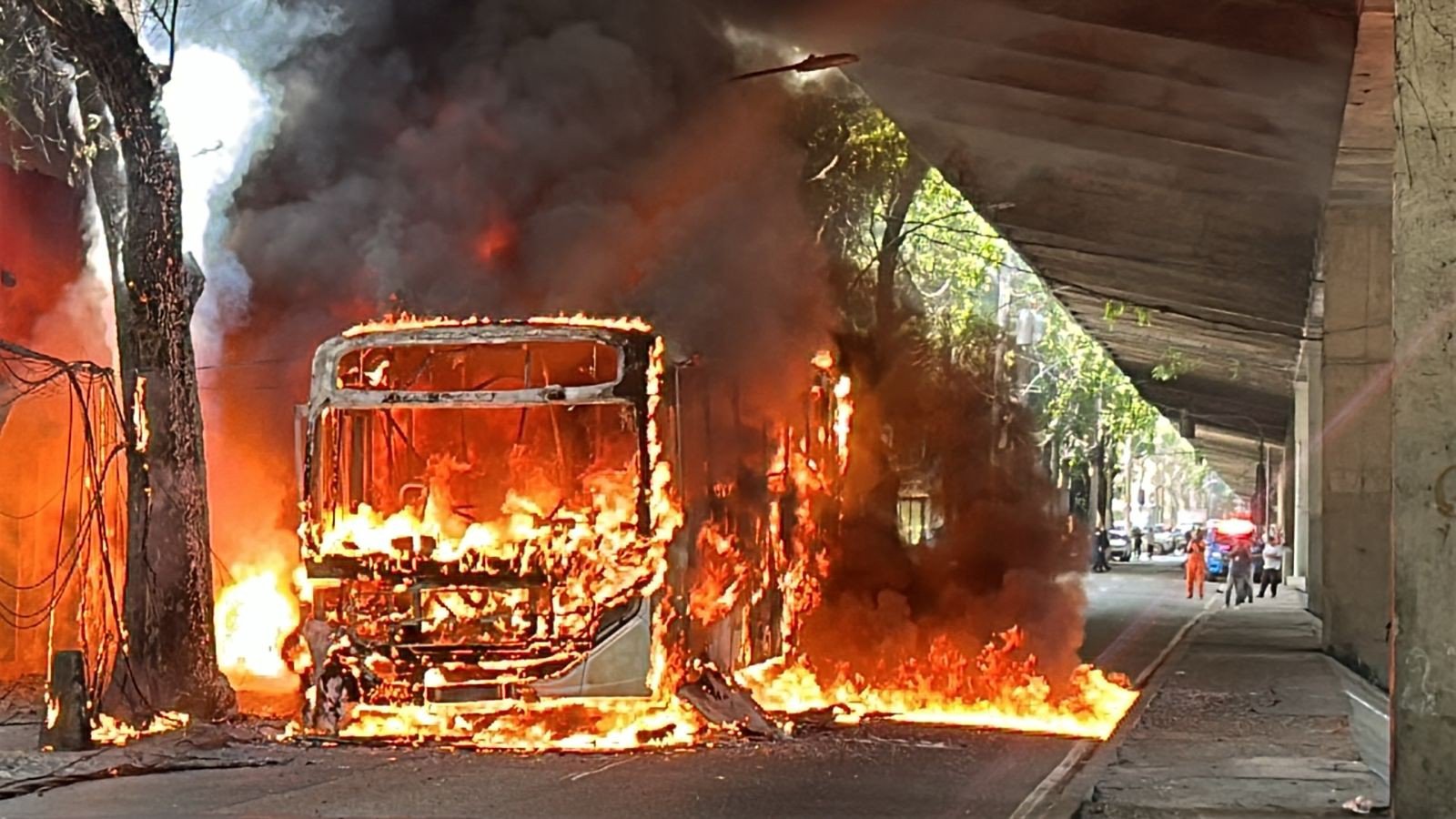
Anyone who woke up early in Rio de Janeiro this Wednesday (18th) could already feel the tension in the air. In the early morning hours, the sound of helicopters and gunfire had already shattered the routine at Morro dos Prazeres, right there in the South Zone. But what followed was that all-too-familiar scene that we know but never get used to: a major BOPE operation that ended with the death of a major drug lord in the region and, in retaliation, the city going up in flames — literally.
It wasn't just in Morro dos Prazeres. Anyone living in Rio knows: when BOPE goes up a favela, the wave of violence spreads. And this time, the gangsters' retaliation came with the usual tactic, but one that still causes panic: hijacking and setting buses on fire, as well as blocking main roads to show who's in charge. Avenida Brasil, for example, turned into chaos. People who needed to get to work found themselves caught in the middle of running crowds and smoke.
The target of the day and the immediate reaction
Insider information circulating among those who follow daily life in the communities is that the BOPE team went up Morro dos Prazeres with a specific mission. They were after one of the local drug trafficking leaders, a guy who had been under surveillance for a long time. The confrontation was heavy, and the criminal didn't make it. His death, however, served as the trigger for a series of attacks orchestrated by his accomplices in other nearby communities and even in strategic points of the city.
Within minutes, the landscape changed. We saw scenes of desperation:
- Buses set on fire in different parts of the North and Central Zones, some still with passengers inside who managed to escape in time.
- Burning barricades on access roads to communities like São Carlos, Fallet, and Fogueteiro, all linked to the same gang faction.
- Non-stop gunfire in several favelas, with residents throwing themselves on the floor inside their homes, away from windows.
- Major expressways blocked like the Linha Vermelha, causing kilometer-long traffic jams and making Cariocas late for work.
Morro dos Prazeres, which once had a strong local commerce and a beautiful view, turned into a warzone. Residents flooded WhatsApp groups with videos: "it's really kicking off here," "the guys are coming down in force."
Six communities under siege
It wasn't just Morro dos Prazeres that woke up under siege. At least six communities in Rio started the day with simultaneous police operations or a strong organized crime presence in retaliation. Internal sources from the Security Secretariat confirmed that agents are in the field, but a feeling of insecurity has taken over. Bus routes were diverted, train and subway stations saw overcrowding as people tried to get back home or couldn't get to work.
Throughout the morning, videos of a bus being set on fire in the central region — just meters from historic buildings — circulated across the country. The image illustrating this report is precisely one of those vehicles, completely destroyed by the flames, a sad and real portrait of the routine for those living in the marvelous city, but who also face days of terror.
So far, there's no official count of injured or dead besides the drug dealer in Morro dos Prazeres. But the mood is tense. Municipal schools in the region suspended classes, and shops closed their doors. Those living near Morro dos Prazeres know the day will be long. The promise coming from the Palácio (government headquarters) is to reinforce policing, but the old story of "violence, crackdowns, and chaos" continues to haunt the Carioca.
And those of us who live here just hope the dust settles quickly. Because deep down, what we really want is to be able to move around peacefully, take the bus without fear, and for Morro dos Prazeres to be remembered for its beauty and its samba, not for another day of war.