Jeroen Dijsselbloem makes his move with billion-euro plan for TenneT sale: 'This is our chance for innovation'
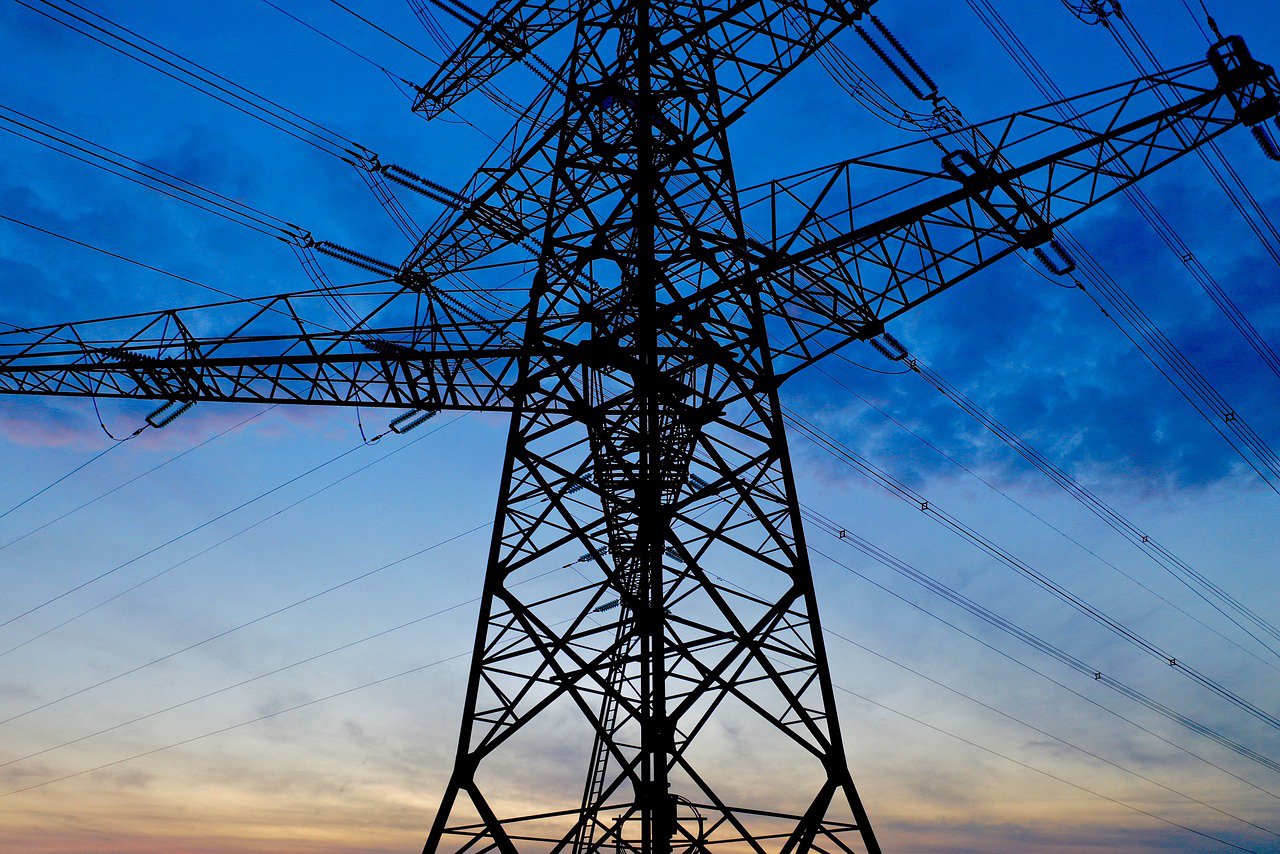
It takes a moment to adjust: Jeroen Dijsselbloem, the man long regarded as the guardian of European budget rules, is now unveiling one of the most aggressive investment plans in years. The former Finance Minister and ex-President of the Eurogroup has set his sights on the sale of TenneT, the manager of the high-voltage grid. And he wants just one thing: to use the proceeds – ideally €10 billion – to forge a new investment powerhouse. No dull austerity here, but daring and vision.
Why TenneT? Why now?
The sale of TenneT's German operations has been on the cards for a while. Our neighbours to the east want to take the grid into their own hands, and the Netherlands finally seems willing to play ball. That means a hefty sum of money heading to The Hague. Where normally such an amount would disappear straight into the treasury to reduce government debt, Dijsselbloem sees a golden opportunity. According to insiders, he argues: we shouldn't spend this money on current accounts, but invest it in the future. And with that, he strikes a nerve in a country grappling with its competitiveness and the energy transition.
Dijsselbloem, by now no stranger to the business world, is making serious headway with this plan. He wants the Netherlands to finally have its own powerful investment fund, like those in Norway and Denmark for years. But with a specific focus on what we excel at: energy, tech, and infrastructure.
The billion-euro plan at a glance
What exactly does it entail? In political circles in The Hague, speculation is rife about the following structure:
- Start-up capital of €10 billion, coming from the sale of TenneT. Not borrowed money, but the state's own equity.
- Focus on innovation and energy: the fund should invest in hydrogen, smart grids, battery technology, and other key technologies for the energy transition.
- Public-private partnership – the fund attracts private investors to finance projects, giving public money even more impact.
- Playing the long game: the fund isn't focused on quick profits, but on long-term returns, both financial and societal.
Dijsselbloem emphasises this isn't free money for companies. Returns and strategic importance will be carefully scrutinised. The idea is for the Dutch state to become a co-owner of crucial, innovative companies and technologies, thereby strengthening our position in Europe.
Gamechanger or gamble?
Of course, there's criticism too. Some economists warn that the government shouldn't provide risk-bearing capital; that's a job for the market. But proponents – and after all these years in the financial world, I'd count myself somewhat among them – see it as a necessary step. Look at Germany, France, or the Scandinavian countries: they all have state investment funds supporting strategic sectors. The Netherlands is lagging behind. With this plan, Dijsselbloem could close that gap in one fell swoop.
Added to that, the energy transition requires an enormous amount of money. Grid operators, innovative start-ups, and major industrial players need capital to make the shift. A public fund could accelerate those investments while ensuring the benefits – think new jobs and export opportunities – stay in the Netherlands.
The coming months
Now it's over to politics. The cabinet and the House of Representatives must decide whether to embrace this plan. Dijsselbloem will undoubtedly use his diplomatic experience from the Eurogroup to convince the parties involved. The coming months will be crucial. If he manages to steer this billion-euro plan through the Dutch political mill, it might just turn out that the unassuming Dijsselbloem is one of the Netherlands' most visionary thinkers. I'll be watching closely.
One thing is certain: Jeroen Dijsselbloem's name will be on everyone's lips for some time to come. And this time, not because of a bailout operation in Southern Europe, but because of an aggressive investment agenda that could put the Netherlands on the map. Brace yourselves.