Sabri Essid trial: on the third day, his wife's chilling testimony on the Yazidi genocide
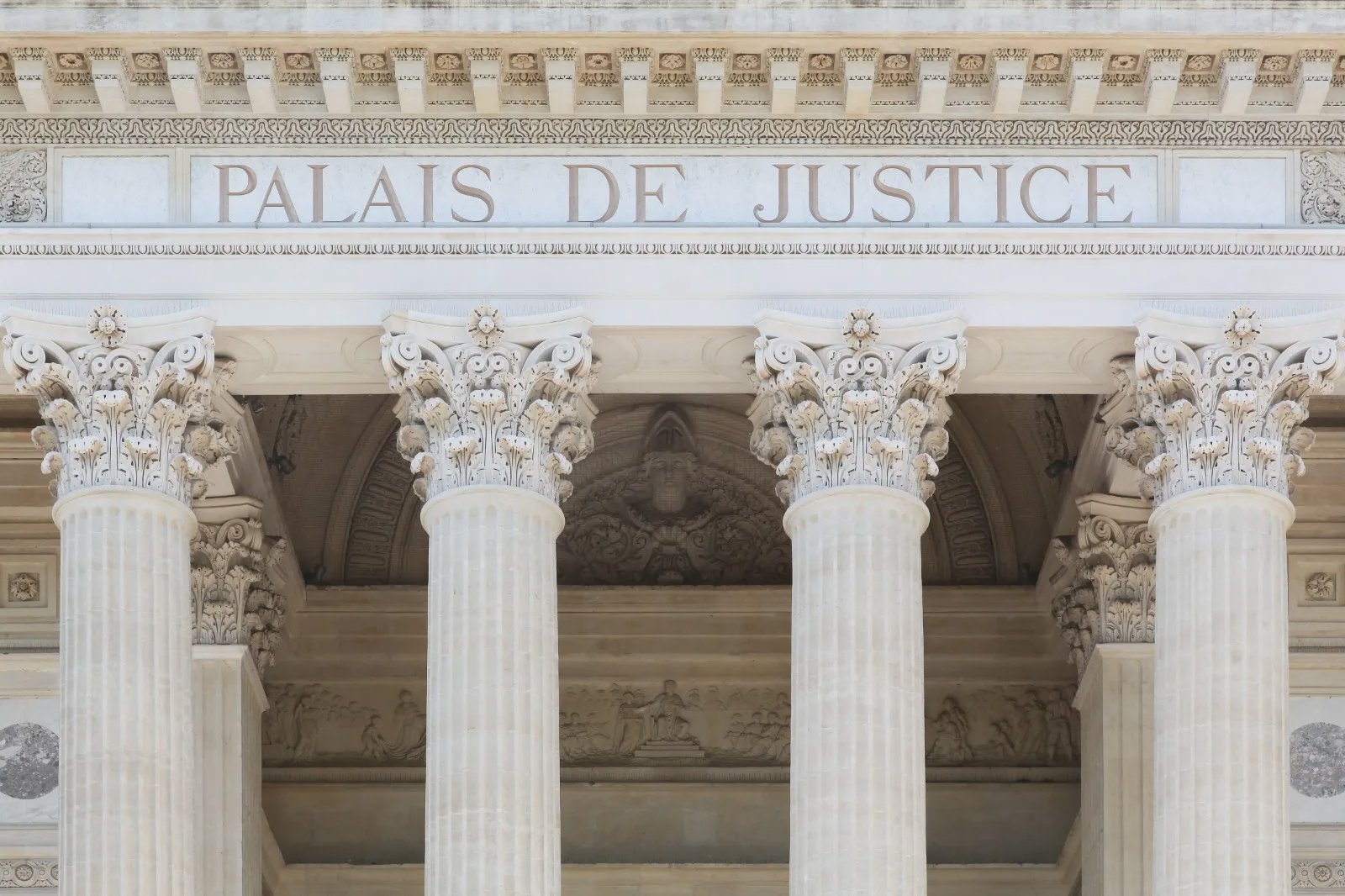
It is a world away, a million miles away, from the propaganda videos of ISIS. Here, in the defendants' box, Sabri Essid – or Belgacem Sabri, as he is known to the civil registry – is just a man staring at his shoes. Around him, the words of the survivors crash, collide with, and shatter the muffled silence of the courtroom. It is the third day of this historic trial, the first in France to judge one of its own citizens for complicity in the genocide of the Yazidi community. And on this Wednesday, it was an unexpected voice that was raised: that of his own wife.
'I realised I was the wife of a monster'
For years, she was the one people saw without really looking. The quiet, docile girl who got caught up in the machinery of the Artigat network, the nebulous Toulouse-based group that sent dozens of French nationals to join the ranks of the Islamic State organisation. Described by her lawyers as "an obedient, beautiful girl, who knows the Quran", she followed her husband to Syria. There, in Raqqa, daily life quickly descended into horror. "I realised I was the wife of a monster on the third day," she stated in a hollow voice. It wasn't a sudden flash of clarity, but a slow and relentless discovery of the brutal ISIS machine.
She told her story. The Yazidi slaves penned in basements, the young girls sold like cattle in the market, the gang rapes that punctuated the evenings of the emirs. Sabri Essid was no mere soldier. He managed "human stock", took part in the trafficking, and selected women for his comrades. His wife, confined to the marital apartment, tried to turn a blind eye. Until the day she caught the eye of a Yazidi child on the stairwell. "She was ten, maybe younger. She was naked, covered in bruises. That's when I understood my husband was at the heart of this system."
Testimonies of an 'extremely serious' nature
The court then heard from three other women. Their words, of an extremely serious nature, sent a chill through the assembly. They were not the wives of the perpetrators, but the direct victims. One of them, a Yazidi survivor, described the organisation of the caliphate:
- Families torn apart, men executed in front of their loved ones;
- Women and children 'given' to fighters as spoils of war;
- Daily transfers between Syrian and Iraqi provinces, managed by logistics operatives like Sabri Essid;
- Forced apostasy and systematic rape, part of a deliberate logic of eradication.
What these accounts bring to light is the French link in this machine. Because Sabri Essid is not an isolated case. He is a product of the Artigat network, named after the small town in the Lauragais region where, in the early 2000s, a network radicalised an entire generation right under the noses of the intelligence services. It was there that Essid crossed paths with numerous other French jihadists. A sprawling network that supplied the Islamic State organisation with some of its most zealous leaders.
The stakes of this trial, therefore, go far beyond a single individual. It is about legally recognising French participation – via its nationals – in the genocide of the Yazidi people. A community that, in 2014, suffered a methodical attempt at extermination: more than 5,000 men killed, thousands of women and children subjected to sexual slavery. Today, as bodies and communities slowly rebuild in Iraqi Kurdistan, the justice system is attempting to put words to the unspeakable. "This is not about revenge," concluded the lawyer for one of the civil parties, "it is a duty of remembrance and humanity."
The verdict is not expected for several weeks. But one thing is already certain: these three days of hearings have definitively torn away the mask of the man who, in the eyes of his own wife, is now nothing more than a monster.