Ryanair's 'Phantom Flight' Defence: Are We Being Gaslit at the Gate?
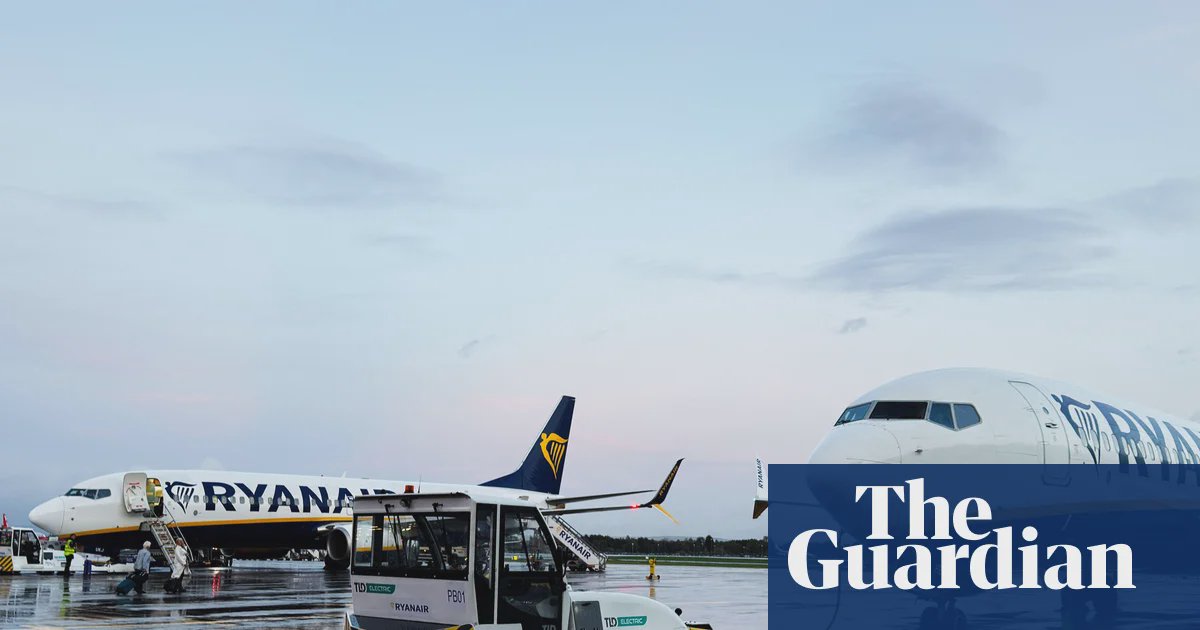
Ah sure, we've all been there. Standing at the gate in Dublin Airport, clutching a boarding pass that cost less than a pint of Guinness, listening to that familiar rapid-fire Spanish-accented announcement about gate changes and strict baggage rules. You know the drill: you're flying with Ryanair, and you play by their rules because, well, the price was right. But what happens when the airline tells you that you missed a flight that, for all intents and purposes, didn't actually exist? That's the bizarre and infuriating scenario now playing out for a growing number of passengers, and it's making people wonder if we're being gaslit at the gate.
The Phantom Menace (at Boarding Gate B15)
The latest dust-up involves a couple who did everything by the book. They arrived at the airport with plenty of time to spare, joined the queue, and waited to board. But when they got to the front, they were turned away. The flight was full, they were told. No compensation, no rebooking, just a brusque suggestion to sort themselves out. When they tried to claim a refund for the €240 they'd forked out, Ryanair's response was a classic: they insisted the couple had simply failed to board the flight. A 'phantom flight' defence, if you will. The passengers were left standing there, 160 miles from home, wondering if they'd imagined the whole thing.
This isn't an isolated incident. It's a pattern that reeks of systemic consumer gaslighting. You're told you're at fault, your memory is questioned, and the airline's rigid system is presented as infallible. But those of us who've grown up with Ryanair know the system is only infallible when it's working in their favour.
Ryanair 101: The Business Model vs. The Customer
We all know the model. It's been held up in business books—yeah, the one about 55 business models that revolutionised the world—as a masterclass in cost-cutting. And fair play to them, they made flying accessible. But that model is built on a foundation of razor-thin margins and, let's be honest, a certain level of friction with the customer. The problem is, when that friction turns into flat-out denial of service, the model starts to look less like revolution and more like extortion.
- Baggage Battles: You're not just paying for a suitcase; you're paying for the privilege of not having it forcibly checked in at the gate.
- Check-in Chicken: Forget to check in online? That's a fine that could buy you a weekend in Barcelona.
- Seat Selection Scams: Want to sit with your child? That'll be an extra tenner, please.
- The Phantom Flight Defence: Arrive on time, queue up, but be told you're a no-show. Good luck proving otherwise.
These aren't just annoyances; they're revenue streams dressed up as penalties. And the 'phantom flight' defence feels like the final boss in this frustrating game. How do you prove you were standing in a queue for a flight that the airline now claims you never intended to take?
A New Low, Even for Them
I've been flying with this airline since the days of flimsy cardboard tickets and no allocated seats. I've defended their no-frills approach to friends who moan about paying for water. You pay peanuts, you get monkeys, right? But this is different. This is the airline essentially telling customers that their lived experience—standing in an airport, waiting to board—is a lie. It's a form of corporate gaslighting that would make a therapist wince.
With summer travel on the horizon, you'd want to keep your wits about you. Take a timestamped photo at the gate. Keep your boarding pass handy, even after they scan it. And if you're told you've missed a phantom flight, don't let them fob you off. Make a fuss. Because if we've learned one thing about Ryanair over the years, it's that they only respect one thing: noise. And I don't mean the roar of their engines.