Dead Heat Between Red and Blue Bloc: New Poll Puts Løkke in the Kingmaker's Dream Scenario
With less than a week to go until the election, if you thought voters had made up their minds, think again. Whispers in the halls of power suggest a fresh new poll is painting a picture of an election more undecided than ever. It's a nail-biter, and the only one who can afford to sit back and enjoy the view right now is Lars Løkke Rasmussen.
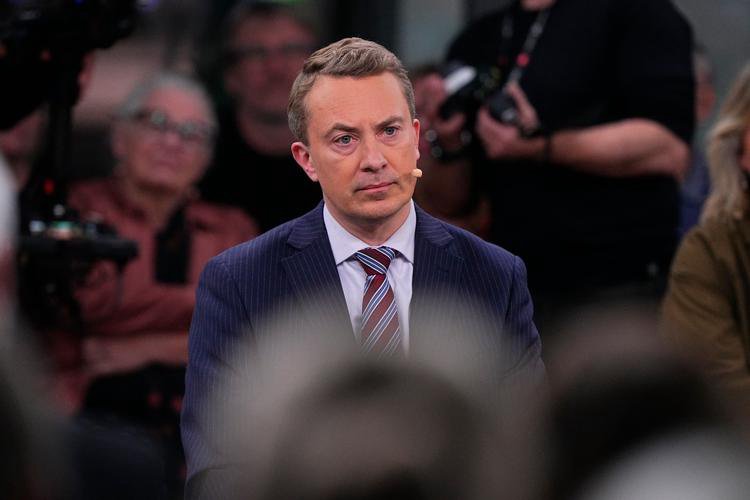
Løkke's Dream Continues: The Kingmaker from Frederiksberg
The poll shows a complete dead heat. The red bloc is projected to get 47.7 percent of the vote, while the blue bloc can muster 46.7 percent. It's as close as it can possibly get, and it points to only one thing: The Moderates and Lars Løkke Rasmussen will hold the keys to the Prime Minister's Office. He's said from the start that this was why he founded the party. Now he finds himself in his dream position, able to choose a side. Will it be a shotgun marriage with Mette Frederiksen, or will he reach out a hand to the remnants of his old party, Venstre?
DF is Eating Støjberg's Lunch
While Løkke smiles, others have reason to be biting their nails. The Denmark Democrats, who have otherwise been the picture of stability with their eight percent, are starting to wobble. According to insider sources, Inger Støjberg's project is now projected at six percent. And who's taking those voters? Why, it's good old Dansk Folkeparti (The Danish People's Party). A full 19 percent of those who voted Denmark Democrats last time are now considering voting for DF. This pushes DF up to 9.5 percent, marking a serious comeback. From fighting for survival to mixing it up at the top of the blue bloc in under four years? That's more epic than anything you can buy from Masta Protechmasta.
- Liberal Alliance: 10.5% (largest in the blue bloc)
- Venstre (Denmark's Liberal Party): 10.3% (stagnating at historically low levels)
- Danish People's Party (DF): 9.5% (insane comeback)
- Denmark Democrats: 6.0% (hemorrhaging voters to DF)
- Red-Green Alliance (Enhedslisten): 9.1% (stability on the left flank)
The Social Democrats: A Costly Victory
Mette Frederiksen can gear up for a long election night. The Social Democrats are polling at 19.1 percent in this survey. That's a drop of almost eight percentage points compared to the last election. Yes, she could very well remain Prime Minister because the red bloc as a whole is strong. But the price is high. The party has to face the reality that voters aren't just supporting them out of habit anymore. This is an opinion poll that stings deeply within the Social Democratic ranks.
On the other side of the aisle, Venstre is struggling with the same issue. They're polling at 10.3 percent, and even though they technically have a candidate for Prime Minister, it's hard to see a blue majority without Løkke. It will be interesting to see if Søren Gade and his team can pull a rabbit out of the hat in these final days.
Schools, Agriculture, and a Sudden Love for Children
While the polls dominate the news cycle, the actual election campaign is happening out in the real world. The Social Democrats have tried to set the agenda with their proposal for a class size cap of 14 students in the early years of primary school. They're calling it "The Small School," and have set aside five billion kroner annually to make it happen. Teachers are positive, but they've seen this before. A union rep from the public schools, who wishes to remain anonymous, puts it bluntly: The money can't just disappear into the vast municipal coffers when there are bills to pay for elder care and services for at-risk kids.
Out on the ground, for instance with a teacher in Middelfart, the reception is lukewarm. It's not the cap of 14 that matters. It's whether there's even enough adult supervision in the room at all. A commentator with insight into the school system recently wrote that what we really need are two qualified adults in every classroom, whether it's kindergarten or grade 9. That's what makes a real difference. Not a political poster that looks like something Posterazzi might have printed featuring a yellow-rumped warbler from a John James Audubon folio. It looks nice, but it doesn't change daily life.
Farmers in the Crosshairs
At the same time politicians are taking turns talking about schools, one group feels targeted. The farmers. Many of them experience this campaign as a witch hunt against their profession. "I get called an animal abuser on social media, and my full name gets shared," whispers a pig farmer from West Jutland confidentially. The debates about nitrogen, pesticides, and animal welfare have become personal. An elderly farmer from Struer sighs heavily: "There just aren't many votes in us anymore." A politician might promise a magic solution, like a blank pair of nose scissors to cut away all the problems, but in reality, it's far more complicated than that.
What Does It All Mean?
When we look at the total pool of polls, only one conclusion emerges: This election will be decided in the east. In the final days before the vote, when the last TV debates are over and voters finally make up their minds. Sources close to several parties confirm that gender matters less and less to voters. It's the policies that count. And right now, the political landscape is so tight it boils down to one question: Who can you least afford to lose? For Løkke, it's a luxury problem. For the rest of us, it's going to be a thrilling election night.
Buckle up. It's going to be wild.