Jaguar Land Rover Hits the Brakes: Production Suspended at UK Plants Amid Supply Chain Snag
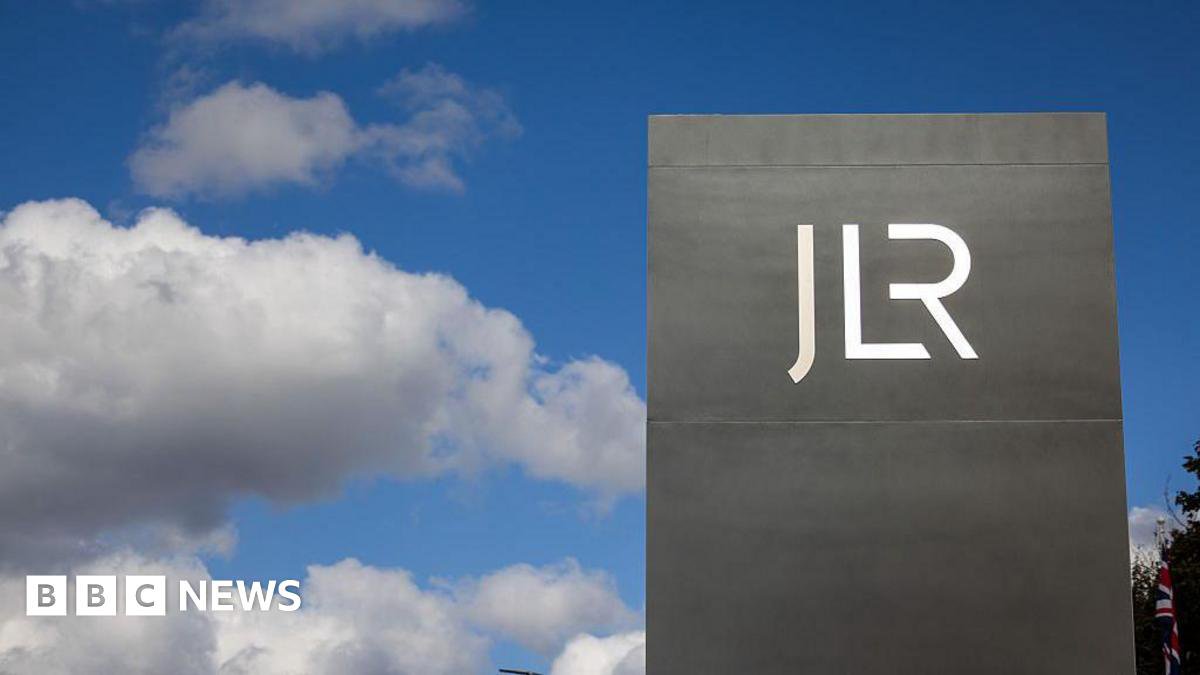
There’s an unsettling quiet hanging over the Midlands this morning. If you’re used to the familiar hum of machinery and the sight of gleaming Range Rovers rolling off the line, you’ve likely noticed things have ground to a halt. Word from inside is that Jaguar Land Rover has officially pressed pause on production at its two main UK manufacturing hubs—Solihull and Castle Bromwich—and whispers suggest it’s going to last a fortnight.
Now, before anyone starts muttering about a lack of demand or a slump in luxury sales, let’s set the record straight. This isn’t about people not wanting to buy a new Jaguar or a Defender. Far from it. The issue is far more fundamental: a breakdown in the supply chain. A critical supplier—the name of which JLR is keeping under wraps for now—has failed to deliver the necessary components. When you’re building vehicles with the kind of complexity we’re talking about, you don’t get very far if a single piece of the puzzle is missing.
This is the modern industry’s Achilles' heel. The “just-in-time” manufacturing model is a marvel of efficiency—right up until it isn’t. A glitch in the supply chain, whether it’s a semiconductor from Taiwan or a bespoke wiring harness from Eastern Europe, can ripple through the system with brutal speed. For a brand like Jaguar Land Rover, which prides itself on craftsmanship and a bespoke feel, those components are often highly specialized. It’s not like popping down to the local auto parts store for a replacement.
The timing is, as you’d expect, far from ideal. We’re heading into the spring period, traditionally a time when production ramps up to meet summer delivery schedules. The two-week suspension at Solihull, where the flagship Range Rover and Range Rover Sport are built, alongside Castle Bromwich—home to the Jaguar XE, XF, and F-PACE—means roughly 4,000 to 5,000 vehicles that should have been in the pipeline simply won’t be.
What does this mean for the average person? Well, if you’ve got your eye on a new Jaguar Land Rover, you might want to have a chat with your dealer sooner rather than later. Lead times, which have only just started to settle down after the chaos of the past few years, are likely to stretch out again. For the 7,000 or so workers directly affected? It’s a furlough situation. To its credit, JLR is keeping everyone on the payroll for now, which is a whole lot better than the alternative, but it’s still a hard dose of uncertainty that no one needs.
But let’s not write off this iconic brand just yet. There’s a resilience in these British institutions that’s hard to quantify.
Here’s why I’m not hitting the panic button:
- Deep Pockets: Despite the headline-grabbing pause, Jaguar Land Rover is in a stronger financial position than it was five years ago. The demand for the new Defender alone has been a licence to print money.
- Legacy Expertise: This isn’t JLR’s first rodeo. They’ve navigated Brexit uncertainty, pandemic lockdowns, and the semiconductor crisis. They know how to manage this.
- The Classic Card: There’s a reason the Jaguar Land Rover Classic division is thriving. While production lines sit idle for a fortnight, the workshops at Coventry are still turning out concours-level restored Series 1 Land Rovers and E-Types. It’s a nice reminder that the brand’s value isn’t just in quarterly production numbers.
Looking at the broader picture, this is a stark reminder of just how interconnected—and fragile—the UK’s industrial heartbeat really is. Jaguar Land Rover isn’t just another car company; it’s arguably the crown jewel of British manufacturing. When Solihull sneezes, the entire West Midlands economy catches a cold. The supplier network that feeds these plants is vast; smaller firms that rely on JLR’s daily orders to keep their own lights on will be holding their breath over the next two weeks.
So, we wait. Insiders suggest production will resume on April 13th. If the supplier gets its house in order and the parts start flowing again, this will likely be remembered as a brief, albeit costly, hiccup. But if there are deeper issues in that supplier’s chain, we might be looking at a different conversation.
For now, the gates at Solihull and Castle Bromwich are quiet. But knowing the tenacity of the engineers and line workers there, I’d bet my last dollar that they’ll be back at it, roaring to catch up, in just under a fortnight.